Source: Fox News
Summary
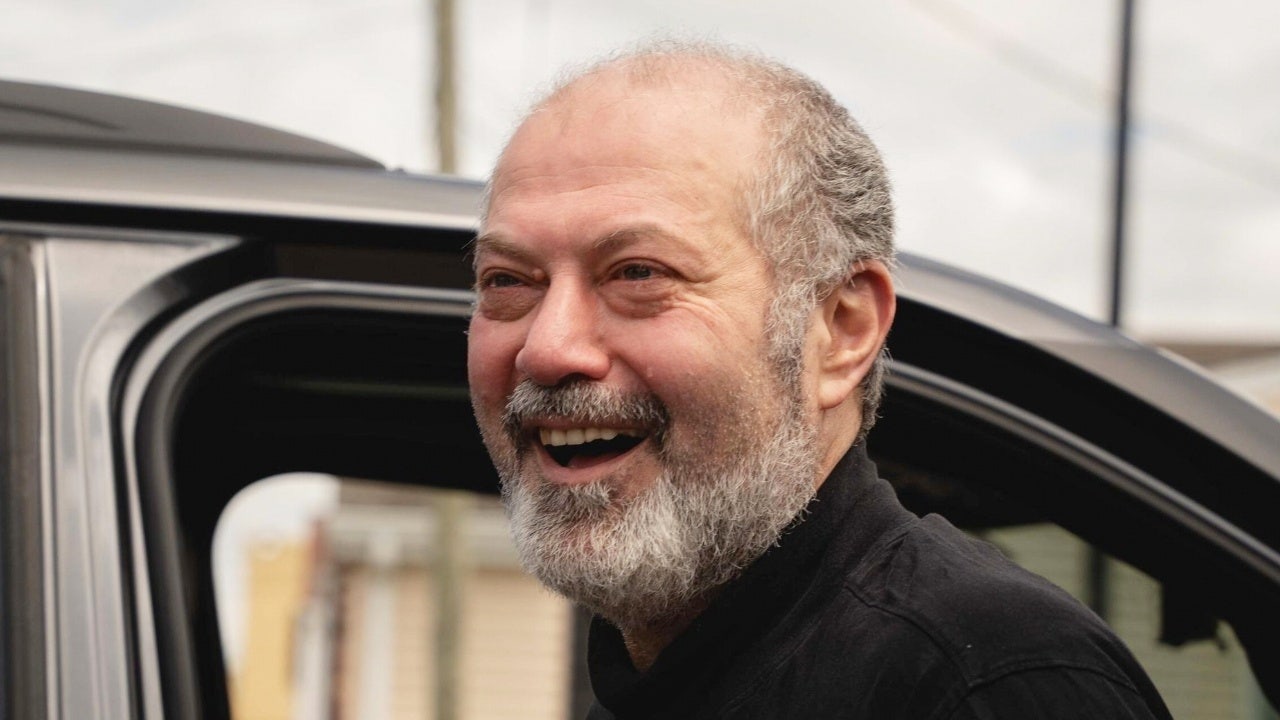
An immigration judge ruled that federal authorities can deport Salah Sarsour, the president of the Islamic Society of Milwaukee, on national security grounds. Secretary of State Marco Rubio invoked federal immigration law in 2025 to argue that Sarsour’s presence could have adverse foreign policy consequences. Government lawyers cited his past convictions in Israel, including for throwing rocks and attempting to procure weapons. Sarsour’s lawyer denied a claim of Molotov cocktail involvement, stating he was never convicted. Sarsour, a lawful permanent resident for over 30 years, is accused of supporting a terrorist organization. His lawyers argue he is being targeted for his political views and advocacy on the Israel-Gaza conflict.
Our Reading
As expected, the matter has reached another stage.
Sarsour is a long-time resident with no U.S. arrests.
His past in Israel is used to justify his removal.
Free speech is framed as a threat to national security.
Deportation is a routine response to political disagreement.
Author: Evan Null
Immigration Judge Rules on Deportation
The immigration judge ruled that federal authorities can deport Salah Sarsour, the president of the Islamic Society of Milwaukee. The decision was based on national security grounds. Sarsour has been a lawful permanent resident for over 30 years. His case has drawn attention due to his advocacy on the Israel-Gaza conflict.
Marco Rubio’s Role in the Case
Sector of State Marco Rubio invoked federal immigration law in June 2025 to determine Sarsour’s deportation. The government argued that his presence could have adverse foreign policy consequences. Rubio’s decision was based on Sarsour’s past convictions in Israel, including for throwing rocks at Israeli military personnel.
Legal Arguments and Counterclaims
Government lawyers claimed Sarsour had been convicted of throwing a Molotov cocktail at IDF personnel, but his lawyer denied this, stating he was never convicted. Sarsour’s legal team argues that he is being targeted for his political views and advocacy related to the Israel-Gaza conflict.
Free Speech and National Security
Sarsour’s lawyer argued that labeling him a public safety threat undermines the meaning of those words. He has been a family man and advocate for interfaith dialogue for decades. The Department of Homeland Security claims he has engaged in terrorist activity or supported a terrorist organization.
Future of the Case
Sarsour has pledged to appeal the judge’s ruling. He stated he will continue fighting to defend the right to free speech and to stay in the country he has called home for over three decades. The case highlights the tension between national security and free speech in immigration decisions.