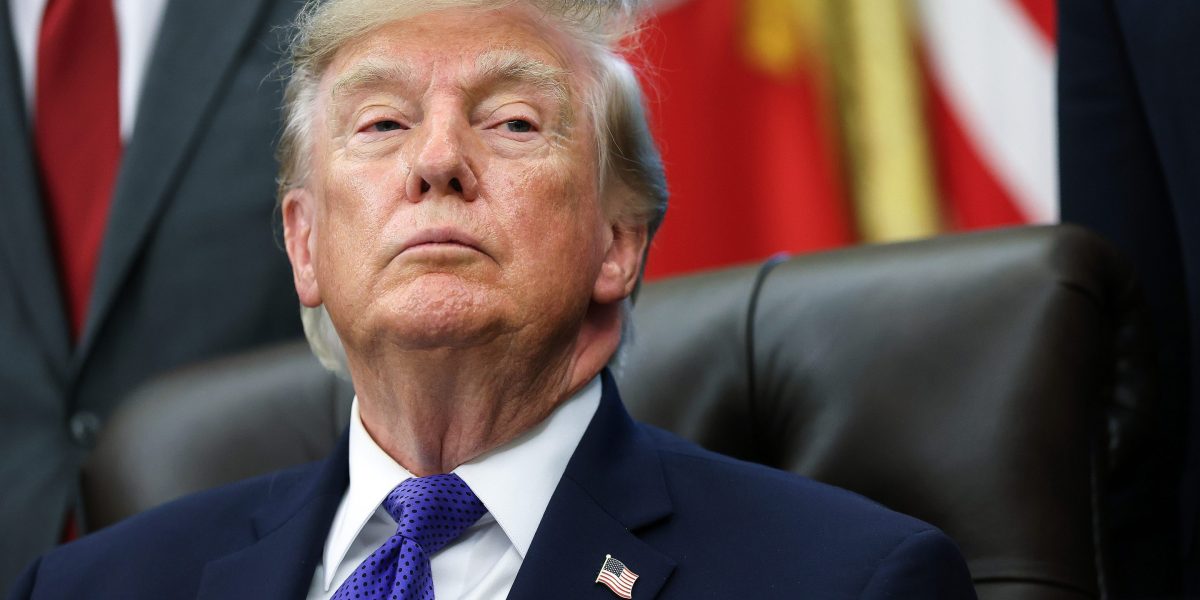
Source: Bloomberg News
Summary
OpenAI terminated three safety researchers following an internal investigation that found they mishandled sensitive company data, according to a report. The researchers were reportedly involved in handling confidential information related to AI safety. OpenAI did not provide further details about the investigation or the specific nature of the data. The move comes amid ongoing scrutiny of AI companies’ internal practices and data security measures.
Our Reading
The launch follows a familiar script.
Three researchers let slip some data.
OpenAI says it’s all about safety.
But the real issue is control.
Another “trust issue” that’s really about power.
Author: Evan Null
OpenAI’s Latest Power Play
OpenAI has fired three researchers for mishandling sensitive data, according to Bloomberg. The company claims it’s protecting its intellectual property and ensuring the safety of its systems. But the move has raised questions about how OpenAI handles internal dissent and transparency.
The researchers were reportedly involved in AI safety work, a field that has grown increasingly important as AI models become more complex. OpenAI has long positioned itself as a leader in responsible AI development, but this incident highlights the tension between innovation and oversight.
The internal investigation was reportedly initiated after concerns were raised about how the researchers handled confidential information. OpenAI did not comment on the specifics, but the decision to terminate the researchers suggests a strong stance on data security.
Many in the AI community have criticized OpenAI for its opaque practices and lack of transparency. This incident adds to the growing list of controversies surrounding the company, including its handling of AI ethics and the potential risks of its models.
While OpenAI claims to be committed to safety, the firing of these researchers may be seen as an attempt to silence critics rather than address real concerns. The incident underscores the challenges of balancing innovation with accountability in the AI industry.
Another Day, Another “Safety” Move
OpenAI’s decision to fire three researchers for mishandling data is not surprising. The company has a history of taking strong actions when it comes to internal control and data security. This move is likely intended to send a message to employees about the importance of following protocols.
However, the timing of the announcement raises questions. With increasing scrutiny on AI companies, OpenAI may be trying to manage its public image by taking decisive action. The company has faced criticism for its lack of transparency, and this incident could be part of a broader strategy to appear more responsible.
While OpenAI claims to be focused on safety, the real issue may be about maintaining control over its operations. The company has been under pressure to address concerns about the risks of its AI models, and this move could be an attempt to show that it’s taking those concerns seriously.
The firing of the researchers also highlights the challenges of working in the AI field. Employees often have access to sensitive information, and the pressure to maintain security can lead to strict policies. OpenAI’s decision may be seen as an example of how companies handle internal issues when they don’t want to be seen as vulnerable.
As the AI industry continues to grow, companies like OpenAI will face increasing pressure to balance innovation with accountability. This incident is just one example of how that balance is being tested in real time.
When “Safety” Is Just a Cover
OpenAI’s latest move to fire three researchers for mishandling data is another example of how companies in the AI space use “safety” as a justification for controlling their workforce. The company claims it’s protecting its intellectual property, but the real motive may be to maintain a tight grip on its operations.
The researchers were reportedly involved in AI safety work, a field that has become increasingly important as AI models grow more powerful. But OpenAI’s decision to terminate them suggests that the company is more concerned with internal control than with genuine safety efforts.
Many in the AI community have long criticized OpenAI for its lack of transparency and its tendency to act unilaterally. This incident is likely to fuel those criticisms, as it appears to be another example of the company prioritizing control over collaboration.
While OpenAI has positioned itself as a leader in responsible AI development, this move may be seen as an attempt to silence dissent rather than address real concerns. The company’s actions suggest that it is more interested in maintaining its image than in fostering open dialogue about the risks of AI.
As the AI industry continues to evolve, companies like OpenAI will need to find a better balance between innovation and accountability. This incident is a reminder that the path to responsible AI is not always clear, and that companies must be more transparent in their actions.
OpenAI’s “Safety” Narrative Under Scrutiny
OpenAI has long promoted itself as a leader in AI safety, but recent events have cast doubt on that claim. The firing of three researchers for mishandling data is another example of how the company handles internal issues when it doesn’t want to be seen as vulnerable.
The incident has sparked debate about the company’s internal practices and its commitment to transparency. Many in the AI community have called for more openness, especially given the potential risks of advanced AI models. OpenAI’s decision to terminate the researchers without providing details has only added to the skepticism.
While the company claims it’s protecting sensitive information, the move may be more about maintaining control than about genuine safety concerns. OpenAI has faced increasing pressure to address the risks of its AI models, and this incident could be part of a broader strategy to appear more responsible.
As the AI industry continues to grow, companies like OpenAI will need to find a better balance between innovation and accountability. This incident is a reminder that the path to responsible AI is not always clear, and that companies must be more transparent in their actions.
For now, OpenAI’s latest move is just another example of how the company handles internal issues when it doesn’t want to be seen as vulnerable. The real question is whether this will lead to meaningful change or just more of the same.