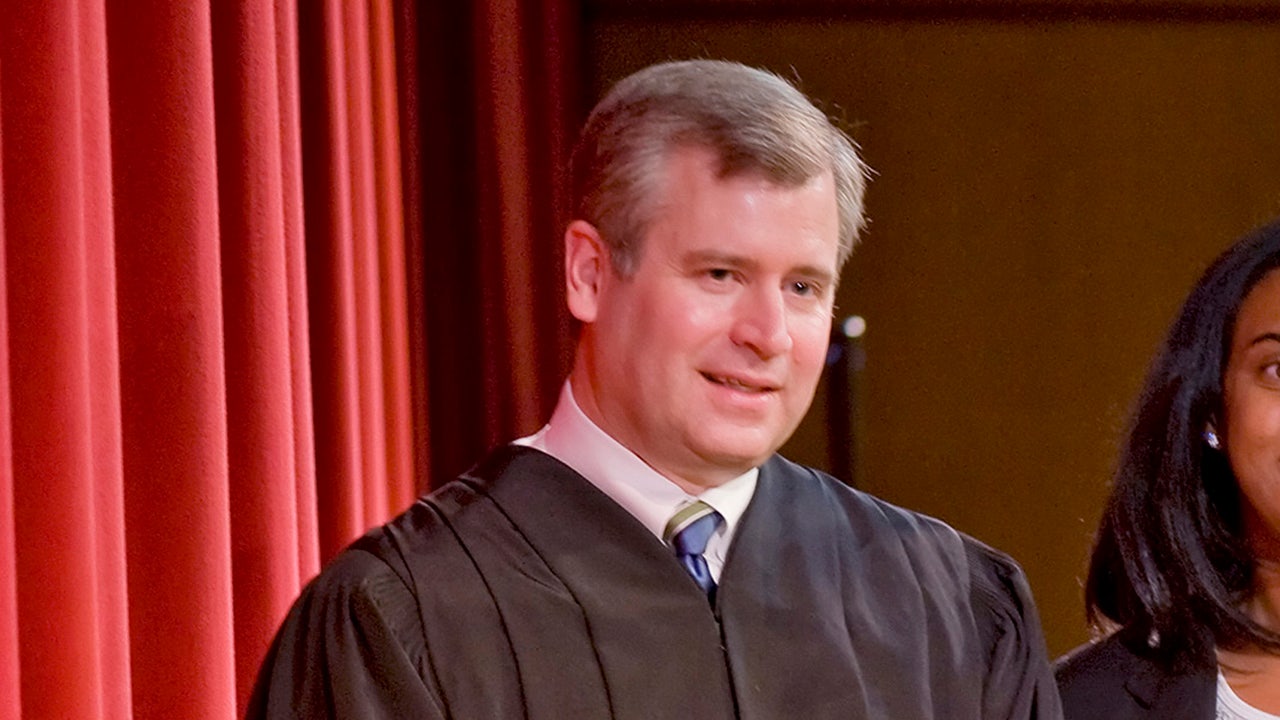
Source: FOX News
Summary
The Justice Department filed a judicial misconduct complaint against seven Minnesota federal judges for publicly criticizing President Donald Trump’s immigration policies in a 2026 New York Times interview. The complaint argued that the judges violated ethical standards by commenting on ongoing cases, undermining public confidence in their impartiality. Attorney General Todd Blanche accused the judges of improperly discussing cases while they were still pending. The complaint specifically named Judge Patrick Schiltz and Judge John Tunheim, asking the Eighth Circuit to investigate and order their recusal from Department of Homeland Security immigration cases. The judiciary’s misconduct process is handled internally, and the Justice Department cannot force judges to step down.
Our Reading
As expected, the matter has reached another stage.
Judges spoke to the press about active cases.
The Justice Department called it a violation of ethics.
Judges named in the complaint included both Bush and Clinton appointees.
The process feels like a routine battle over judicial independence.
Author: Evan Null
Minnesota Judges and the Trump Immigration Cases
The Justice Department accused seven Minnesota federal judges of violating ethical standards by speaking publicly about ongoing immigration cases. The judges were involved in a New York Times interview from September 2026, where they discussed the impact of Trump’s immigration policies. The interview included comments about the administration’s enforcement actions, which the Justice Department argued compromised judicial impartiality.
Attorney General Todd Blanche filed the complaint with the Eighth Circuit Court of Appeals, seeking the recusal of judges Patrick Schiltz and John Tunheim from Department of Homeland Security cases. The complaint claimed their public remarks created an appearance of bias, violating the Code of Conduct for United States Judges. The judges involved were appointed by both Republican and Democratic presidents, highlighting the political divide in the issue.
The judicial misconduct process is handled internally by the federal judiciary. The complaint must be reviewed by the Eighth Circuit’s chief judge, who decides whether to refer it to a special committee. The process does not allow the Justice Department to force judges to step down from cases. This has led to concerns about the independence of the judiciary and the potential for political interference.
Chad Mizelle of the America First Policy Institute compared the situation to past cases where judges were removed for similar conduct, such as Judge Thomas Penfield Jackson in the Microsoft case. He argued that the current situation shows a lack of adherence to ethical standards. Meanwhile, Minnesota Attorney General Keith Ellison criticized the complaint as politically motivated, suggesting it was an attempt to intimidate judges who ruled against the Trump administration.
The case has drawn attention to the tension between judicial independence and public accountability. The judges’ comments on immigration enforcement, while controversial, reflect broader concerns about the impact of executive actions on the courts. The outcome of the complaint will likely shape the future of judicial conduct in politically charged cases.
Judicial Ethics and Public Commentary
The Justice Department’s complaint against the Minnesota judges centers on their public comments about ongoing immigration cases. The judges were interviewed in a New York Times article from September 2026, where they discussed the effects of Trump’s immigration policies. The article included remarks about the administration’s enforcement actions, which the Justice Department argued violated ethical standards by creating an appearance of bias.
The complaint specifically named Judge Patrick Schiltz, appointed by George W. Bush, and Judge John Tunheim, a Clinton appointee. Both judges made statements that were cited in the complaint, including Schiltz’s description of the administration’s actions as a threat to the constitutional order. The Justice Department argued that these comments undermined public confidence in the judges’ impartiality.
The judicial misconduct process is designed to address ethical violations within the federal judiciary. However, it is handled internally, and the Justice Department cannot force judges to recuse themselves from cases. This has led to concerns about the balance between judicial independence and accountability, particularly in politically sensitive matters.
Chad Mizelle of the America First Policy Institute drew parallels to past cases where judges were removed for similar conduct, such as Judge Thomas Penfield Jackson in the Microsoft case. He argued that the current situation reflects a growing disregard for ethical standards among judges. Meanwhile, Minnesota Attorney General Keith Ellison accused the Justice Department of using the complaint as a political tool to intimidate judges who ruled against the Trump administration.
The case highlights the challenges of maintaining judicial impartiality while allowing judges to speak publicly about their work. The outcome of the complaint will have implications for how judges navigate the line between public commentary and ethical conduct in politically charged cases.
Political Tensions and Judicial Independence
The Justice Department’s complaint against the Minnesota judges has sparked a debate over judicial independence and political influence. The judges involved were appointed by both Republican and Democratic presidents, reflecting the broader ideological divide in the judiciary. The complaint, filed by Attorney General Todd Blanche, accused the judges of violating ethical standards by commenting on ongoing immigration cases, which the Justice Department argued compromised their impartiality.
The case has drawn attention to the tension between judicial independence and public accountability. The judges’ comments on Trump’s immigration policies, while controversial, were part of a broader discussion about the impact of executive actions on the courts. The Justice Department argued that these comments created an appearance of bias, violating the Code of Conduct for United States Judges. However, critics have suggested that the complaint is politically motivated, aimed at punishing judges who ruled against the administration.
The judicial misconduct process is designed to address ethical violations within the federal judiciary. However, it is handled internally, and the Justice Department cannot force judges to step down from cases. This has led to concerns about the potential for political interference in judicial matters. The case has also raised questions about the role of the press in shaping public perception of the judiciary.
Chad Mizelle of the America First Policy Institute compared the situation to past cases where judges were removed for similar conduct, such as Judge Thomas Penfield Jackson in the Microsoft case. He argued that the current situation shows a lack of adherence to ethical standards. Meanwhile, Minnesota Attorney General Keith Ellison criticized the complaint as an attempt to intimidate judges who ruled against the Trump administration, suggesting that the issue is more political than ethical.
The case highlights the challenges of maintaining judicial independence in the face of political pressure. The outcome of the complaint will likely shape the future of judicial conduct in politically sensitive cases, with implications for the balance between public accountability and judicial autonomy.
Judicial Conduct and Ethical Standards
The Justice Department’s complaint against the Minnesota judges focuses on their public comments about ongoing immigration cases. The judges were interviewed in a New York Times article from September 2026, where they discussed the impact of Trump’s immigration policies. The article included remarks about the administration’s enforcement actions, which the Justice Department argued violated ethical standards by creating an appearance of bias.
The complaint specifically named Judge Patrick Schiltz, appointed by George W. Bush, and Judge John Tunheim, a Clinton appointee. Both judges made statements that were cited in the complaint, including Schiltz’s description of the administration’s actions as a threat to the constitutional order. The Justice Department argued that these comments undermined public confidence in the judges’ impartiality.
The judicial misconduct process is designed to address ethical violations within the federal judiciary. However, it is handled internally, and the Justice Department cannot force judges to recuse themselves from cases. This has led to concerns about the balance between judicial independence and accountability, particularly in politically sensitive matters.
Chad Mizelle of the America First Policy Institute drew parallels to past cases where judges were removed for similar conduct, such as Judge Thomas Penfield Jackson in the Microsoft case. He argued that the current situation reflects a growing disregard for ethical standards among judges. Meanwhile, Minnesota Attorney General Keith Ellison accused the Justice Department of using the complaint as a political tool to intimidate judges who ruled against the Trump administration.
The case highlights the challenges of maintaining judicial impartiality while allowing judges to speak publicly about their work. The outcome of the complaint will have implications for how judges navigate the line between public commentary and ethical conduct in politically charged cases.
Public Perception and Judicial Accountability
The Justice Department’s complaint against the Minnesota judges has raised questions about the role of public commentary in judicial conduct. The judges were involved in a New York Times interview from September 2026, where they discussed the impact of Trump’s immigration policies. The interview included remarks about the administration’s enforcement actions, which the Justice Department argued compromised their impartiality.
The complaint specifically named Judge Patrick Schiltz and Judge John Tunheim, both of whom made statements that were cited in the Justice Department’s filing. The judges’ comments were seen as crossing an ethical line, as they addressed ongoing litigation while the cases were still pending. The Justice Department argued that such public remarks created an appearance of bias, violating the Code of Conduct for United States Judges.
The judicial misconduct process is designed to address ethical violations within the federal judiciary. However, it is handled internally, and the Justice Department cannot force judges to recuse themselves from cases. This has led to concerns about the balance between judicial independence and public accountability, particularly in politically sensitive matters.
Chad Mizelle of the America First Policy Institute compared the situation to past cases where judges were removed for similar conduct, such as Judge Thomas Penfield Jackson in the Microsoft case. He argued that the current situation reflects a growing disregard for ethical standards. Meanwhile, Minnesota Attorney General Keith Ellison criticized the complaint as politically motivated, suggesting it was an attempt to intimidate judges who ruled against the Trump administration.
The case highlights the challenges of maintaining judicial impartiality while allowing judges to engage with the public. The outcome of the complaint will have implications for how judges navigate the line between public commentary and ethical conduct in politically charged cases.