Source: Fortune
Summary
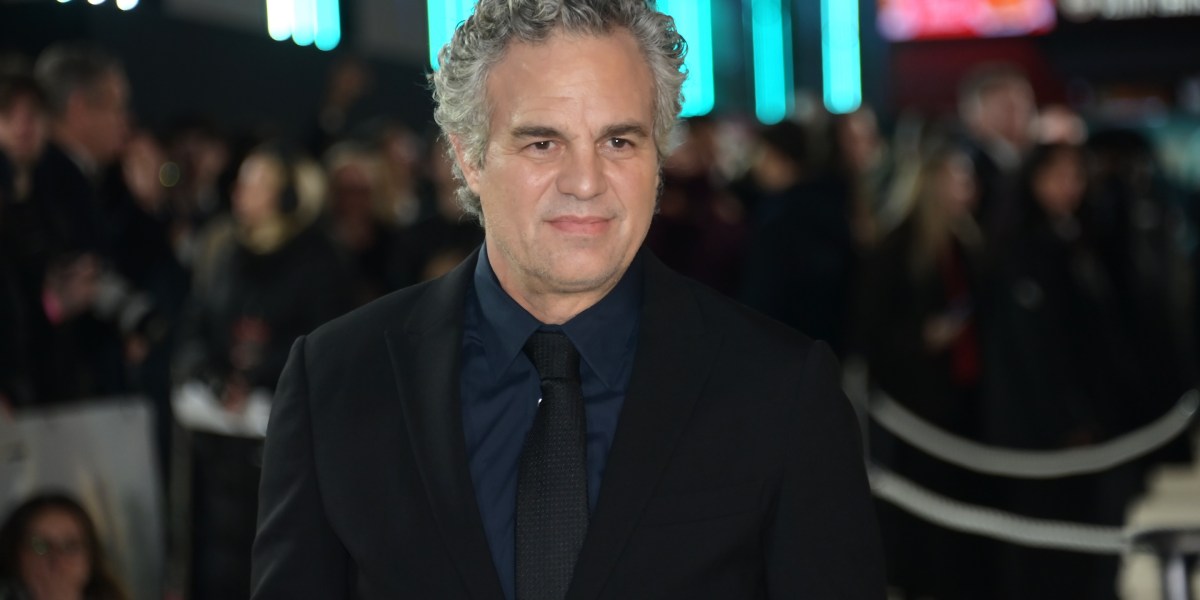
Mark Ruffalo criticized Paramount’s $111 billion merger with Skydance and Warner Bros. Discovery, calling it harmful to creativity and free speech. The deal cleared its final legal hurdle on Sept. 30, after a settlement with 12 state attorneys general. Ruffalo condemned the outcome on X, vowing to continue fighting the merger. The settlement includes requirements for theatrical releases and independent films, as well as a new editorial board. Ruffalo has long opposed the deal, targeting both David and Larry Ellison. The judge approved the settlement, rejecting objections from industry groups.
Our Reading
The numbers tell one story.
Ruffalo vows to keep fighting the merger despite approval.
The settlement includes film release rules and an editorial board.
Ruffalo has long criticized the Ellisons and their business ties.
Judge approved the deal, dismissing objections as not legally valid.
This is a battle between corporate power and public concern.
Author: Evan Null
Ruffalo’s feud with the Ellisons
Mark Ruffalo has been one of Hollywood’s most vocal opponents of the Paramount and Warner Bros. Discovery merger. His criticism has gone beyond Paramount CEO David Ellison to include Ellison’s father, Oracle cofounder Larry Ellison. The elder Ellison personally guaranteed $40.4 billion to back his son’s pursuit of Warner Bros. Ruffalo’s opposition has been fierce, with public attacks on the Ellisons and their business practices.
Ruffalo’s feud escalated when he shared a video of Safra Catz, Oracle’s executive vice chair, discussing technologies provided to Israel’s military. He warned that these technologies could be used on the public. Paramount responded by calling the comments antisemitic and urged a lowering of the temperature. Ruffalo denied the accusation, stating his criticism was directed at the actions of the Israeli prime minister and executives, not Jewish people.
Ruffalo continued to criticize the merger, highlighting the potential threat to editorial freedom and the loss of jobs. He pointed to the $111 billion deal, which would give one family control over major media outlets. The merger is backed in part by foreign money, whose influence on editorial decisions remains unclear.
The feud between Ruffalo and the Ellisons has been a major part of the public debate over the merger. Ruffalo has used his platform to rally others against the deal, calling for continued resistance. His efforts have drawn both support and criticism, with some accusing him of being anti-Israel and others backing his stance.
Ruffalo’s public criticism has not only targeted the merger but also the broader issues of corporate power and media control. His activism has made him a prominent figure in the fight against the deal, even as the merger moves forward.
What’s in the settlement
Paramount reached a settlement with 12 state attorneys general, led by California Attorney General Rob Bonta. The coalition had sued to block the deal. Under the consent decree, the combined company must release at least 30 films in theaters per year for the first two years, then 32 per year for the following three. At least four films a year must be independent productions.
Each counted film must stay in theaters for at least 45 days, and wide releases can’t reach subscription streaming for at least 90 days. The company must also spend at least an additional $300 million a year on U.S. film production above Paramount and Warner Bros.’ combined 2025 levels. It can’t sell or close either studio’s Los Angeles-area lot for at least five years.
Missing the annual film quota costs $30 million for each film the company falls short. That money is split among entertainment-industry health and retirement funds, the Motion Picture & Television Fund, and a National Association of Attorneys General fund. A shortfall would also force Paramount to sell its minority stake in Miramax, though the per-film penalty likely carries more weight.
Within 180 days of closing, the company must also create a five-member News Editorial Independence Board of established journalists. The board will set editorial principles for CBS News and CNN and resolve disputes over alleged violations. Colorado and Washington joined the broader settlement but declined to sign off on the editorial board terms.
The settlement includes measures aimed at maintaining competition and protecting content creators. However, some industry groups argue that the terms are not strong enough to prevent the merger’s negative effects.
‘Do not cave’
Before the settlement was announced, Ruffalo publicly pressured California Attorney General Rob Bonta not to make a deal. He urged Bonta to stand firm, saying that 5,670 filmmakers had put their necks on the line for him to fight the merger. Ruffalo also highlighted the support of 75,000+ people who had signed to tell Bonta not to concede in just three weeks.
The 5,670 figure refers to the open letter organized by the Block the Merger coalition, signed by thousands of film and TV professionals opposed to the deal. After the settlement terms were announced, five groups in the coalition filed an amicus brief urging the judge to reject what they called a “toothless” settlement. These groups included Free Press, the Committee for the First Amendment, the Freedom of the Press Foundation, the Future Film Coalition, and the International Documentary Association.
Judge Araceli Martínez-Olguín approved the settlement anyway. She wrote that objectors’ hopes for the decree to reach farther did not rise to the level of legal violations. Despite the objections, the judge found the settlement acceptable and allowed the merger to proceed.
Ruffalo’s efforts to stop the merger have been met with mixed results. While he has gained public support, the legal and regulatory hurdles have been overcome. His continued advocacy highlights the ongoing debate over the merger’s impact on the entertainment industry and public interest.
The settlement represents a compromise between the states and Paramount, but it has not fully satisfied all critics. Ruffalo and his allies remain determined to continue their fight against the merger, even as it moves closer to completion.
Public reaction and ongoing resistance
The merger has drawn significant public attention, with Ruffalo’s activism playing a key role in shaping the narrative. His public statements and social media posts have amplified the concerns of many in the entertainment industry. While some support his stance, others argue that his criticism is overly broad and may not address the actual issues at stake.
Despite the settlement, the debate over the merger continues. Ruffalo has vowed to keep fighting, and his message has resonated with many who fear the consolidation of media power. The merger’s impact on creative freedom, job security, and editorial independence remains a point of contention.
Industry groups have also expressed concerns about the merger, with some arguing that the settlement does not go far enough to protect the public interest. The ongoing resistance highlights the broader issues of corporate influence and the need for regulatory oversight in the entertainment sector.
Ruffalo’s continued advocacy reflects the growing awareness of the power dynamics at play in the entertainment industry. His efforts have sparked a larger conversation about the role of media conglomerates and the need for transparency and accountability.
As the merger moves forward, the debate over its implications will likely continue. Ruffalo’s fight has brought attention to the potential risks of such a deal, and his voice remains a powerful force in the ongoing discussion.