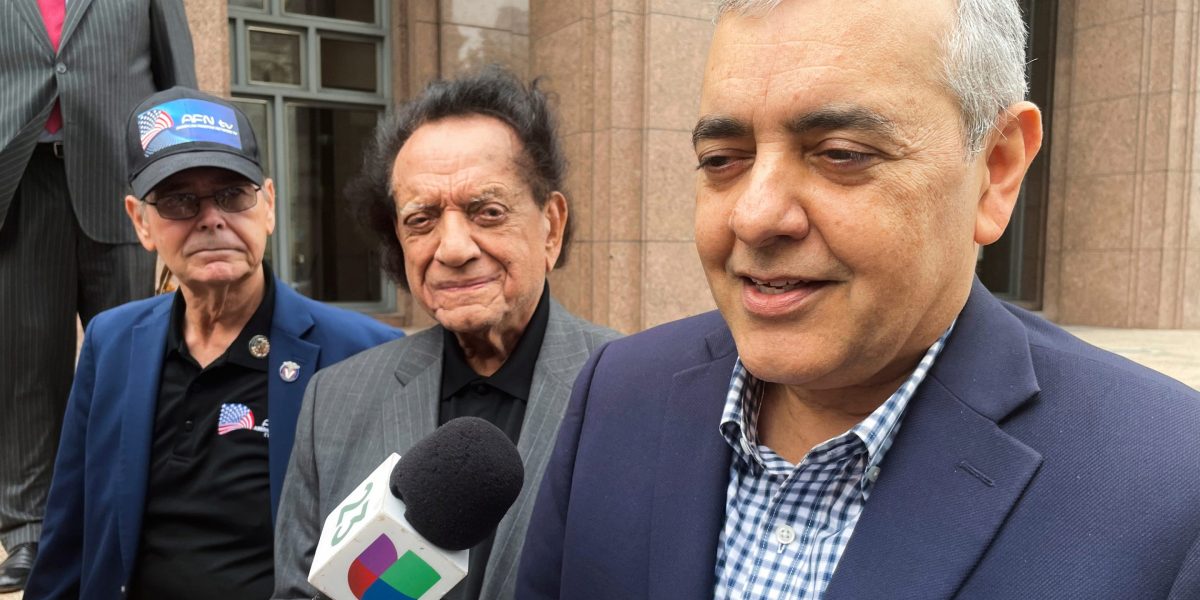
Source: Fortune.com
Summary
A former Republican congressman, David Rivera, was sentenced to 10 years in prison for concealing a $50 million lobbying campaign on behalf of Venezuela’s Maduro regime during the Trump administration. Rivera, who was convicted in May of conspiracy to commit money laundering and failing to register as a foreign agent, was described by the court as betraying his life’s mission. Prosecutors said he used GOP connections, including with Marco Rubio and Pete Sessions, to advance Venezuelan interests without disclosing the work. Rivera’s lawyers argued he believed the work was exempt from foreign lobbying laws, but the judge called the offense serious and not just about paperwork.
Our Reading
The numbers tell one story.
Rivera got 10 years for hiding $50 million in lobbying for Maduro.
Judge called him a traitor to his anti-communist image.
He used code names like “Miss Clairol” for Rubio and “The Lady in Red” for Maduro’s foreign minister.
Corruption and loyalty collide in Miami’s political underworld.
Author: Evan Null
David Rivera’s 10-Year Sentence for Venezuela Lobbying
David Rivera, a former Republican congressman, was sentenced to 10 years in prison for concealing a $50 million lobbying campaign on behalf of Venezuela’s Maduro regime during the Trump administration. Rivera was convicted in May of conspiracy to commit money laundering and failing to register as a foreign agent. The court described his actions as a betrayal of his life’s mission, particularly given his reputation as an anti-communist figure.
Rivera’s case highlights the complex web of foreign influence and political connections in U.S. politics. Prosecutors alleged that he used GOP allies, including Marco Rubio and Pete Sessions, to push Venezuelan interests without disclosing the work. Rivera’s defense argued that the lobbying was commercial in nature and not subject to foreign agent registration laws. However, the judge rejected this claim, calling the offense serious and not just about paperwork.
The case also revealed the use of coded language in communications with Venezuelan officials. Rivera and his co-defendant, Esther Nuhfer, used code names like “Miss Clairol” for Rubio and “The Lady in Red” for Maduro’s foreign minister. The trial showed how Rivera and others sought to manipulate influential figures to shape U.S. policy toward Venezuela.
Rivera’s legal team has requested a presidential pardon and plans to appeal. The judge also ruled on the government’s request for Rivera to forfeit $20 million in criminal proceeds. Despite his conviction, Rivera continues to have support among Miami’s Cuban American community, who view him as a defender of democracy.
The case underscores the challenges of foreign influence in U.S. politics and the fine line between legitimate lobbying and illegal activity. It also highlights the role of Miami as a hub for political and business interests tied to Latin America, particularly among exile communities. Rivera’s sentencing sends a strong message about the consequences of concealing foreign lobbying efforts, even for high-profile figures with strong political connections.
Prosecutors’ Case Against Rivera
Prosecutors argued that Rivera worked closely with Venezuela’s Maduro regime to influence U.S. policy, particularly during the Trump administration. They claimed that Rivera and his co-defendant, Esther Nuhfer, sought to manipulate influential GOP figures, including Marco Rubio and Pete Sessions, to advance Venezuelan interests. The case revealed how Rivera used coded language in communications with Venezuelan officials, including code names like “Miss Clairol” for Rubio and “The Lady in Red” for Maduro’s foreign minister.
Rivera was charged in 2022, during the Biden administration, but the case gained renewed attention after Trump returned to the White House. His legal team has applied for a presidential pardon and plans to appeal. The judge ruled that Rivera’s actions were serious and not just about paperwork, rejecting the defense’s argument that the work was exempt from foreign agent registration laws.
The prosecution also highlighted how Rivera used a contract with Venezuela’s state oil company, PDVSA, as a cover for illegal lobbying. They alleged that he backdated documents and created sham agreements to hide the true nature of the work. Rivera’s defense claimed the contract was focused on commercial activities, not political lobbying, but the court found this argument unconvincing.
Rivera’s sentencing came after a trial that revealed the extent of his involvement with the Maduro regime. The case also showed how he used his political connections to advance Venezuelan interests, even as the U.S. imposed sanctions on Maduro. Despite his conviction, Rivera continues to have support among Miami’s Cuban American community, who view him as a defender of democracy.
The case highlights the challenges of foreign influence in U.S. politics and the risks of engaging in covert lobbying efforts. It also underscores the importance of transparency and accountability in political and business dealings, particularly when foreign interests are involved.
Rivera’s Political Career and Controversies
Before his conviction, David Rivera served in Congress from 2011 to 2013 and was a high-ranking Florida legislator. He shared a home with Marco Rubio in Tallahassee and was a close friend of the future secretary of state. Rivera faced earlier controversies, including allegations of secretly funding a Democratic spoiler candidate in a 2012 congressional race. Federal prosecutors eventually dropped the case after a fine was thrown out on appeal.
Rivera was also investigated for alleged campaign finance violations and a $1 million contract with a gambling company while serving in the Florida Legislature. Despite these issues, he continued to have support among Miami’s Cuban American community, who view him as a defender of democracy. Friends of the former congressman, including the former president of Florida International University and Miami-Dade County’s supervisor of elections, packed the courtroom to show their support.
Pete Sessions, a top Washington lobbyist and former congressman, testified in Rivera’s case, stating that he had never mentioned his consulting contract with a U.S.-based affiliate of Venezuela’s state oil company, PDVSA. Sessions also sent a letter seeking leniency for Rivera, referring to him as a devoted defender of democracy.
The case has raised questions about the influence of foreign interests in U.S. politics, particularly in Miami, where anti-communist sentiment is strong. Despite his conviction, Rivera continues to have support among some in the Cuban American community, who see him as a key figure in the fight against communist regimes.
Rivera’s sentencing marks a significant moment in the ongoing debate over foreign influence and political transparency. It also highlights the complex relationships between U.S. politicians and foreign governments, particularly in regions with strong political and cultural ties.
The Role of Miami in Foreign Influence
Miami has long been a hub for political and business interests tied to Latin America, particularly among exile communities. The city’s reputation as a magnet for anti-communist crusaders and corruption has made it a focal point for foreign influence campaigns. Rivera’s case is a rare glimpse into how these networks operate, particularly during the Trump administration.
The case revealed how Rivera and his co-defendant, Esther Nuhfer, used GOP connections to advance Venezuelan interests. They sought to manipulate influential figures, including Marco Rubio and Pete Sessions, to shape U.S. policy toward Venezuela. The trial showed how Rivera used coded language in communications with Venezuelan officials, including code names like “Miss Clairol” for Rubio and “The Lady in Red” for Maduro’s foreign minister.
Prosecutors argued that Rivera’s actions were part of a broader effort to influence U.S. policy, particularly during a time when the Trump administration was taking a hard line against the Maduro regime. Rivera’s defense claimed that the work was commercial in nature and not subject to foreign agent registration laws, but the court rejected this argument.
The case also highlighted the role of Miami’s Cuban American community in shaping political and business interests. Despite his conviction, Rivera continues to have support among some in the community, who view him as a defender of democracy. This support has raised questions about the influence of foreign interests in U.S. politics and the challenges of maintaining transparency and accountability.
Rivera’s sentencing underscores the importance of vigilance in monitoring foreign influence and ensuring that political and business dealings are transparent. It also highlights the complex relationships between U.S. politicians and foreign governments, particularly in regions with strong political and cultural ties.
Legal and Political Implications
Rivera’s 10-year sentence has significant legal and political implications, particularly for figures involved in foreign lobbying and political connections. The case highlights the risks of engaging in covert lobbying efforts, even for high-profile individuals with strong political ties. It also underscores the importance of transparency and accountability in political and business dealings, especially when foreign interests are involved.
The prosecution’s argument that Rivera’s actions were a betrayal of his anti-communist image has resonated with many in the legal and political communities. The judge’s rejection of Rivera’s defense, which claimed the work was exempt from foreign agent registration laws, has set a precedent for future cases involving similar allegations. This ruling sends a strong message about the consequences of concealing foreign lobbying efforts, even for individuals with significant political influence.
The case also raises questions about the role of Miami’s Cuban American community in shaping political and business interests. Despite Rivera’s conviction, he continues to have support among some in the community, who view him as a defender of democracy. This support has sparked debate about the influence of foreign interests in U.S. politics and the challenges of maintaining transparency and accountability.
Rivera’s sentencing marks a significant moment in the ongoing debate over foreign influence and political transparency. It also highlights the complex relationships between U.S. politicians and foreign governments, particularly in regions with strong political and cultural ties. The case serves as a cautionary tale for individuals involved in foreign lobbying and political connections, emphasizing the importance of compliance with legal and ethical standards.
The legal and political implications of Rivera’s case extend beyond his individual conviction. They reflect broader concerns about the integrity of U.S. politics and the influence of foreign interests. The case also underscores the need for continued vigilance in monitoring and addressing potential conflicts of interest, particularly in high-profile political and business circles.