Source: Fortune.com
Summary
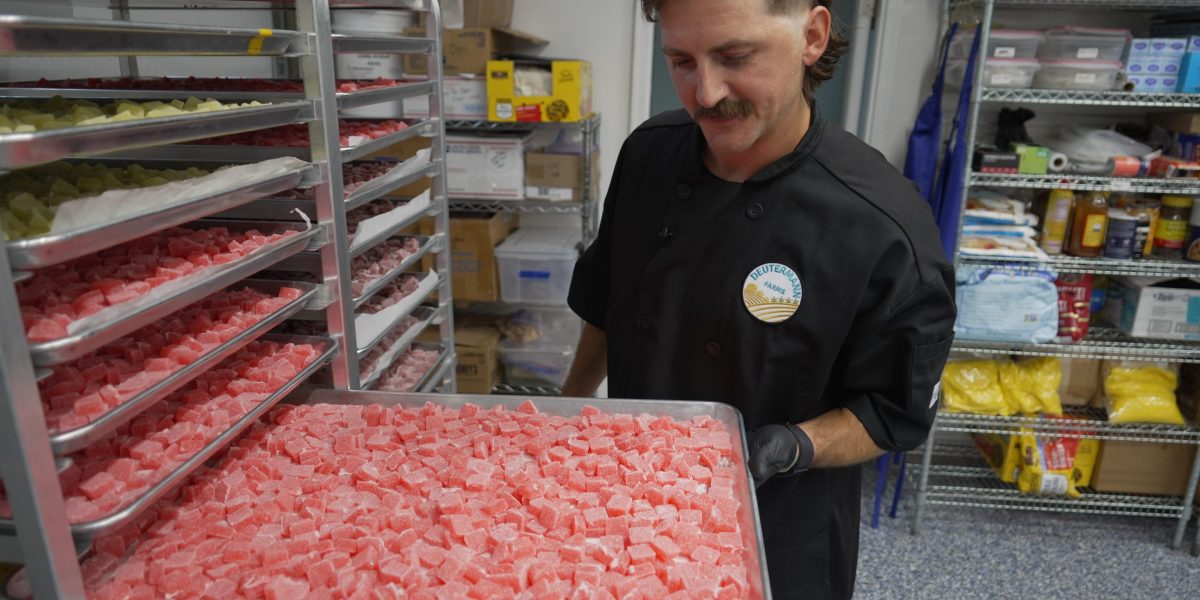
Businesses producing hemp-derived THC products face potential shutdown after Congress closed a loophole in federal law. The new rule limits THC in hemp products to 0.4 milligrams per container, threatening the industry. Advocates and lawmakers are pushing to delay or revise the ban. Some companies, like Deutermann Farms, are considering alternatives like creatine gummies. Industry leaders warn the ban could cost $28.3 billion in revenue and 225,000 jobs. The conflict highlights the tension between unregulated hemp products and state and federal regulations.
Our Reading
The announcement sounds familiar.
Sen. Mitch McConnell’s hemp law created a loophole that let THC products thrive.
Now, the same law is being used to shut them down.
Businesses built on the loophole are scrambling to survive.
The industry’s fate depends on lawmakers’ willingness to rewrite the rules.
Author: Evan Null
Industry in Limbo
The hemp THC industry, once a booming sector, is now in a precarious position. Companies that thrived on the loophole in the 2018 farm bill are now facing the possibility of closure. The new rule, which limits THC in hemp products to 0.4 milligrams per container, is seen as too restrictive by many in the industry. This has led to uncertainty and fear among business owners who have invested heavily in the sector.
Political Pushback
Advocates for the industry are urging lawmakers to reconsider the ban. They argue that the rule is too harsh and could lead to significant economic losses. Some lawmakers are also pushing for a more balanced approach, one that allows the industry to continue while ensuring safety and regulation. This political pushback highlights the ongoing debate over the role of hemp products in the market.
Business Impact
The potential shutdown of the hemp THC industry could have a major impact on the economy. According to a report by Whitney Economics, the ban could reduce retail revenues by $28.3 billion, displace 225,000 jobs, and reduce state sales tax potential by $2.1 billion. These numbers underscore the significant economic stakes involved in the debate over the new rule.
Uncertainty and Adaptation
Many businesses are adapting to the uncertainty by exploring alternative products. For example, some are considering shifting to non-THC products like creatine gummies. Others are looking to expand into legal in-state markets where regulations may be more favorable. This adaptability is crucial for survival in a rapidly changing regulatory environment.
Opposition and Support
The debate over the hemp THC industry has drawn both support and opposition. Alcohol retailers, such as Total Wine & More, have expressed support for the industry, citing the role of cannabis seltzers in offsetting falling alcohol sales. On the other hand, opponents argue that the products are dangerous and pose risks to public health. This divide reflects the broader societal debate over the role of cannabis in the market.