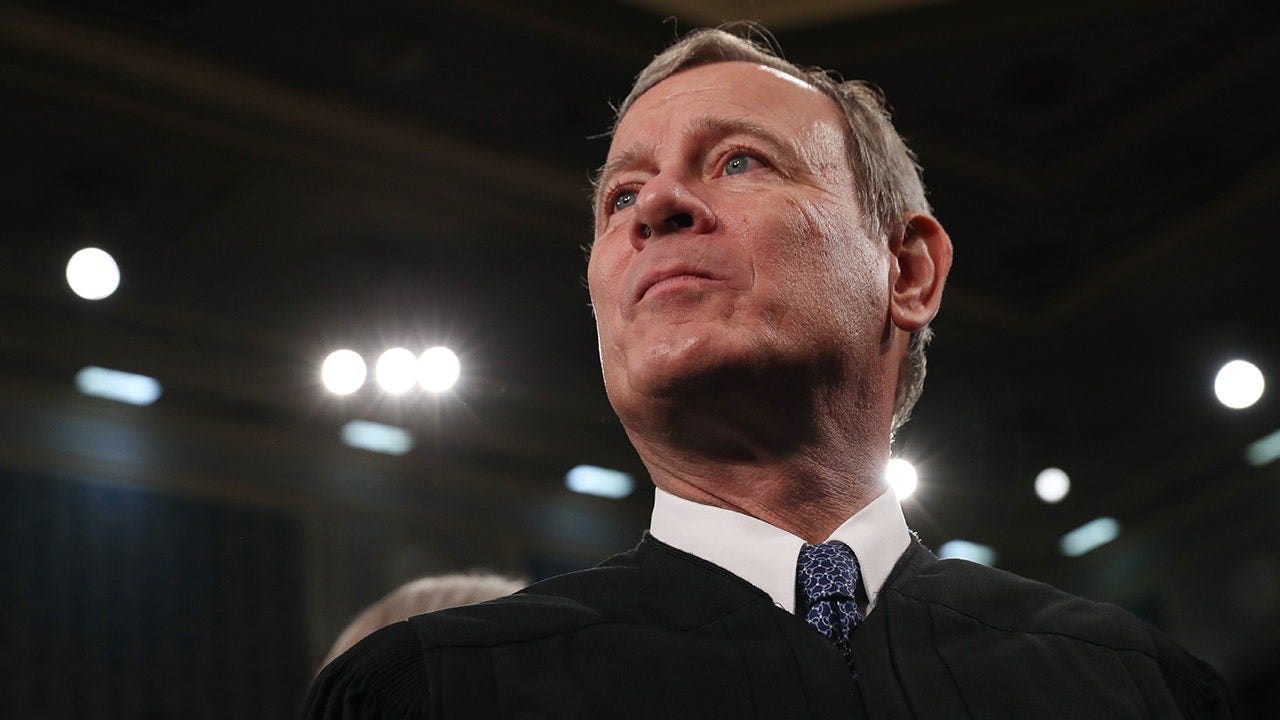
Source: Fox News
Summary
The Supreme Court begins its new term with cases involving religious liberty, gun rights, immigration, and state-federal authority. Key cases include Suncor Energy v. Boulder County, which addresses whether Colorado can sue oil companies for climate-related harms under state law. Other cases involve Arizona’s voter registration law, Colorado’s preschool funding dispute, and gun regulations in Illinois and Connecticut. The court will also review a Trump administration policy on deporting immigrants to third countries. Legal experts suggest the cases reflect broader debates over federalism and individual rights.
Our Reading
As expected, the matter has reached another stage.
Colorado tries to sue oil companies over climate harms.
States push back against federal laws in voting and education.
Gun laws and religious exemptions spark legal battles.
The court hears cases that feel like a routine of power checks and balances.
Author: Evan Null
Key Cases and Themes
The Supreme Court’s new term features a range of cases that test the boundaries of state and federal power. One of the most anticipated cases is Suncor Energy v. Boulder County, where Colorado seeks to hold oil companies liable for climate-related damages under state tort law. The case raises questions about whether federal law, such as the Clean Air Act, preempts state claims that affect interstate operations. This issue is central to the debate over how much authority states can exert over national corporations.
Another major case involves Arizona’s voter registration law, which requires documentary proof of U.S. citizenship. The dispute centers on whether this law violates the National Voter Registration Act. The case highlights the ongoing tension between state election policies and federal oversight, particularly in the context of voter integrity and citizenship requirements.
Religious liberty is also at the forefront, with Colorado’s St. Mary Catholic Parish v. Roy. The case involves whether the state can exclude Catholic preschools from its universal preschool program due to their religious policies. The schools argue that state anti-discrimination rules conflict with their religious beliefs, raising questions about the extent to which religious institutions can be excluded from state-funded programs.
Gun rights are another key area, with cases in Illinois and Connecticut challenging state laws that restrict certain semiautomatic firearms. The Supreme Court will assess whether these weapons are protected under the Second Amendment, following its landmark decision in Bruin. This case could set a precedent for how states regulate firearms and what types of weapons are considered lawful.
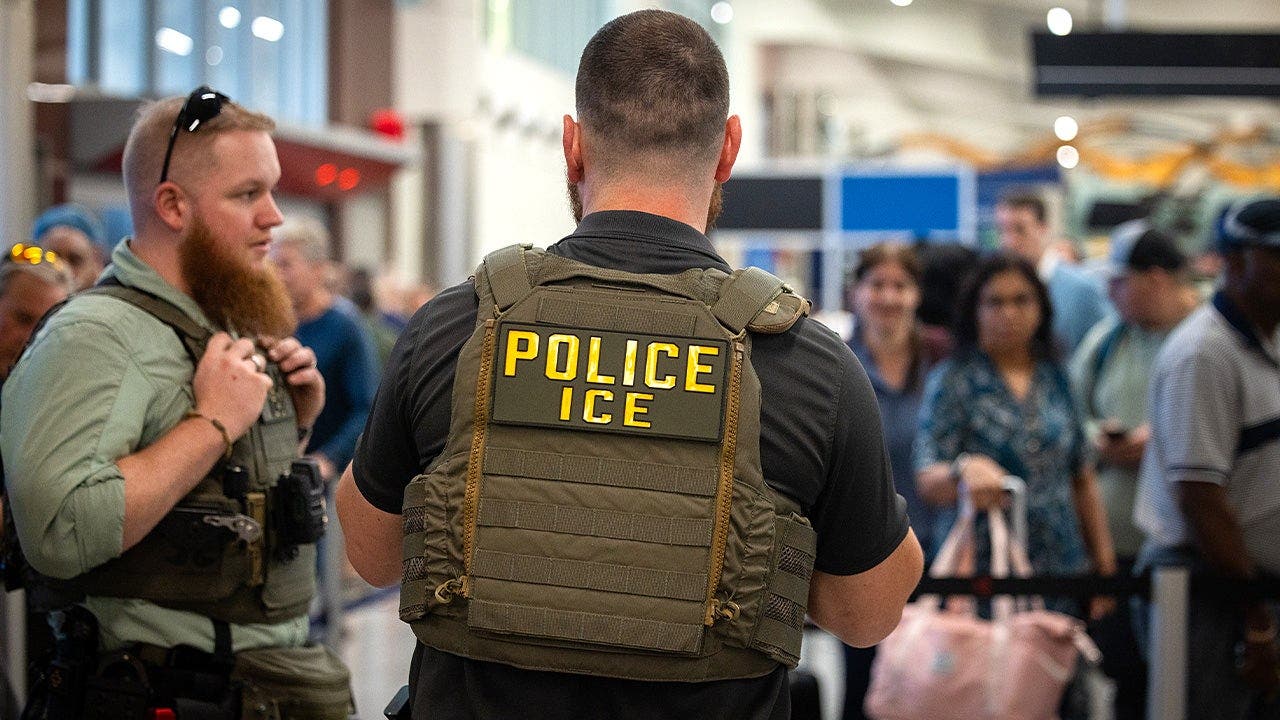
While the term is not dominated by presidential power, the court will still review a Trump administration policy on deporting immigrants to third countries. The case focuses on whether federal immigration law allows such a policy, even if it is not explicitly listed in removal orders. This issue underscores the ongoing legal scrutiny of executive authority in immigration matters.