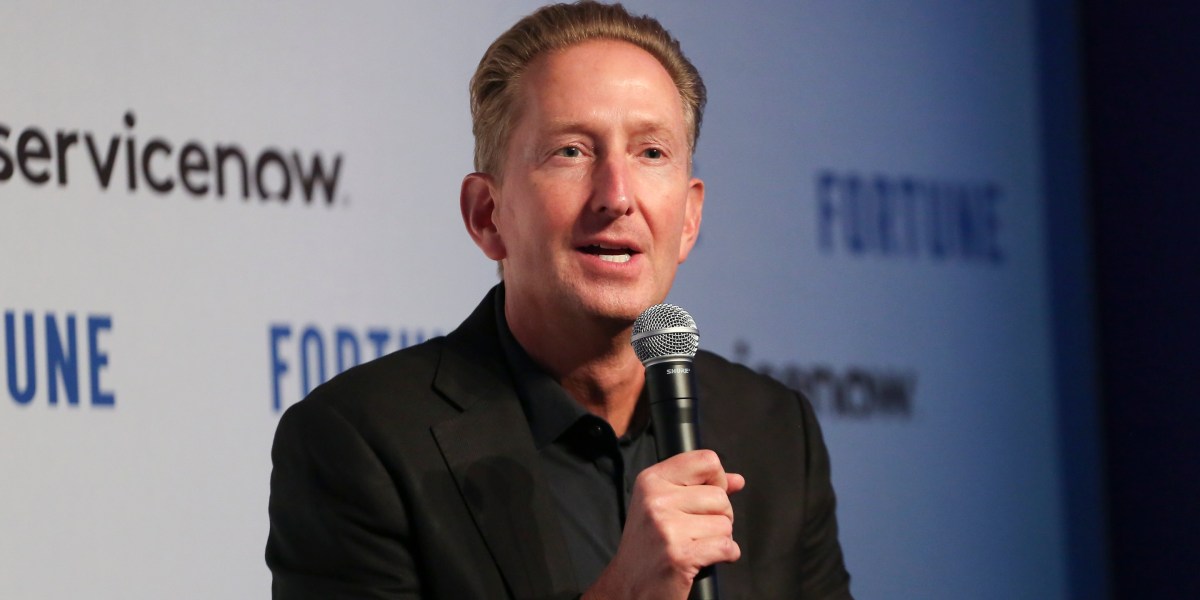
Source: Fortune
Summary
At the Fortune AIQ Summit, Ewout Steenbergen, CFO of Booking Holdings, discussed how AI is transforming travel planning. He described a future where AI creates seamless, personalized experiences by integrating flights, hotels, restaurants, and activities. Booking Holdings spends $8 billion to $9 billion annually on customer acquisition, with one-third of traffic coming from paid channels. Early data shows AI tools improve booking speed, conversion rates, and reduce cancellations. Steenbergen emphasized the importance of unit economics and end-to-end process redesign for AI success.
Our Reading
The numbers tell one story.
Booking Holdings spends $8B–$9B on customer acquisition.
One-third of traffic comes from paid channels.
AI tools show early signs of improving bookings and reducing cancellations.
Steenbergen says ROI on AI is still unclear.
The focus is on unit economics and process redesign.
Author: Evan Null
AI as a Travel Enabler
Ewout Steenbergen, CFO of Booking Holdings, spoke at the Fortune AIQ Summit about the future of AI in travel. He described a vision where AI makes travel planning more seamless and personalized. This includes suggesting indoor activities when weather changes or adjusting reservations based on flight delays. The goal is to create a “connected trip” that integrates all travel components. The company sees potential for increased loyalty and engagement through this approach.
Investing in AI
Booking Holdings spends $8 billion to $9 billion annually on customer acquisition, with a significant portion coming from paid channels. Steenbergen noted that as consumers turn to AI tools for discovery, the company may benefit from greater channel diversification. Early data shows that customers using AI tools book faster, convert more, and cancel less. However, he emphasized that the data is still early stage and the ROI on AI remains uncertain.
Rebuilding Processes
Steenbergen argued that the biggest returns from AI come from rebuilding processes from the ground up, not just layering AI onto existing systems. In customer service, booking units have grown at a high single-digit rate while costs declined slightly. Customer satisfaction also increased, lowering the average cost per booking. In engineering, AI tools have boosted the number of merge requests by 30%, with code that has passed quality checks.
Measuring AI Impact
The CFO’s role includes monitoring both the costs and benefits of AI. Booking Holdings tracks token and licensing costs and uses “effective model-cost routing” to assign lower-cost models to simple tasks and more expensive ones to complex ones. A key metric is total IT cost per merge request, which combines human and AI costs. This approach shifts the focus from individual model costs to the overall cost of producing valuable outcomes.
Personal Use of AI
Steenbergen is also using AI in his personal work. He has an “AI coach” and uses two AI agents: one for strategic analysis and another to pressure-test earnings-call materials. This reflects the broader trend of AI adoption within the company, both for operational and personal use. The CFO’s approach underscores the growing role of AI in decision-making and strategy at Booking Holdings.