Source: Fortune
Summary
The Gulf’s secondaries market has grown significantly, with turnover nearly doubling from $22 billion in 2022 to $40 billion in 2025. As traditional exits like IPOs slow, secondaries offer liquidity for investors. Data on secondaries is scarce, but electronic trade sizes have increased. Kholoud Alharbi of Endeavor Saudi Arabia noted that many secondary transactions are private and not captured in traditional data. Venture capital in the region saw a 74% year-on-year increase in 2025, but liquidity mechanisms have struggled to keep up. The average exit horizon for VC and PE firms in MENA is six years, with M&A remaining the primary exit route.
Our Reading
The numbers tell one story.
Turnover in Gulf secondaries nearly doubled from 2022 to 2025.
Private transactions remain hidden from traditional data.
VC investment grows, but liquidity lags.
Secondary funds now aim to fill the gap with structured solutions.
Author: Evan Null
Key Trends in the Gulf’s Secondary Market
The Gulf’s secondary market is evolving from a niche area to a major capital channel. This shift is driven by slower IPOs and M&A activity, which has left investors seeking alternative liquidity solutions. The market’s growth is reflected in the doubling of turnover from $22 billion in 2022 to $40 billion in 2025, as well as the rise in electronic trade sizes. Despite this, data on secondaries remains limited, with many transactions occurring privately and not captured in traditional exit metrics.
Investors in the region are increasingly turning to secondaries as a way to access liquidity. This is particularly true in the wake of a 74% year-on-year increase in VC investment in 2025, which has outpaced the development of liquidity mechanisms. The average exit horizon for VC and PE firms in MENA is now six years, reflecting a maturing market that requires more patient capital. M&A remains the primary exit route, but it is not keeping up with the number of companies and opportunities in the region.
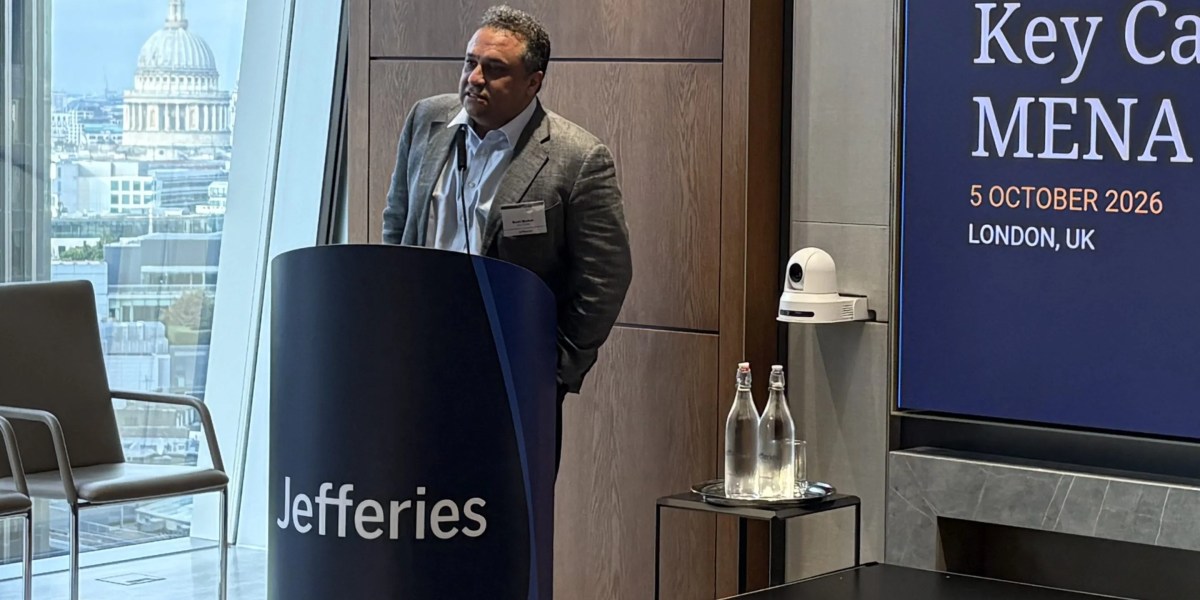
Secondary funds are now stepping in to provide earlier liquidity and help shorten exit horizons. Key Capital, a new VC secondaries asset manager, is targeting $50 million in fund size and investing in high-growth technology companies by buying secondary stakes from existing shareholders. This approach allows for structured liquidity without appearing on a company’s capitalization table. The fund is focusing on the UAE and Saudi Arabia, where fintech is the leading sector of interest.
Key Capital is also benefiting from significant purchase discounts to net asset value, averaging between 35% to 45%, which is much higher than the 5-15% discounts seen in the U.S. This makes the Gulf market particularly attractive for investors willing to embrace illiquidity. The fund has seen growing interest from Gulf sovereigns, institutional investors, and family offices, many of whom have experience with secondaries in the U.S.
As the Gulf’s private markets mature, secondaries are becoming an essential part of the investment ecosystem. They offer a way to recycle capital and provide liquidity in a market where traditional exits are limited. With the region’s startups raising $3.8 billion in 2025 and the average exit horizon at six years, the demand for secondary solutions is likely to grow. This trend signals a shift in how capital is managed and deployed in the Gulf, with secondaries playing an increasingly important role.