Source: Fortune
Summary
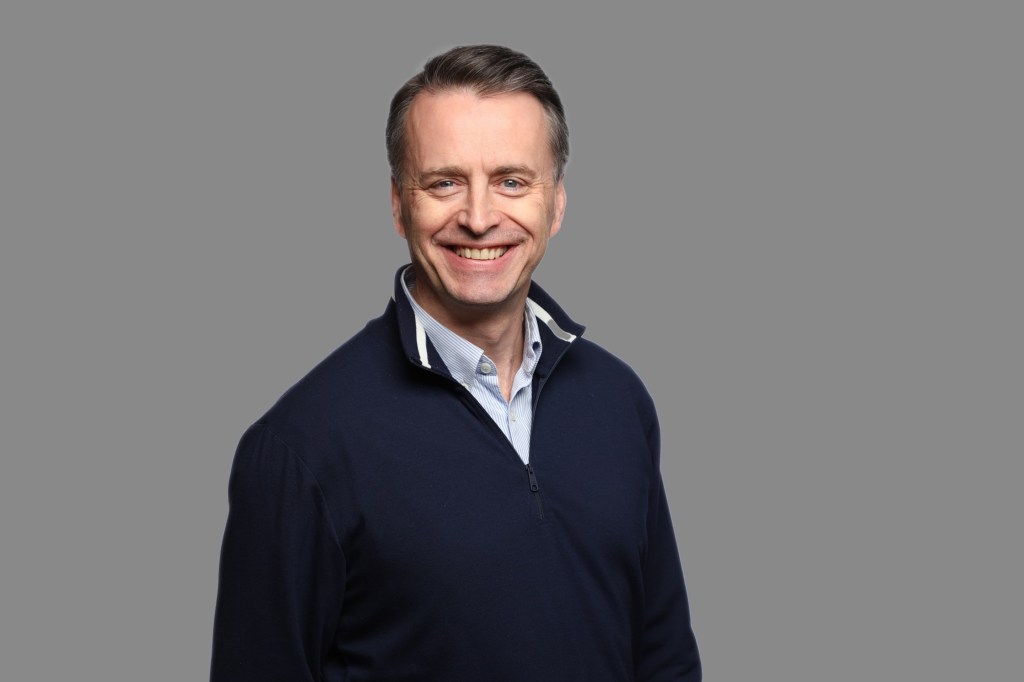
European beer consumption has declined since 2019, with a 9.2% drop by 2025, according to Brewers of Europe. Heineken’s Europe president, Glenn Caton, cited inflation and shifting consumer habits as factors. Heineken raised prices in the UK and announced plans to cut 6,000 jobs globally by 2028. The company is also expanding its non-alcoholic beer offerings, which saw a 12% volume increase in 2026. Despite challenges, Caton emphasized the long-term viability of beer and the importance of value and experience in attracting consumers.
Our Reading
The announcement sounds familiar.
Heineken is cutting jobs and raising prices again.
Europe’s beer market is in decline, but the company is doubling down on non-alcohol.
Caton talks about value, but the numbers don’t add up.
The beer business is still alive, but the old ways aren’t working.
Author: Evan Null
Europe’s Beer Problem
Europe’s beer market is facing a long-term decline, with consumption falling 9.2% since 2019. Brewers of Europe reported that the drop is driven by Gen Z’s sober-curious habits and the rise of weight-loss drugs like Ozempic. Heineken’s Europe president, Glenn Caton, acknowledged that price inflation has hurt consumer spending. The company has raised prices in the UK, with the average pint now costing £5.34, up 17p in the year to April 2026. Despite these efforts, beer sales in Europe are still falling, with Caton calling the trend a “structural decline.”
Heineken’s Cost-Cutting Measures
Heineken is responding to the decline with cost-cutting measures, including plans to cut up to 6,000 jobs globally by 2028. The company’s EverGreen 2030 strategy aims to save €500 million annually by streamlining operations and focusing on faster-growing markets. About 3,000 jobs were cut in the first half of 2026, with Europe expected to bear a large portion of the burden. Some roles are being moved to Heineken’s business services hubs in Kraków and India. Caton emphasized that the cuts are necessary for the company’s long-term health, even though they impact employees he respects.
Reorganizing for Efficiency
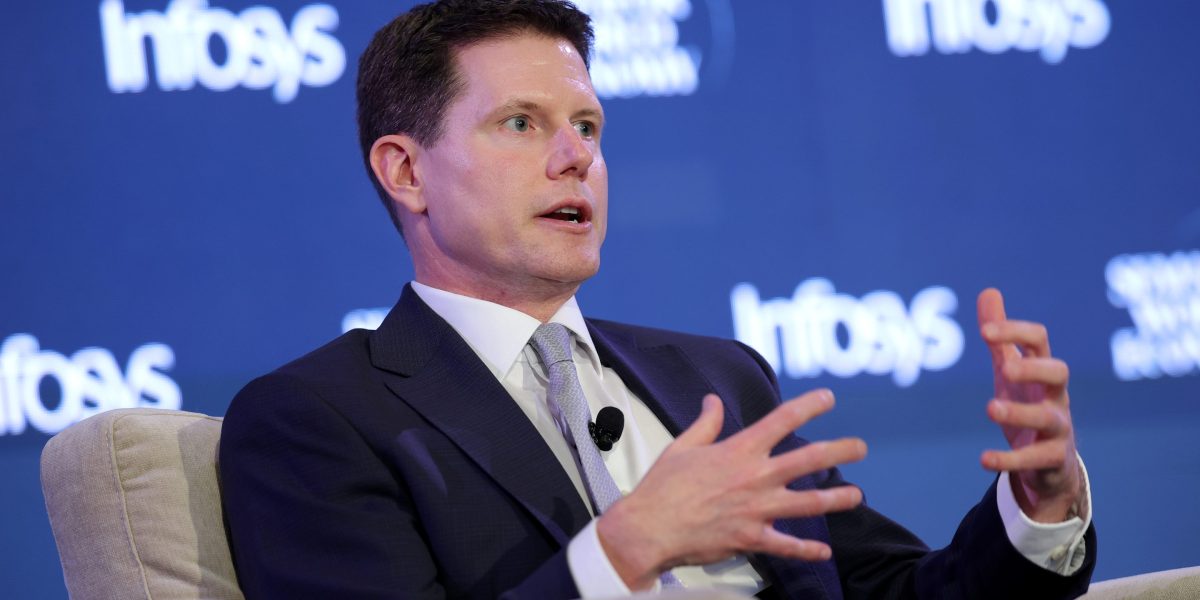
To become more efficient, Heineken is merging nine European country businesses into four multi-country operating units. This includes combining Belgium and the Netherlands into one unit, and Germany, Austria, and Switzerland into another. The reorganization marks a shift from Heineken’s traditional local-first approach, aiming to create a “lean, fast and agile” business. Caton said the changes will allow the company to offer better value to consumers while reducing costs. The restructuring also took place during a nine-month period without a permanent CEO, though Rafael Oliveira took over in October 2026.
Expanding the Non-Alcoholic Market
Heineken is betting on non-alcoholic beer to counter the decline in traditional beer consumption. The company’s Heineken 0.0, launched in 2017, has become a leading alcohol-free beer, with low- and no-alcohol volumes rising 12% in the first half of 2026. Caton said the category is growing, and Heineken is innovating with flavored options like Lemon & Elderflower and lower-alcohol lagers. While competition is increasing, Caton believes it’s good for the overall market. Non-alcoholic beer now accounts for one in 12 beers drunk in the EU, though adoption varies across the continent.
The Future of Pubs and Bars
Pubs and bars make up about half of Heineken’s European business, and the company is investing in this sector. In the UK, Heineken owns around 2,350 pubs through Star Pubs & Bars and is reportedly in talks to acquire Stonegate for £300 million. Caton argued that good pubs are still thriving, though British pubs are struggling, with 161 closures in the first quarter of 2026. Heineken also emphasized the economic role of bars, noting that tourists spend nearly €2.5 billion annually on its beers. Despite the challenges, Caton remains confident in beer’s long-term future, saying, “It’s been around 5,000 years. It’s not going anywhere.”