Source: Fox News
Summary
Protesters in Washington, D.C., are opposing a new proposal that would allow driverless rideshare vehicles in the city, fearing job losses. The legislation, introduced by Councilmember Charles Allen, would permit commercial autonomous vehicles under the District Department of Transportation. Union workers, drivers, and religious leaders expressed concerns about the impact on employment. Some argue that while robotaxis may lower fares initially, prices could rise over time. The bill has not yet been voted on and requires full council approval before implementation.
Our Reading
As expected, the matter has reached another stage.
Protesters gather outside a building where council members meet.
People speak about jobs, fear, and the future of driving.
Some argue for shorter workweeks, others for human drivers.
Robotaxis are both a promise and a threat, depending on who is speaking.
Author: Evan Null
Protesters and Their Concerns
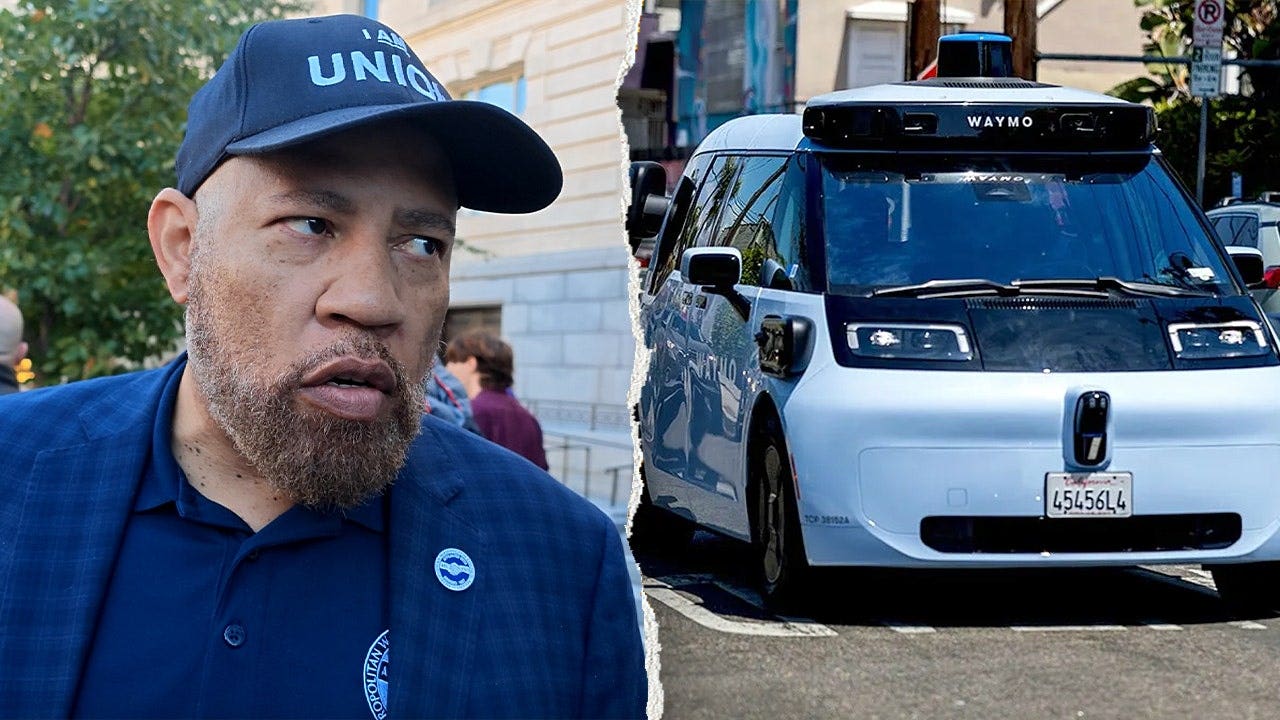
Protesters gathered outside the John Wilson Building, where D.C. council members were discussing the new legislation. They argued that robotaxis would eliminate jobs and disrupt the community. One protester said, “We came out here today strongly because we feel that these robotaxis will put people out of work.” Another, Frederick from Virginia, added, “People need jobs to be able to support their family.” The concerns were echoed by Sabrina from Washington, D.C., who said, “Let’s not bring robots taking my neighbor’s jobs.”
Opposition and Alternatives
Some protesters acknowledged that autonomous vehicles could eliminate driving jobs but suggested alternatives. Michael from Washington, D.C., said, “We should take the offensive on job issues. We should shorten the workweek, without a loss in pay. So we’ll create more jobs in public transportation, in hospitals, in service industries.” This idea was presented as a way to balance the impact of automation on employment. However, not all agreed, with some believing that the city should not rush into the adoption of robotaxis.
Support for Robotaxis
Supporters of robotaxis argue that the technology could lead to lower fares and improved efficiency. Waymo, one of the companies involved, claims its safety data shows fewer crashes involving injuries. However, current comparisons suggest that prices may not always be cheaper than traditional rideshare services like Uber and Lyft. Some protesters remain skeptical, saying that while prices might be lower initially, they could eventually rise. Sabrina said, “It might be cheap for the trial periods, and then all of a sudden we’ll be paying $50.”
Legislative Process and Timeline
The proposed legislation, the Autonomous Vehicle Deployment Authorization Amendment Act of 2026, was introduced by Councilmember Charles Allen in May. It would create a program for commercial autonomous vehicles in D.C., managed by the District Department of Transportation. The bill has not yet been voted on and requires full council approval. A public hearing was held in July, but no vote has been scheduled. The proposed framework could bring robotaxis to the city by 2028, initially limiting operators to 200 vehicles.
Public Reaction and Uncertainty
Public reaction to the proposal remains mixed. While some see potential benefits, others fear the loss of jobs and the risks associated with autonomous vehicles. Eddie, a protester, said, “I don’t think it’s good for the city. If my children gonna get in a car, I would prefer for a human to be driving.” The debate highlights the tension between technological progress and the concerns of workers and communities. As the council continues to consider the bill, the future of robotaxis in Washington, D.C., remains uncertain.