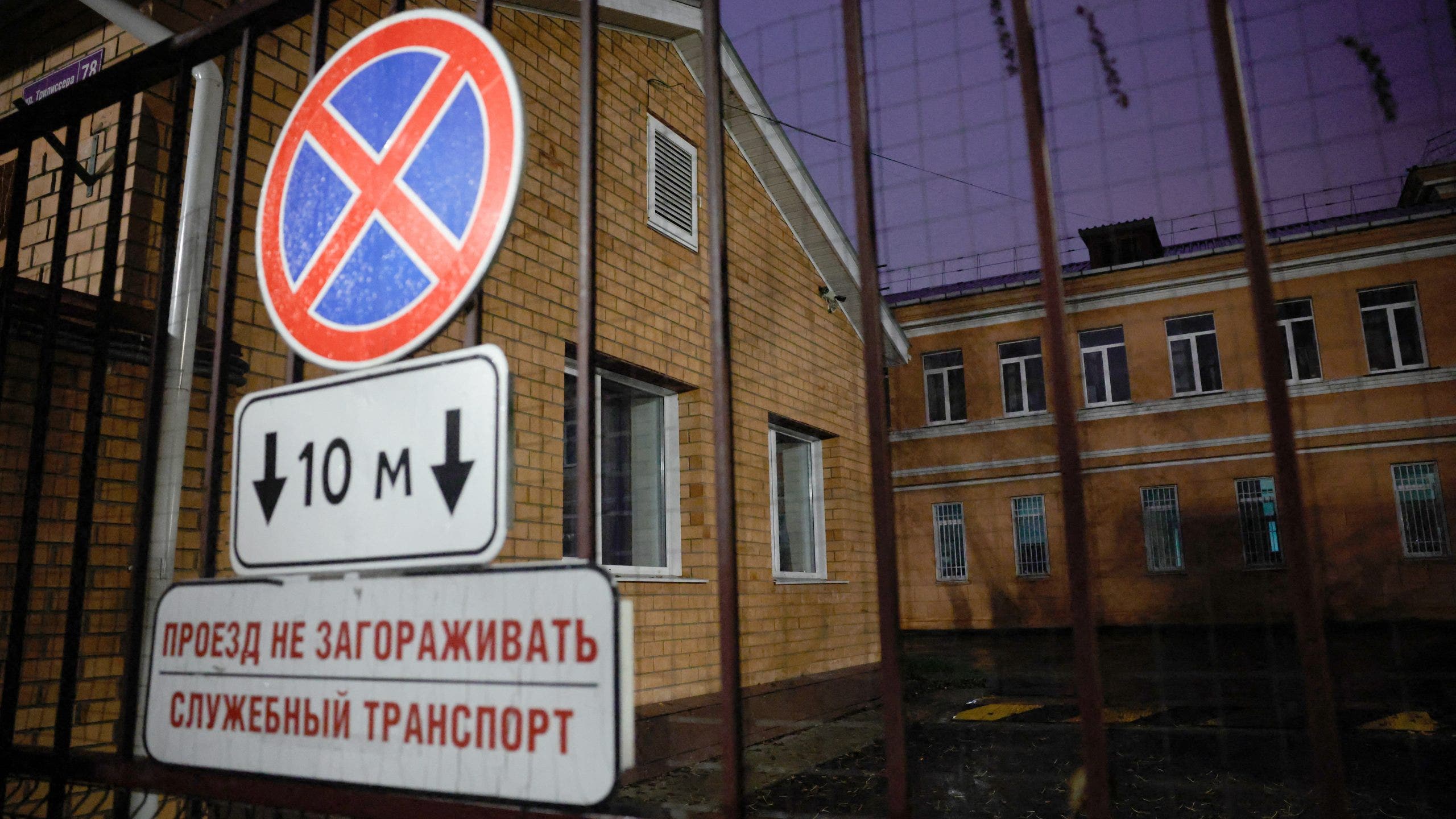
Source: Fox News
Summary
Marshall Billingslea, a former Senate staffer, recalled learning about the Soviet biological weapons program from defector Ken Alibek in the 1990s. He now raises concerns about the mysterious death of a researcher at the Irkutsk Research Anti-Plague Institute in Russia. Billingslea claims Russia continues an offensive biological weapons program, violating the Biological Weapons Convention. A State Department official confirmed this, noting the program was absorbed, not dismantled, after the Soviet Union. While no evidence links the death to the program, Billingslea urges transparency and international pressure on Russia.
Our Reading
As expected, the matter has reached another stage.
Billingslea sits in a room, recounting a story from 1990s meetings.
Ken Alibek’s name repeats, like a familiar refrain.
The same questions circle, like a clock with no hands.
The death in Siberia feels like a page turned, not a new chapter.
Author: Evan Null
Marshall Billingslea and the Soviet Legacy
Marshall Billingslea, a former Senate staffer, recalls his 1990s meetings with Ken Alibek, a high-ranking defector from the Soviet biological weapons program. Alibek provided insights into the scale of the Soviet program, which Billingslea says Russia inherited. The recent death of a researcher at the Irkutsk Anti-Plague Institute has reignited concerns about the legacy of this program. Billingslea argues that Russia continues to maintain an offensive biological weapons program, violating the Biological Weapons Convention.
The Mystery Death and International Concern
The unexplained death of a 28-year-old researcher at the Irkutsk Anti-Plague Research Institute has raised questions about the potential link to Russia’s biological weapons program. Russian authorities have stated that no microorganism linked to the woman’s professional activities was found. The World Health Organization has requested additional information from Moscow regarding the cause of her fatal pneumonia. Billingslea emphasizes the need for transparency and international pressure on Russia to address these concerns.
Historical Context and Current Concerns
Billingslea’s concerns are rooted in his past work with Alibek, who revealed details about the Soviet program’s efforts to modify pathogens for increased lethality and resistance to antibiotics. These revelations, according to Billingslea, were corroborated by multiple sources. The Soviet-era program, as noted in a 2025 State Department report, was absorbed, not dismantled, by Russia. This has led to ongoing scrutiny of the network of laboratories that may still be involved in biological weapons research.
International Pressure and the Biological Weapons Convention
Billingslea calls for international pressure on Russia to end its offensive biological weapons program and to provide transparency regarding the Irkutsk researcher’s death. He urges countries outside the traditional U.S. alliance system, such as Brazil and Mexico, to join in demanding answers. The December meeting of parties to the Biological Weapons Convention is seen as an opportunity for countries to confront Russia over its program. Billingslea believes that the issue should not be viewed as a U.S. versus Russia matter, but as a concern for the entire international community.
Continued Scrutiny and Calls for Transparency
Billingslea emphasizes the importance of releasing the genetic sequence of the pathogen that caused the researcher’s death, along with information about contact testing, the timeline of her illness, and the institute’s biosafety procedures. This information could help determine whether the pathogen was modified. He also highlights the need for the international community to work together to ensure that Russia complies with the Biological Weapons Convention and ceases any offensive biological weapons activities.