Source: Fox News
Summary
Energy policy experts warn that a Supreme Court decision in Suncor v. Boulder could lead to oil company bankruptcies and higher gas prices if cities and states can sue fossil fuel companies for climate damage. The case involves whether federal law blocks state lawsuits over emissions that cross state lines. Boulder sued ExxonMobil and Suncor, alleging they misled the public about climate risks. The court heard arguments on Monday, with justices questioning the legal theory’s scope and potential consequences. Similar lawsuits are pending in Portland, Baltimore, and other cities.
Our Reading
As expected, the matter has reached another stage.
Justices question if lawsuits could target more than oil companies.
Lawyers say state law could limit who is sued.
Experts warn of higher prices and financial ruin for energy firms.
It feels like a repeat of past battles over regulation and responsibility.
Author: Evan Null
Supreme Court Considers Climate Lawsuits
The Supreme Court is hearing arguments in a case that could determine whether cities and states can sue oil companies for climate damage. The case, Suncor v. Boulder, involves whether federal law blocks state lawsuits over emissions that cross state lines. The court is considering the legal theory that could expose businesses beyond oil producers to similar lawsuits, including large retailers.
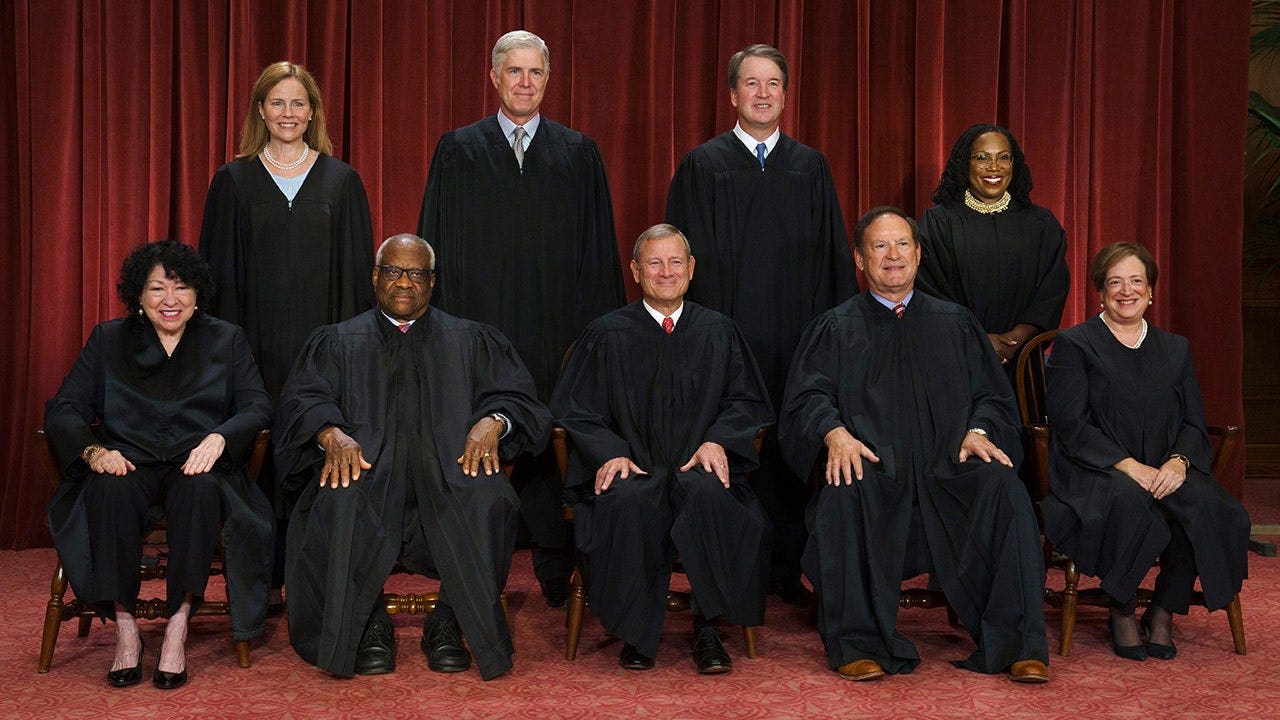
During oral arguments, Justice Clarence Thomas asked Boulder’s attorney if the legal theory could lead to lawsuits against other businesses. The attorney acknowledged that nothing in the theory prevents that, though state tort law could impose limitations. Justice Brett Kavanaugh raised concerns about the potential financial consequences of widespread litigation, warning that enough lawsuits could “bankrupt” defendants.
Boulder, Colo., sued oil giants ExxonMobil and Suncor Energy in 2018, accusing them of knowingly contributing to climate change while misleading the public about the dangers of fossil fuels. The municipalities are seeking damages to cover the costs of climate-related harms. There are roughly 30 similar lawsuits pending in jurisdictions across the country, including cases in Portland and Baltimore.
David Bookbinder, who previously served as counsel of record for Boulder, described the lawsuit as a way to implement an “indirect carbon tax.” But Boulder has maintained that the case is not an attempt to regulate national climate policy, arguing instead that Colorado has the authority to hold companies accountable under state law for alleged harms suffered within its borders.
Experts warn that a Supreme Court ruling in Boulder’s favor could open “Pandora’s box,” allowing thousands of jurisdictions to pursue similar lawsuits. They argue that the cost to defend such lawsuits would be astronomical, driving up costs for consumers. The case is seen as a major test of state authority and the limits of climate litigation in the U.S.
Legal and Economic Concerns
Legal experts and energy policy analysts are closely watching the Supreme Court’s decision in Suncor v. Boulder. The case centers on whether federal law prevents cities and states from suing oil companies under state law for climate damage linked to emissions that cross state borders. The outcome could have significant economic implications, with some warning that it could lead to oil company bankruptcies and higher gas prices.
During the oral arguments, Justice Clarence Thomas questioned whether the legal theory could expose businesses beyond oil producers to similar lawsuits. Boulder’s attorney, Kevin Russell, acknowledged that nothing in the theory prevents that, though state tort law could impose additional limitations. Justice Brett Kavanaugh expressed concerns about the potential financial consequences of widespread litigation, warning that enough lawsuits could “bankrupt” defendants.
Boulder, Colo., sued ExxonMobil and Suncor Energy in 2018, accusing them of knowingly contributing to climate change while misleading the public about the dangers of fossil fuels. The municipalities are seeking damages to help cover the costs of climate-related harms. There are roughly 30 similar lawsuits pending in jurisdictions across the country, including cases in Portland and Baltimore.
David Bookbinder, who previously served as counsel of record for Boulder, described the lawsuit as a way to implement an “indirect carbon tax.” But Boulder has maintained that the case is not an attempt to regulate national climate policy, arguing instead that Colorado has the authority to hold companies accountable under state law for alleged harms suffered within its borders.
Experts warn that a Supreme Court ruling in Boulder’s favor could open “Pandora’s box,” allowing thousands of jurisdictions to pursue similar lawsuits. They argue that the cost to defend such lawsuits would be astronomical, driving up costs for consumers. The case is seen as a major test of state authority and the limits of climate litigation in the U.S.
Broader Implications for Businesses
The potential expansion of climate lawsuits beyond oil companies raises concerns about the impact on a wide range of businesses. Legal experts suggest that if the Supreme Court allows cities and states to sue oil companies under state law, it could set a precedent for similar lawsuits against other industries. This could include large retailers, automakers, and utilities that sell or use fossil fuels.
O.H. Skinner, executive director of the Alliance for Consumers, argued that the lawsuits are an attempt to accomplish through the courts what climate advocates have been unable to achieve through Congress. He said that the advocates are clear about their goal of implementing a backdoor carbon tax, as carbon taxes have never passed in Congress. Skinner also warned that the lawsuits could extend to businesses across the energy supply chain, making it difficult to find a line for who isn’t contributing to climate change.
ExxonMobil and Suncor argue that because greenhouse gas emissions travel globally, Colorado cannot use state law to hold companies liable for emissions originating outside its borders. The companies contend that such disputes should instead be governed by federal law. Meanwhile, other states such as Utah have barred these types of state tort lawsuits from being pursued.
Utah Attorney General Derek Brown warned that if the energy companies were to lose and Colorado were to win, it would drive up the prices of gas all across the country. He argued that such decisions should be made by Congress, not the courts. The case is seen as a major test of state authority and the limits of climate litigation in the U.S.
Experts warn that a Supreme Court ruling in Boulder’s favor could open “Pandora’s box,” allowing thousands of jurisdictions to pursue similar lawsuits. They argue that the cost to defend such lawsuits would be astronomical, driving up costs for consumers. The case is seen as a major test of state authority and the limits of climate litigation in the U.S.
Political and Legal Debates
The Supreme Court’s decision in Suncor v. Boulder is part of a broader political and legal debate over the role of courts in addressing climate change. Some argue that the courts should not be used to implement climate policy, while others believe that states have the authority to hold companies accountable for climate-related harms. The case has drawn attention from both sides of the political spectrum, with conservative groups and energy companies warning of potential economic consequences.
Conservative groups have raised concerns about the impartiality of some Supreme Court justices in the case. For example, conservative groups have argued that Justice Kagan cannot be impartial in upcoming climate litigation. They claim that her past statements and affiliations make it difficult to see her as an unbiased arbiter in the case. These concerns highlight the political nature of the debate and the potential for the case to influence future climate policy.
ExxonMobil and Suncor argue that because greenhouse gas emissions travel globally, Colorado cannot use state law to hold companies liable for emissions originating outside its borders. The companies contend that such disputes should instead be governed by federal law. This argument reflects a broader debate over the jurisdiction of state versus federal courts in climate-related cases.
Meanwhile, other states such as Utah have taken steps to block these types of state tort lawsuits from being pursued. Utah Attorney General Derek Brown warned that if the energy companies were to lose and Colorado were to win, it would drive up the prices of gas all across the country. He argued that such decisions should be made by Congress, not the courts. The case is seen as a major test of state authority and the limits of climate litigation in the U.S.
Experts warn that a Supreme Court ruling in Boulder’s favor could open “Pandora’s box,” allowing thousands of jurisdictions to pursue similar lawsuits. They argue that the cost to defend such lawsuits would be astronomical, driving up costs for consumers. The case is seen as a major test of state authority and the limits of climate litigation in the U.S.
Public and Economic Impact
The potential outcome of the Supreme Court’s decision in Suncor v. Boulder could have significant public and economic impacts. Energy policy experts warn that if cities and states are allowed to sue oil companies for climate damage, it could lead to higher gas prices and financial ruin for energy firms. The case has drawn attention from both sides of the political spectrum, with concerns about the economic consequences of widespread litigation.
During the oral arguments, Justice Clarence Thomas questioned whether the legal theory could expose businesses beyond oil producers to similar lawsuits. Boulder’s attorney, Kevin Russell, acknowledged that nothing in the theory prevents that, though state tort law could impose additional limitations. Justice Brett Kavanaugh expressed concerns about the potential financial consequences of widespread litigation, warning that enough lawsuits could “bankrupt” defendants.
Boulder, Colo., sued ExxonMobil and Suncor Energy in 2018, accusing them of knowingly contributing to climate change while misleading the public about the dangers of fossil fuels. The municipalities are seeking damages to help cover the costs of climate-related harms. There are roughly 30 similar lawsuits pending in jurisdictions across the country, including cases in Portland and Baltimore.
David Bookbinder, who previously served as counsel of record for Boulder, described the lawsuit as a way to implement an “indirect carbon tax.” But Boulder has maintained that the case is not an attempt to regulate national climate policy, arguing instead that Colorado has the authority to hold companies accountable under state law for alleged harms suffered within its borders.
Experts warn that a Supreme Court ruling in Boulder’s favor could open “Pandora’s box,” allowing thousands of jurisdictions to pursue similar lawsuits. They argue that the cost to defend such lawsuits would be astronomical, driving up costs for consumers. The case is seen as a major test of state authority and the limits of climate litigation in the U.S.