Source: Fox News
Summary
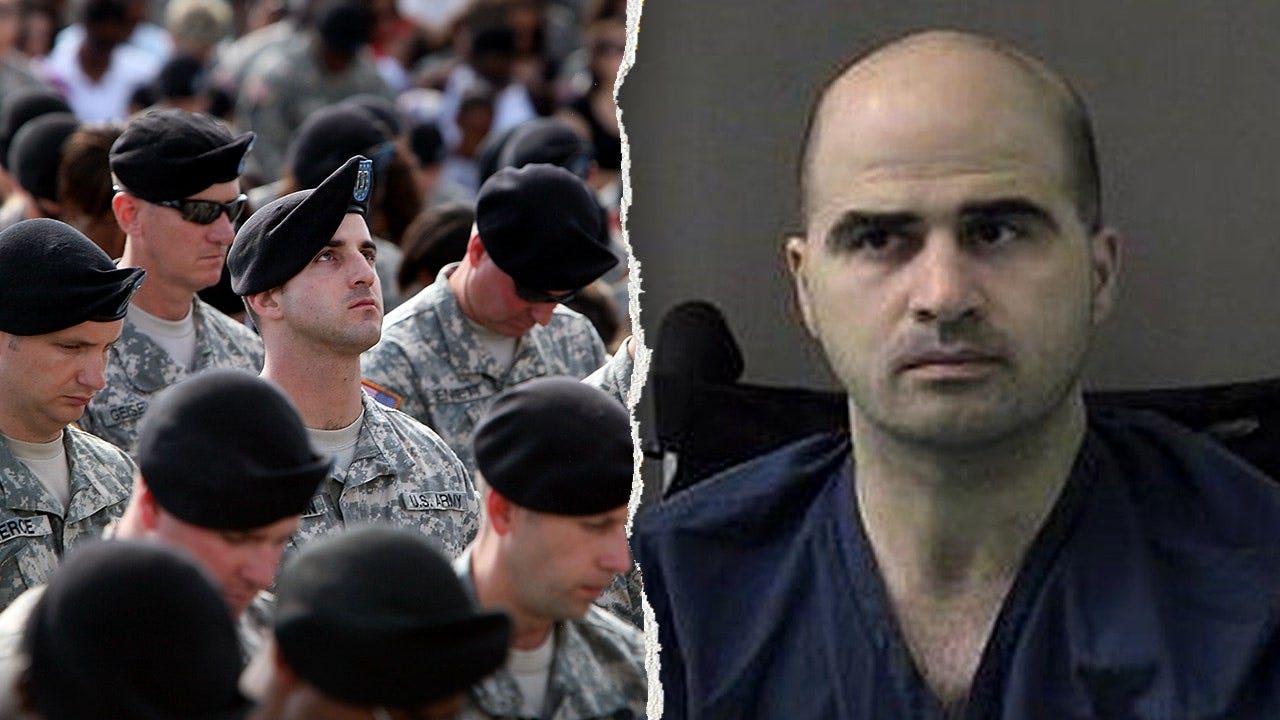
A survivor of the 2009 Fort Hood shooting, Julia Wilson, expressed mixed feelings about the military’s plan to livestream the execution of Nidal Hasan, the mass shooter, in 2026. Hasan, who killed 13 people and wounded 32 others, was sentenced to death in 2013. Secretary of War Pete Hegseth announced the execution by firing squad would be publicly streamed. Wilson supports the death penalty but questions the decision to broadcast it, fearing it could expose children to violence. She also criticized the government for classifying the attack as workplace violence rather than domestic terrorism.
Our Reading
As expected, the matter has reached another stage.
Survivors and officials debate the execution of a mass shooter.
Public streaming of the event sparks concern and controversy.
Victims demand recognition and justice.
Some want to see the killer face his fate, others fear the spectacle.
Author: Evan Null
Key Details
Nidal Hasan, the 2009 Fort Hood shooter, is set to be executed by firing squad in 2026. The military has announced plans to livestream the event, a decision that has drawn mixed reactions. Julia Wilson, a survivor, supports the execution but questions the public broadcast. She also criticized the government for not classifying the attack as domestic terrorism.
Public Reaction
Lawmakers and survivors have expressed concerns about the decision to broadcast the execution. Some, like Senator Thom Tillis, called it “disgusting” and compared it to practices in oppressive regimes. Others, like Wilson, want to see Hasan face his punishment but are uneasy about the public nature of the event.
Legal and Political Context
Hasan was sentenced to death in 2013 after a military court-martial. President Trump approved the death sentence in 2023, and the execution is now set for 2026. The decision to use a firing squad and livestream it has raised questions about the purpose and impact of such a public display.
Survivor’s Perspective
Julia Wilson, who was nine months pregnant during the shooting, described the trauma of witnessing the attack. She wants to attend the execution to confront Hasan and reclaim her sense of power. However, she is also troubled by the idea of broadcasting his death, fearing it could expose children to violence.
Call for Justice
Wilson has called for the attack to be reclassified as domestic terrorism, arguing that the government has failed to recognize the full scope of the tragedy. She believes true healing can only begin once the event is properly acknowledged and justice is fully served.