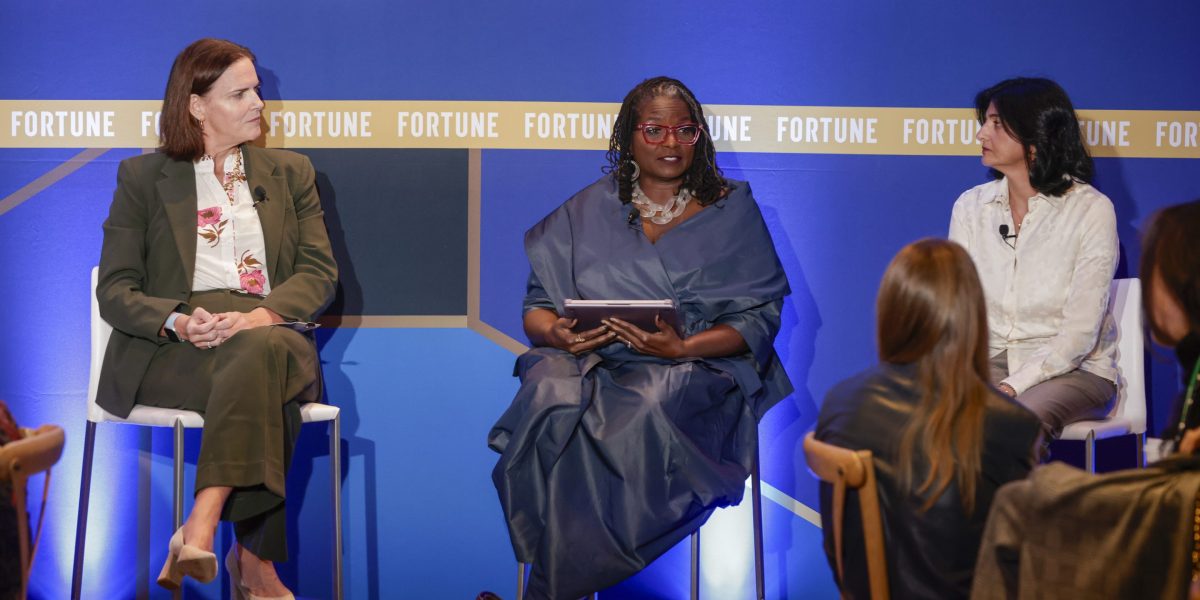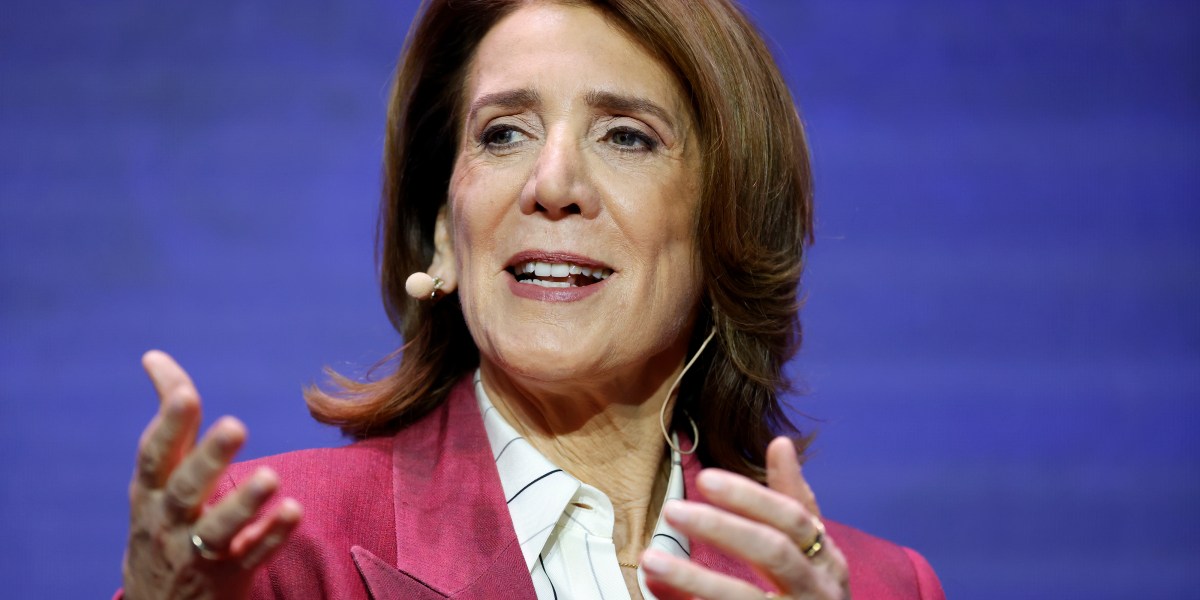
Source: Fortune
Summary
Ruth Porat, Alphabet’s president and chief investment officer, said the company expects capital expenditures to “increase significantly” in 2027 as it builds out AI capacity. She emphasized that demand for compute power remains strong across enterprise, government, and platform users. Alphabet raised its 2026 capex forecast to $205 billion, which led to a 6% stock drop. In Q2, capital expenditures hit $44.9 billion, with most spent on AI infrastructure. Free cash flow turned negative for the first time in over 20 years. Google Cloud revenue rose 82% to $24.8 billion, with operating profit tripling to $8.8 billion.
Our Reading
The numbers tell one story.
Alphabet is spending billions on AI, calling it a long-term opportunity.
Investors are skeptical, reacting negatively to the scale of spending.
Porat insists demand justifies the investment, despite risks.
The company is betting on AI as a long-term growth engine.
Author: Evan Null
Alphabet’s AI Spending Spree
Alphabet is investing heavily in AI, with a projected $200 billion spent this year. The company’s president and chief investment officer, Ruth Porat, emphasized that this is just the beginning, with even more spending planned for next year. She said demand for compute power is growing rapidly, and Alphabet is in the “buildout” phase. The company has already raised its 2026 capital expenditures forecast to $205 billion, a move that caused its stock to drop 6% the next day.
Wall Street’s Skepticism
Investors are not convinced that Alphabet’s massive spending will pay off. The stock fell sharply after the company raised its capex outlook, signaling that Wall Street is wary of the financial risks. The AI spending is already reshaping Alphabet’s finances, with capital expenditures hitting $44.9 billion in Q2. That pushed free cash flow into negative territory for the first time in over 20 years. Despite this, Google Cloud’s revenue surged 82% to $24.8 billion, and operating profit more than tripled to $8.8 billion.
Porat’s Optimism
Ruth Porat remains bullish on AI, arguing that the demand for compute power is strong and justifies the investment. She dismissed concerns about potential capital destruction, saying it’s illogical to believe that strong demand won’t lead to returns. Porat emphasized that Alphabet’s strategy is long-term, rooted in a 2016 shift to “AI first.” She also highlighted the need for responsible AI deployment and long-term growth, rather than short-term competition.
Resistance to Data Centers
Despite the investment, there is growing resistance to the data centers needed for AI. A Gallup poll found that 71% of Americans don’t want a data center in their community. Porat acknowledged this, but argued that local benefits like jobs and energy investments can shift public opinion. She pointed to Google’s investments in renewable energy and its partnership with Ford, BlackRock, and Carhartt to train workers for the AI buildout.
Learning from the 2008 Crisis
Porat has experience navigating major financial crises. During the 2008 crisis, she worked with Treasury Secretary Hank Paulson and advised on Fannie Mae, Freddie Mac, and AIG. She said the key lesson was to identify vulnerabilities early and fortify against them. Today, she sees falling behind on AI as the biggest risk for companies. “If anyone is connecting with your customers in ways that you are not, you’re at a competitive disadvantage,” she said.