Source: Fox News Digital
Summary
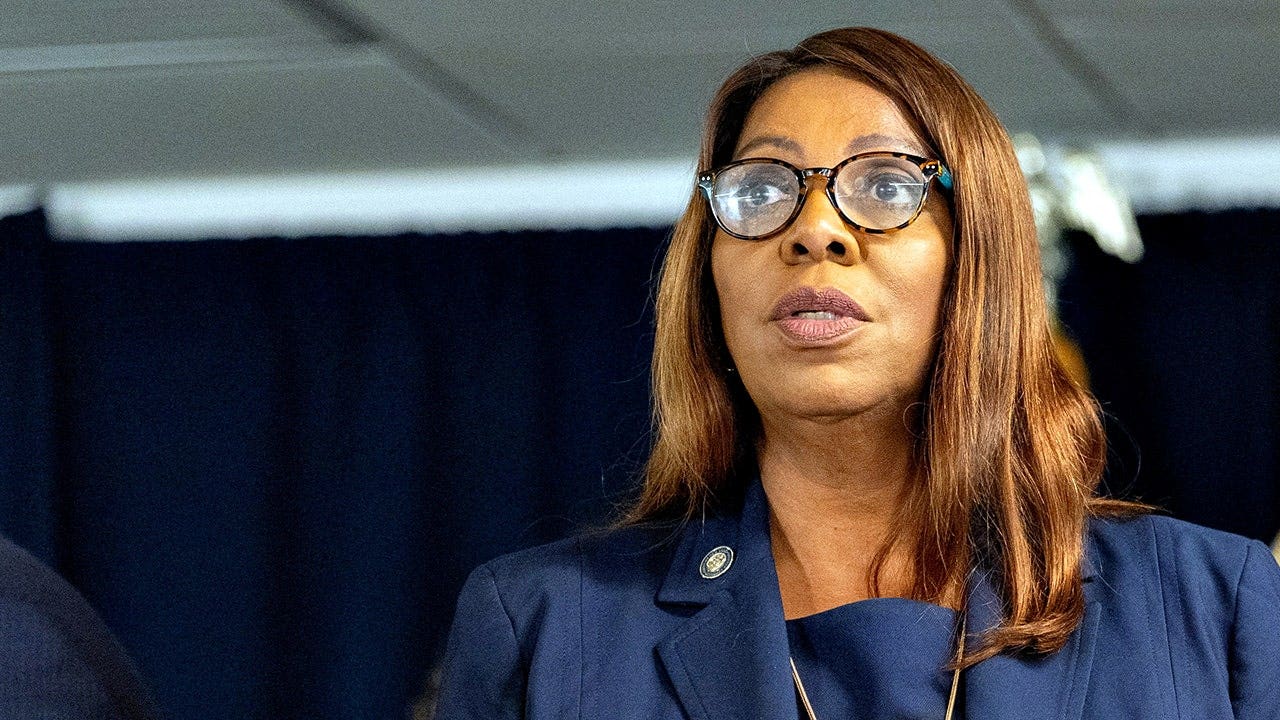
New York Attorney General Letitia James has pledged to investigate the Cornell University gang rape allegations, despite past accusations that she ignored misconduct against her former chief of staff. A 2022 lawsuit by former deputy press secretary Sofia Quintanar alleged James failed to address misconduct by Ibrahim Khan, her chief of staff. A New York judge dismissed the claims against James in 2025, and an appellate court upheld the decision in 2026. The case has resurfaced after Governor Kathy Hochul appointed James as special prosecutor in the Cornell case. James has faced calls to recuse herself after posting public support for the alleged victim, with defense attorneys arguing her comments could affect the investigation.
Our Reading
As expected, the matter has reached another stage.
James pledges a full investigation into Cornell.
Her past misconduct allegations resurface with new attention.
She posts support for the victim, then faces calls to step aside.
Public scrutiny turns to how past actions shape current trust.
Author: Evan Null
Background on the Cornell Case
The Cornell University gang rape allegations have drawn national attention, with seven men accused of involvement in the incident. The case has sparked a political firestorm, with conflicting accounts from those involved. The alleged victim, a student, has described the experience as traumatic, while the accused have denied the allegations. The case has raised questions about the handling of sexual assault on college campuses and the role of law enforcement in such cases.
The incident occurred in October 2024 at a fraternity house associated with Cornell University. The alleged victim reported the assault to campus authorities, leading to an investigation by local law enforcement. The case has since been escalated to the New York Attorney General’s Office, which has taken over the investigation. The involvement of the Attorney General’s Office has added a layer of complexity, given the political implications of the case.
The allegations have also brought renewed scrutiny to a little-known New York law regarding intoxicated victims. This law has been criticized for potentially complicating the prosecution of sexual assault cases, as it requires proof that the victim was so intoxicated that they could not consent. Critics argue that this law places an unfair burden on victims and may discourage them from coming forward.
The case has also drawn attention to the broader issue of sexual misconduct in political and institutional settings. The involvement of high-profile figures, such as New York Attorney General Letitia James, has amplified the public interest in the case. The political ramifications of the case are significant, as it has the potential to influence public perception of law enforcement and the justice system.
The case has also highlighted the challenges faced by victims of sexual assault in navigating the legal and institutional systems. The alleged victim has spoken out about the difficulties she faced in getting support and justice, while the accused have maintained their innocence. The case continues to unfold, with ongoing investigations and legal proceedings that will determine the outcome.
Previous Allegations Against Letitia James
Letitia James, the New York Attorney General, has faced previous allegations of mishandling sexual misconduct claims against her former chief of staff, Ibrahim Khan. These allegations came to light through a 2022 lawsuit filed by Sofia Quintanar, a former deputy press secretary. Quintanar accused James of failing to address Khan’s alleged misconduct, including a 2021 incident where he allegedly forcibly kissed her at a political fundraiser. The lawsuit claimed that James protected Khan from the fallout and did not keep Quintanar informed about the investigation.
The lawsuit also referenced earlier accusations involving Angel Dubose, a former employee who claimed she was drugged and sexually assaulted at a 2014 holiday party while James served as New York City’s public advocate. Although the allegations against Khan were investigated, no charges were filed, and the case was eventually dismissed. The appellate court upheld the dismissal of Quintanar’s claims against James, stating that the lawsuit failed to show that James knew about Khan’s alleged misconduct.
James has maintained that she referred Dubose’s allegations to law enforcement and other agencies after learning of them in 2017. The Manhattan district attorney’s office and New York City’s Department of Investigation closed their investigations without filing charges. James described the allegations as “unsubstantiated” in a 2022 interview. However, the lawsuit claimed that James made “misleading statements” to the press about Khan’s whereabouts during the investigation.
The case has raised questions about the handling of sexual misconduct within the New York Attorney General’s Office. The allegations against James have been a source of controversy, with critics arguing that she did not take the claims seriously enough. The case has also brought attention to the broader issue of how institutions handle sexual misconduct, particularly when high-profile individuals are involved.
The legal proceedings have been complex, with the appellate court allowing a federal civil rights claim against Khan to proceed and reviving retaliation claims against Khan and James’ re-election campaign. The investigation into Khan’s conduct substantiated the allegations, leading to his resignation in November 2022. The case has continued to draw public attention, with ongoing discussions about the role of leadership in addressing sexual misconduct.
Public and Political Reactions
The Cornell sexual assault case has sparked a wave of public and political reactions, with many expressing concern over the handling of the allegations. Critics have pointed to the involvement of New York Attorney General Letitia James, given her previous controversies regarding sexual misconduct claims. The case has reignited discussions about the credibility of the Attorney General’s office and the potential for conflicts of interest in high-profile investigations.
Sam Antar, a fraud investigator based in New York, has been vocal about the situation, questioning the decision to appoint James as special prosecutor. Antar raised concerns about the timing of James’ public statements supporting the alleged victim, suggesting that they could compromise the investigation. He argued that the public should also be concerned about how James handled her own aide’s allegations of misconduct.
Andrew Miltenberg, an attorney representing one of the accused students, filed a court petition requesting that James be removed from the case. Miltenberg argued that James’ public comments raised concerns about her ability to impartially evaluate the evidence. He emphasized that the comments could affect the potential jury pool in a criminal case, as public statements by prosecutors can influence perceptions of fairness.
Former federal prosecutor Neama Rahmani also expressed concerns about James’ public comments, stating that it is problematic for a prosecutor to comment on a case before the investigation is concluded. Rahmani noted that such comments could taint the jury pool if criminal charges are filed. However, he acknowledged that James likely did not anticipate being appointed when she made the remarks, though defense attorneys could still raise concerns about her involvement.
Despite the criticism, Governor Kathy Hochul has defended her decision to appoint James, stating that she has every confidence in the Attorney General’s ability to handle the case. Hochul emphasized that James would follow the facts and the law, as she has done in the past. James herself has pledged to be guided by the facts and the law, stating that her office takes the responsibility of the investigation seriously.
Legal and Institutional Responses
The legal and institutional responses to the Cornell sexual assault case have been multifaceted, with various agencies and officials weighing in on the matter. The New York Attorney General’s Office has taken over the investigation, with Letitia James leading the effort. The decision to appoint James as special prosecutor has drawn scrutiny, particularly given her past controversies regarding sexual misconduct claims. The case has also brought attention to the legal processes involved in handling such allegations, including the role of the courts and the potential for appeals.
The case has been subject to multiple legal proceedings, with a New York judge dismissing the claims against James in 2025 and an appellate court upholding the decision in 2026. The appellate court allowed a federal civil rights claim against Khan to proceed, while also reviving retaliation claims against Khan and James’ re-election campaign. These legal developments have highlighted the complexities of handling sexual misconduct allegations within institutional settings.
The investigation into Khan’s conduct substantiated the allegations, leading to his resignation in November 2022. The case has also brought attention to the broader issue of how institutions handle sexual misconduct, particularly when high-profile individuals are involved. The legal proceedings have been closely followed, with ongoing discussions about the role of leadership in addressing such issues.
The case has also raised questions about the legal framework surrounding sexual assault, particularly in relation to the New York law on intoxicated victims. This law has been criticized for potentially complicating the prosecution of sexual assault cases, as it requires proof that the victim was so intoxicated that they could not consent. Critics argue that this law places an unfair burden on victims and may discourage them from coming forward.
The legal and institutional responses to the case continue to evolve, with ongoing investigations and legal proceedings that will determine the outcome. The case has also highlighted the challenges faced by victims of sexual assault in navigating the legal and institutional systems, as well as the broader implications for how such cases are handled in the future.
Public Discourse and Media Coverage
The Cornell sexual assault case has generated significant public discourse and media coverage, with various outlets highlighting the complexities of the situation. The case has been the subject of extensive reporting, with news organizations focusing on the legal proceedings, the involvement of high-profile figures, and the broader implications for how sexual misconduct is handled in institutional settings. The media coverage has brought attention to the challenges faced by victims of sexual assault and the potential for institutional failures in addressing such cases.
News outlets such as Fox News Digital have provided in-depth coverage of the case, including the legal developments, the involvement of the New York Attorney General’s Office, and the reactions from various stakeholders. The coverage has included interviews with legal experts, political figures, and individuals involved in the case, offering a range of perspectives on the matter. The media has also highlighted the public and political reactions, with discussions about the credibility of the Attorney General’s office and the potential for conflicts of interest in high-profile investigations.
The case has also been the subject of social media discussions, with figures such as Sam Antar and Lattina Brown raising concerns about the handling of the allegations. These discussions have contributed to the public discourse, with many questioning the decisions made by officials and the impact on the victims involved. The media coverage has played a crucial role in shaping public perception of the case, with ongoing debates about the fairness of the legal process and the treatment of victims.
The media’s role in the case has been significant, with coverage that has brought attention to the legal and institutional responses, as well as the broader implications for how sexual misconduct is addressed in society. The coverage has also highlighted the challenges faced by victims in seeking justice, as well as the potential for institutional failures in handling such cases. The media’s continued focus on the case has ensured that it remains a topic of public interest and discussion.
The case has also sparked conversations about the role of the media in reporting on sensitive issues, with some arguing that the coverage has been balanced and informative, while others have raised concerns about the potential for sensationalism. The media’s coverage has contributed to the ongoing public discourse, with continued discussions about the legal and institutional responses to the case, as well as the broader implications for how sexual misconduct is handled in the future.