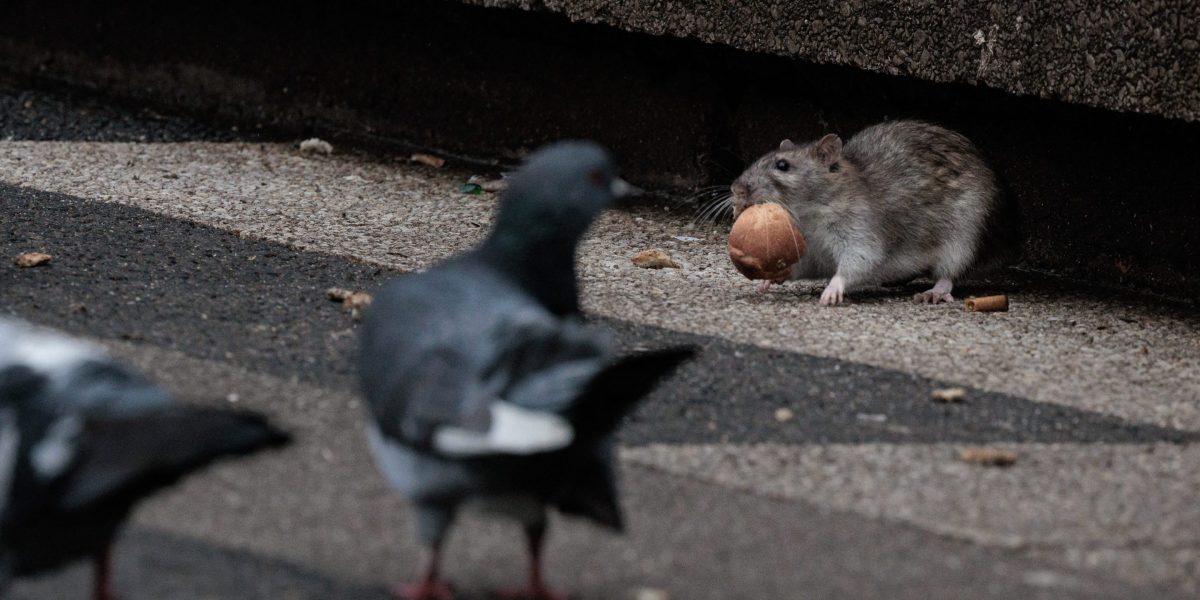
Source: Fortune.com
Summary
Chicago officials are considering legal action against Barre Seid, a billionaire GOP donor, over allegations that his squirrel-feeding operations in Lincoln Park are contributing to a rat infestation. Ald. Timmy Knudsen has sent Seid a final warning, citing repeated violations of city code. Park District officials are still evaluating their options. Seid has paid all fines without contesting them, and the feeding has reportedly increased since the city began ticketing. The issue has drawn concern from neighbors and local officials.
Our Reading
The numbers tell one story.
Seid, a political donor, feeds squirrels in a park.
City officials say it’s causing rats.
Fines have been paid, but the feeding continues.
It’s a classic case of well-intentioned action with unintended consequences.
Author: Evan Null
Who is Barre Seid?
Barre Seid is a billionaire who built his fortune through Tripp Lite, a Chicago-based company that makes surge protectors and power equipment. He transferred the company to a dark money group linked to conservative legal activist Leonard Leo in 2020 before selling it to Eaton for $1.65 billion in 2021. Tax experts say this structure allowed him to avoid up to $400 million in taxes.
Seid has been a major donor to conservative causes, including the Republican National Committee and the Heartland Institute, a think tank that challenges mainstream climate science. His donations to nonprofits between 1996 and 2018 totaled at least $775 million, mostly anonymously. He has also been known to use fake names to maintain his privacy.
Despite his wealth and influence, Seid has faced scrutiny over his activities in Lincoln Park. Local officials and neighbors say his squirrel-feeding operations are drawing rats, creating a public health hazard. The city has issued multiple citations, but the feeding has continued, leading to calls for legal action.
Chicago has long been known as one of the most rat-infested cities in the U.S., holding the top spot on Orkin’s list for ten consecutive years as of 2024. The issue of wildlife feeding in public spaces has become a growing concern for city officials and residents alike.
Seid’s case highlights the tension between personal habits and public responsibility, especially when those habits are carried out by someone with significant political and financial influence. It also raises questions about the role of anonymous donations and the impact of private actions on public spaces.
The Legal and Public Health Debate
The debate over Seid’s feeding activities has sparked a legal and public health discussion. Ald. Timmy Knudsen has called for the Chicago Park District to take legal action, citing violations of city code that prohibit the accumulation of food that could attract pests. The city has issued multiple citations, but Seid has paid them without contesting the charges.
Neighbors and local officials say the feeding has led to an increase in rats, with evidence of nut shells near rat burrows. Some vendors at Green City Market have reported seeing rats while setting up, further fueling concerns. The city has also raised the possibility that taxpayers may end up covering the cost of any necessary repairs.
Seid’s actions have drawn attention not only for their environmental impact but also for the broader implications of private influence on public spaces. As a major political donor, his activities have sparked a conversation about the balance between individual rights and public welfare.
While Seid has not responded to requests for comment, the situation continues to unfold as city officials weigh their next steps. The case reflects a growing trend of scrutiny over the intersection of private behavior and public responsibility, especially in densely populated urban areas.
The situation also highlights the challenges of enforcing city codes in the face of repeated violations. Despite multiple warnings and citations, the feeding has persisted, raising questions about the effectiveness of current enforcement measures.