Source: Fox News
Summary
The Supreme Court will hear a case involving Nigerian citizen Izuchukwu Ozurumba, who was deported after being accused of providing material support to the Unknown Gunmen, a militant group in Nigeria. The case centers on whether cooking meals for a terrorist organization disqualifies an immigrant from asylum. The Fourth Circuit ruled that Ozurumba’s cooking did not constitute material support, but the Trump administration argues it does. The case could affect how immigration authorities apply terrorism-related asylum bars.
Our Reading
As expected, the matter has reached another stage.
Ozurumba cooked meals for a group labeled as terrorists.
Officials debated whether cooking counts as support.
The court will decide if feeding leaders helps attacks.
Meals become a line in a legal argument.
Author: Evan Null
Background of the Case
Izuchukwu Ozurumba, a Nigerian citizen, was deported in April 2025 after being accused of providing material support to the Unknown Gunmen, a militant group linked to political violence in Nigeria. He was forced to cook meals for the group’s leaders, a situation he described as under threat of violence. The case has now reached the Supreme Court, where the legal interpretation of material support will be reexamined.
Legal Dispute Over Material Support
The core of the case is a provision in the Immigration and Nationality Act that bars immigrants who provide material support to terrorist organizations from receiving asylum. The law does not explicitly define what constitutes material support, leading to legal interpretations. The Fourth Circuit ruled that Ozurumba’s cooking did not qualify as material support, while the Trump administration argues that even ordinary services like cooking can aid terrorist operations.
Supreme Court’s Role in the Case
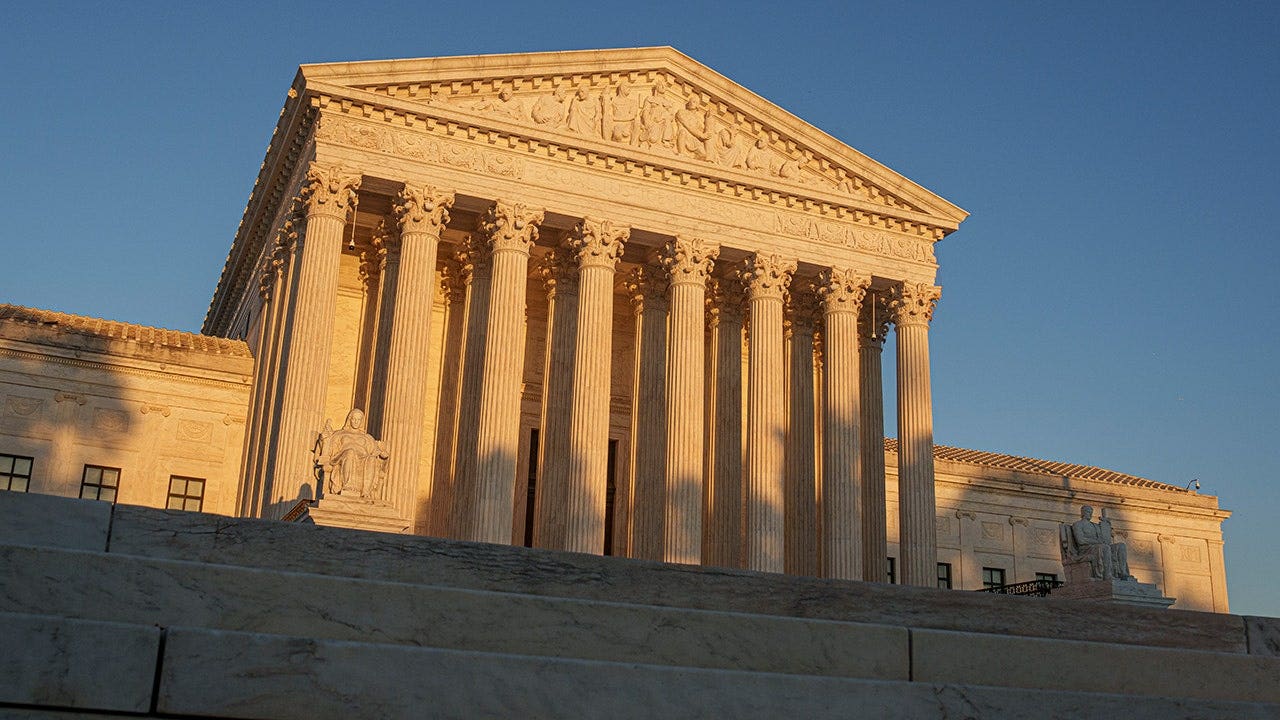
The Supreme Court agreed to hear the Trump administration’s challenge to the Fourth Circuit’s ruling. The case could set a precedent on how broadly immigration authorities can apply the terrorism-related asylum bar. It also comes after the 2024 ruling that overturned Chevron deference, giving judges more authority to interpret ambiguous laws.
Arguments From Both Sides
The Trump administration argues that cooking meals for a terrorist organization helps sustain it, allowing members to focus on attacks. Legal experts like Bryce Poole and Hans von Spakovsky support this view, stating that even basic services can be considered material support. The Fourth Circuit, however, ruled that Ozurumba’s cooking did not directly aid terrorist operations and did not meet the threshold for material support.
Unresolved Questions and Implications
The case leaves open whether assistance provided under duress can be considered material support. The Fourth Circuit did not address this issue, and the Supreme Court may need to clarify it. Even if the court rules in favor of the Trump administration, Ozurumba’s case would still need to be reconsidered by immigration authorities, and his return to the U.S. is not guaranteed.