Source: Fortune.com
Summary
Canadian Prime Minister Mark Carney urged Albertans to reject a referendum on independence, calling it a dangerous gamble amid rising threats to Canada’s sovereignty. He warned that the vote could lead to years of uncertainty and lost opportunities. The referendum, not a direct vote on separation, asks whether Alberta should begin the legal process for a future independence vote. Carney emphasized his ties to the province and criticized federal energy policies that alienated Albertans. Alberta’s Premier Danielle Smith, who opposes independence, praised Carney for improving relations with the province.
Our Reading
The numbers tell one story.
Carney warns of danger, but the vote is not about independence yet.
Smith and Carney appear united, but they disagree on other issues.
Albertans are split, with some calling the vote unnecessary.
Trump’s threats add pressure, but the real fight is within Canada.
Author: Evan Null
Carney’s Final Appeal
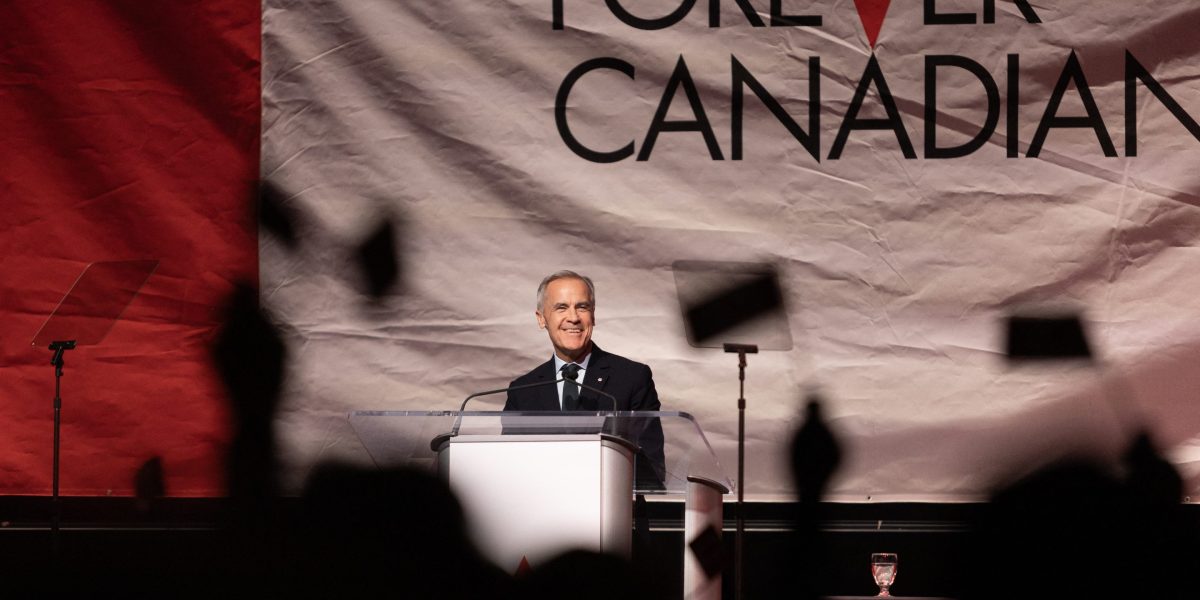
Canadian Prime Minister Mark Carney made a final push to sway Albertans against a referendum on independence. He warned that the vote could destabilize the country and warned against taking the outcome for granted. Carney emphasized the risks of a “dangerous bluff” and called for unity.
The referendum is not a direct vote on separation. Instead, it asks whether Alberta should begin the legal process for a future independence vote. Carney argued that the timing is bad, with threats to Canada’s sovereignty from outside forces.
Carney’s message was clear: the vote is not a game, and the outcome will determine the future of Alberta and Canada. He urged Albertans to consider the long-term consequences of their decision.
Despite his warnings, some Albertans believe the vote was unnecessary. Critics say the referendum was called without broad support and that it could deepen divisions within the province.
Carney’s appeal came after two days of campaigning against separation. He joined Alberta’s Premier Danielle Smith in a show of unity, though they remain divided on other issues.
Smith’s Role in the Referendum
Alberta’s Premier Danielle Smith called the referendum despite opposing independence. She cited a poll showing 22% of Albertans support separation, a figure she said was still too high. Smith has faced pressure from separatists within her own party, including former Premier Jason Kenney.
Kenney said the independence movement gained influence within the United Conservative Party, fueled by anger over pandemic restrictions and conspiracy theories. Some within the party have embraced separatism, adding to the complexity of the situation.
Smith has worked to improve relations with the federal government, particularly with Prime Minister Mark Carney. She praised Carney for addressing some of Alberta’s concerns, including federal energy policies.
Despite her opposition to independence, Smith has called for the referendum, saying it is necessary to address the concerns of Albertans. She has also pushed for voters to approve other questions on the ballot, including those related to immigration and provincial powers.
Some Albertans who want to remain in Canada are frustrated with Smith for calling the vote. They argue that the referendum is being driven by a small group of activists and that it could harm the province’s relationship with the federal government.
Political Unity Against Separation
Prime Minister Mark Carney and Alberta’s Premier Danielle Smith have united in their opposition to independence. They have worked together to address concerns from Albertans and improve relations between the province and the federal government.
Carney’s chief political rival, federal Conservative leader Pierre Poilievre, also urged Albertans to remain in Canada. He called on them to “lock arms” with their fellow Canadians and reject the idea of separation.
Despite their agreement on keeping Alberta in Canada, Carney and Smith remain divided on other issues. Smith wants voters to approve questions on immigration and provincial powers, while Carney has urged their rejection.
The political leaders’ message is clear: Alberta and Canada are moving forward together. Smith said it is the first time in a long time that the two have been aligned on key issues.
However, the referendum remains a sensitive topic. Some Albertans believe the vote was unnecessary and that it could create more division than unity. The outcome will determine the future of the province and its relationship with the federal government.
Public Reaction and Concerns
Outside the Edmonton rally, Alberta independence supporters waved flags and criticized Carney’s message. They argued that the vote should not have been called and that it is being driven by a small group of activists.
Some Albertans who want to remain in Canada are frustrated with Premier Danielle Smith for calling the vote. They believe it is being used to distract from other issues and that it could harm the province’s relationship with the federal government.
Deb Lee, a retired Calgary resident, said it is a “travesty” to put the province and country through the referendum when only a small portion of people are pushing for separation. She voted in advance to remain in Canada.
Independence advocate Tanya Clemens dismissed the agreements between Carney and Smith as “basically pinky promises” that came with too many conditions. She argued that the federal government has not done enough to address Alberta’s concerns.
Despite the concerns, the referendum is moving forward. The outcome will determine whether Alberta begins the legal process for a future independence vote, a decision that could have long-term consequences for the province and the country.
Trump’s Influence and National Security
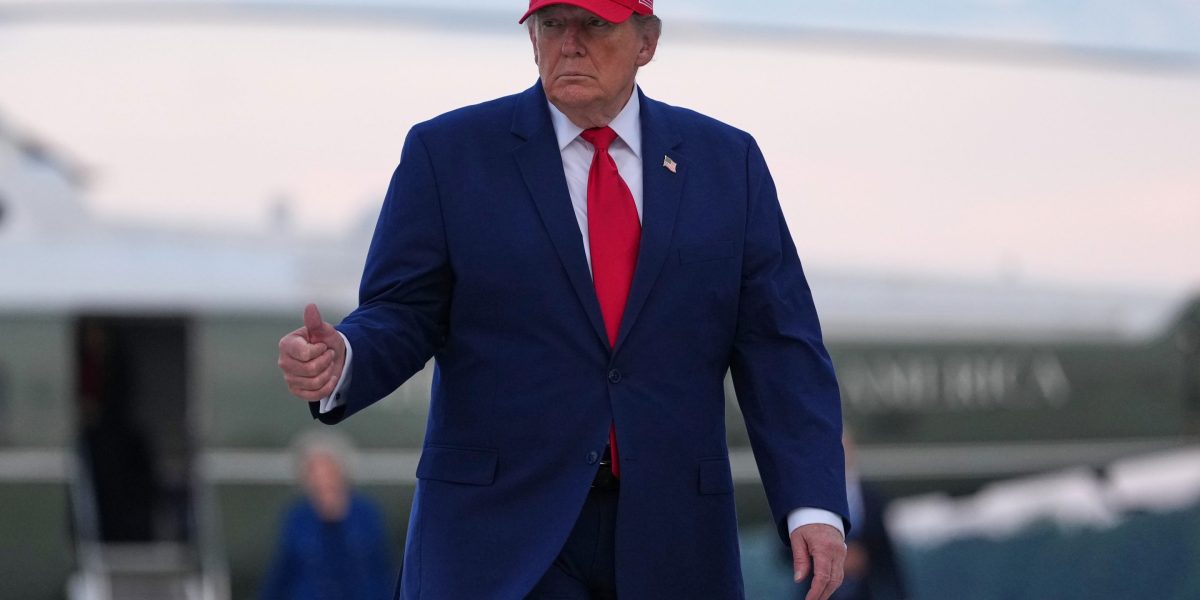
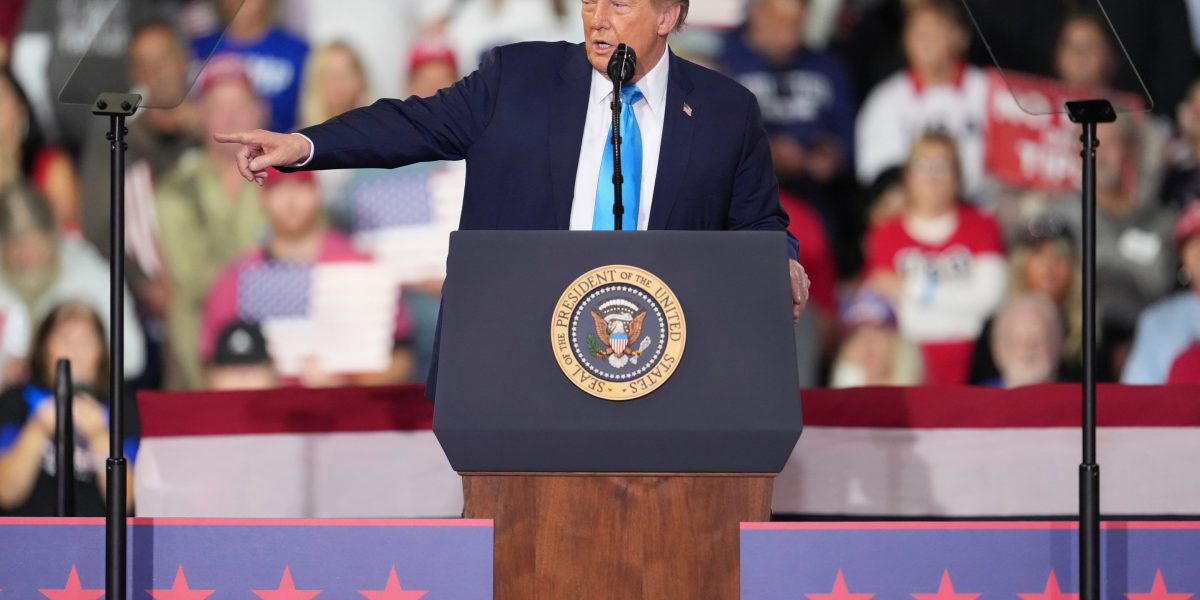
Prime Minister Mark Carney warned that outside forces, including U.S. President Donald Trump, are working to break Canada apart. He called Trump’s trade war and threats to make Canada the 51st state a serious threat to the country’s sovereignty.
Carney’s message resonated with many Albertans, who have long been concerned about the province’s economic dependence on the United States. At rallies in Edmonton and Calgary, the crowd erupted in applause when he spoke about reducing that dependence.
Alberta is home to most of Canada’s proven oil reserves, making it a key player in the country’s energy sector. The province has often clashed with the federal government over energy policies, including the carbon tax and pipeline projects.
Carney acknowledged these tensions, saying he grew up remembering how Ottawa made Albertans feel like their resources weren’t their own. He also emphasized his deep ties to the province, calling it his home and saying it gave him everything.
As the referendum approaches, the stakes are high. The outcome could determine the future of Alberta and its relationship with the federal government, with outside forces like Trump adding to the uncertainty.