Source: Fortune.com
Summary
The Houthi-run Health Ministry in Yemen reported an airstrike killed at least nine people, including five children and two women, in Saada province. The strike, blamed on Saudi Arabia, occurred as fighting between Houthi rebels and Saudi-backed forces resumes. Meanwhile, the U.S. ambassador to Israel condemned a settler attack on a Washington Post journalist, calling it a “despicable act of terror.” The attack left the journalist with serious injuries. Egypt’s National Defense Council agreed to support Saudi Arabia in its conflict with the Houthis, while Iran appointed a new defense minister and vowed to respond to any threats from the U.S. or Israel.
Our Reading
The numbers tell one story.
At least nine dead in Yemen, five children among them.
Saudi denies responsibility, but Houthi blame them anyway.
American journalist beaten, camera stolen, by settlers in West Bank.
U.S. condemns, but Israel stays quiet on the attack.
Iran vows to respond to any miscalculation by the U.S. or Israel.
War, in its many forms, is never far from the headlines.
Author: Evan Null
Escalation in Yemen
An airstrike in Saada province, Yemen, killed at least nine people, including five children and two women, according to the Houthi-run Health Ministry. The strike, which also injured 19 people, was blamed on Saudi Arabia, though no official statement was released from Riyadh. Fighting between Houthi rebels and Saudi-backed forces has reignited after a four-year ceasefire, signaling a new phase of the ongoing conflict.
The Houthi rebels, backed by Iran, have been targeting Saudi Arabia, which supports Yemen’s internationally recognized government. The recent escalation comes as the Saudi-led coalition struggles to counter Houthi attacks, despite having superior U.S.-supplied arms. The situation in Yemen remains volatile, with the potential for further casualties and regional instability.
The Houthis claim to have downed a Saudi helicopter, adding to the tension. The Saudi military attributed the crash to a technical malfunction, but the Houthi claim highlights the ongoing conflict. The region is witnessing a resurgence of violence, with both sides engaging in military actions that could lead to further casualties and displacement.
As the fighting continues, the humanitarian situation in Yemen deteriorates. The country has been in a state of civil war for years, with millions in need of aid. The recent escalation threatens to worsen the crisis, as both sides continue to engage in hostilities without a clear path to peace.
The international community remains on edge, with concerns about the potential for further regional conflict. The involvement of external powers, such as Iran and the U.S., complicates the situation, making it difficult to predict the outcome of the ongoing hostilities.
Settler Violence in the West Bank
The U.S. ambassador to Israel, Mike Huckabee, condemned a settler attack on a Washington Post journalist, Heidi Levine, calling it a “despicable act of terror.” The attack left Levine with serious injuries, including broken ribs and hand surgery. Settlers reportedly beat her for over 10 minutes, stole her camera, passport, and phone, and forced her to the ground.
Israeli Prime Minister Benjamin Netanyahu remained ambiguous in his response, condemning “violence against anyone” but referring to the attack as “alleged” and stating that the circumstances were unclear. Huckabee emphasized that Levine was clearly identified as a journalist, highlighting the need for a full investigation and prosecution of those involved.
Settler violence against Palestinians has increased this year as Israel prepares for elections on October 27. The Washington Post has called for a full and transparent investigation, but Israel rarely investigates such incidents thoroughly. The lack of accountability for settler violence raises concerns about the safety of journalists and civilians in the region.
The attack on Levine is part of a broader pattern of settler violence that has intensified in recent months. European diplomats were also attacked in the West Bank, further highlighting the instability in the region. The situation remains tense, with concerns about the potential for further violence and escalation.
The U.S. has expressed concern over the attack, but the lack of a clear response from Israeli authorities raises questions about the effectiveness of diplomatic efforts to curb settler violence. The situation in the West Bank continues to be a source of tension, with the potential for further violence and instability.
Egypt’s Military Support for Saudi Arabia
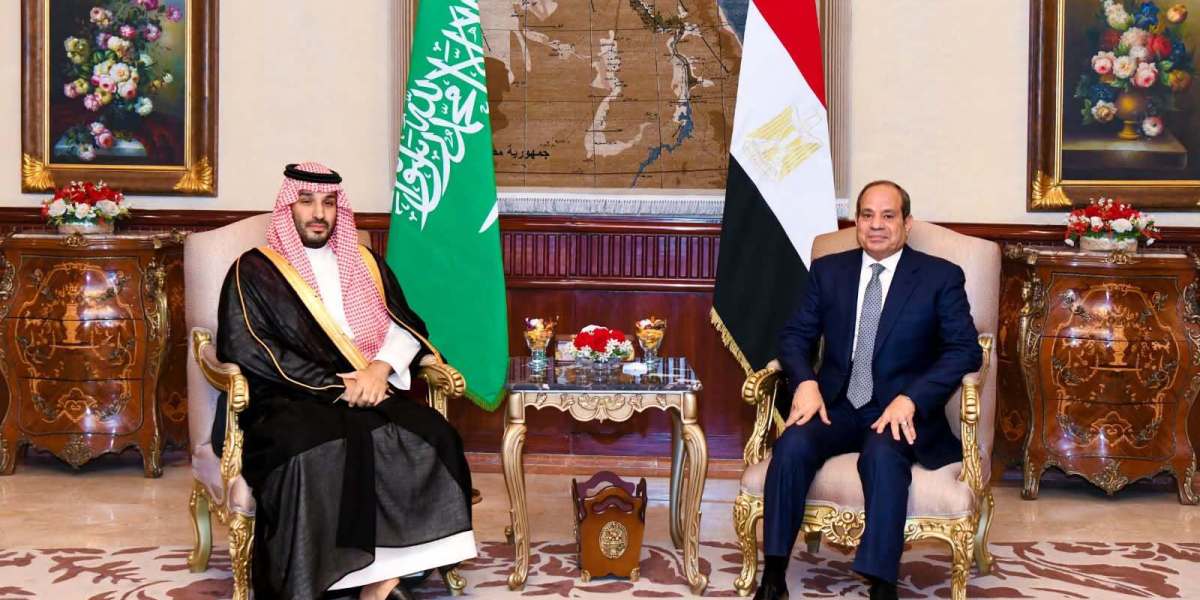
Egypt’s National Defense Council, chaired by President Abdel-Fattah el-Sissi, has agreed to provide defense support to Saudi Arabia in its conflict with the Iran-backed Houthi rebels in Yemen. The council stated it would offer “all possible forms of support” to ensure Saudi Arabia’s security and stability. However, no specific details were provided about the nature of the support.
El-Sissi called for parliament to authorize the deployment of troops and military equipment abroad, stating that his government would implement “any measure” to defend Saudi Arabia. The Egyptian parliament convened to discuss the matter, with deliberations continuing into the following day. The move signals Egypt’s close alignment with Saudi Arabia in the region.
Egypt has historically been a key ally of Saudi Arabia, and this decision underscores their shared concerns over the Houthi threat. The support comes as Saudi Arabia faces increasing pressure from Houthi attacks, which have targeted its territory and infrastructure. Egypt’s involvement could further complicate the regional dynamics, adding another layer of military engagement.
The decision by Egypt to support Saudi Arabia highlights the broader regional tensions and the growing involvement of external powers in the Yemen conflict. The Houthi rebels, backed by Iran, continue to pose a challenge to Saudi Arabia and its allies, with the potential for further escalation in the region.
The support from Egypt could have significant implications for the balance of power in the region. As both countries work to counter the Houthi threat, the situation remains volatile, with the potential for further military actions and regional instability.
Iran’s Defense Minister and Regional Tensions
Iran appointed Mehrdad Akhlaghi, a longtime defense industry official, as the new defense minister. His predecessor, Aziz Nasirzadeh, was killed in the initial U.S.-Israeli attacks on February 28, along with Supreme Leader Ayatollah Ali Khamenei and several senior Iranian military commanders. The appointment comes amid heightened tensions in the region, with Iran vowing to respond to any threats from the U.S. or Israel.
Akhlaghi vowed that any miscalculation by Israel or the U.S. would result in a “surprising and extensive” response. Iranian President Masoud Pezeshkian also emphasized that Iran would not yield to pressure or demands from other countries. The new defense minister’s appointment signals a shift in Iran’s military leadership, with a focus on strengthening national defense.
The appointment follows the death of several high-ranking Iranian officials in the early stages of the conflict. The loss of key military leaders has raised concerns about the stability of Iran’s leadership and its ability to respond to external threats. The new defense minister’s role is critical in shaping Iran’s military strategy and response to regional challenges.
Iran’s stance reflects its determination to defend itself against perceived threats from the U.S. and Israel. The country has consistently warned of a strong response to any aggression, and the new defense minister’s statements reinforce this position. The region remains on high alert, with the potential for further escalation in the coming weeks.
The appointment of Akhlaghi and the statements from Iranian leaders highlight the ongoing tensions in the region. As both Iran and its adversaries continue to prepare for potential conflict, the situation remains unpredictable and volatile.
U.S. Response to Iran’s Proposal
Iran’s top diplomat, Foreign Minister Abbas Araghchi, said the country is reviewing the U.S. response to its latest proposal to end the eight-month war. The proposal included conditions such as the reopening of the Strait of Hormuz, lifting the U.S. blockade of Iranian ports, releasing frozen assets, and waiving sanctions on Iranian oil sales. While President Donald Trump publicly rejected the proposal, indirect communication has continued.
Araghchi stated that if the U.S. complies with the conditions, the Strait of Hormuz would reopen on the sixth day, and negotiations would begin on the seventh day. The proposal reflects Iran’s efforts to find a diplomatic solution to the ongoing conflict, but the U.S. has remained firm in its stance.
The U.S. has maintained a strict policy toward Iran, with sanctions and military presence in the region. The recent proposal by Iran has not been met with a clear response from Washington, leaving the situation in a state of uncertainty. The lack of a definitive U.S. response has left Iran in a position of waiting for further developments.
The Strait of Hormuz is a critical shipping lane, and its control has been a point of contention between Iran and the U.S. The reopening of the strait would have significant implications for global trade and regional stability. However, the U.S. has not indicated any willingness to lift sanctions or ease its stance on Iran.
The ongoing diplomatic efforts between Iran and the U.S. remain stalled, with both sides holding firm to their positions. The situation in the region remains tense, with the potential for further escalation if no resolution is reached. The outcome of these negotiations could have far-reaching consequences for the Middle East and global trade.