
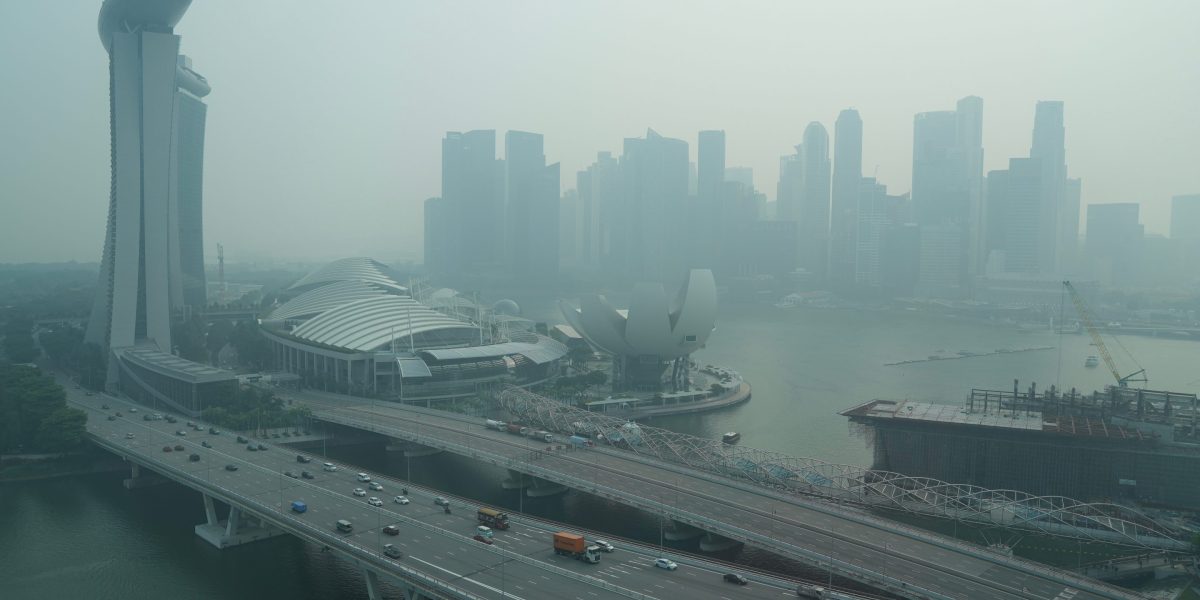
Source: Fortune.com
Summary
Singapore’s National Environment Agency issued preventive notices to three additional Indonesian companies in Kalimantan province to address potential smoke from forest fires that could affect the city-state. This brings the total to 10 companies targeted under the Transboundary Haze Pollution Act. The notices require companies to prevent fires, stop burning, and submit action plans. The agency clarified that the notices do not confirm legal responsibility but allow for prosecution if requirements are not met. The fires have caused severe haze across Southeast Asia, affecting air quality and daily life.
Our Reading
The numbers tell one story.
Singapore targets 10 Indonesian companies over haze.
Three more added for Kalimantan fires.
Notices demand fire prevention and action plans.
Companies face legal risks if they don’t comply.
The haze is a preventable crisis, not just an act of nature.
Author: Evan Null
Background on the Haze Crisis
The haze crisis in Southeast Asia has been a recurring issue, particularly during the dry season when forest and land fires in Indonesia often spread across borders. These fires, often linked to illegal land clearing for agriculture, have led to severe air pollution in neighboring countries like Singapore and Malaysia. The situation has worsened in recent years, with large areas of land being burned and smoke affecting millions of people.
Singapore’s Legal Actions
Singapore has taken legal steps to hold Indonesian companies accountable for the haze. The Transboundary Haze Pollution Act allows the country to issue preventive notices to companies suspected of causing fires that affect Singapore. These notices require companies to take specific actions to prevent or extinguish fires. While the notices do not confirm legal responsibility, they serve as a warning that companies could face penalties if they fail to comply.
Impact on Air Quality and Health
The smoke from the fires has led to unhealthy and hazardous air quality in parts of Singapore and other neighboring countries. This has resulted in school closures, public health advisories, and disruptions to daily life. The haze has also turned skies orange in parts of Kalimantan, highlighting the severity of the situation. The health effects of prolonged exposure to such pollution are a growing concern for residents in the region.
Indonesia’s Response and Challenges
Indonesia has faced criticism for its handling of the fires, with some officials downplaying the severity of the crisis. The country’s Forestry Ministry has recorded extensive areas of burned land, and independent estimates suggest even larger areas have been affected. While Indonesian President Prabowo Subianto has taken steps to address the issue, including accepting foreign assistance and implementing stricter regulations, the situation remains challenging.
Corporate Responsibility and International Pressure
Singapore’s Coordinating Minister for National Security, K. Shanmugam, has emphasized that the haze crisis is not just an environmental issue but a result of corporate actions. He warned companies involved in the fires that they cannot avoid responsibility and that Singapore will use all legal and regulatory tools to hold them accountable. This includes targeting companies even if they do not have a direct presence in Singapore, highlighting the growing international pressure on businesses to act responsibly.