—
Source: Fox News
Summary
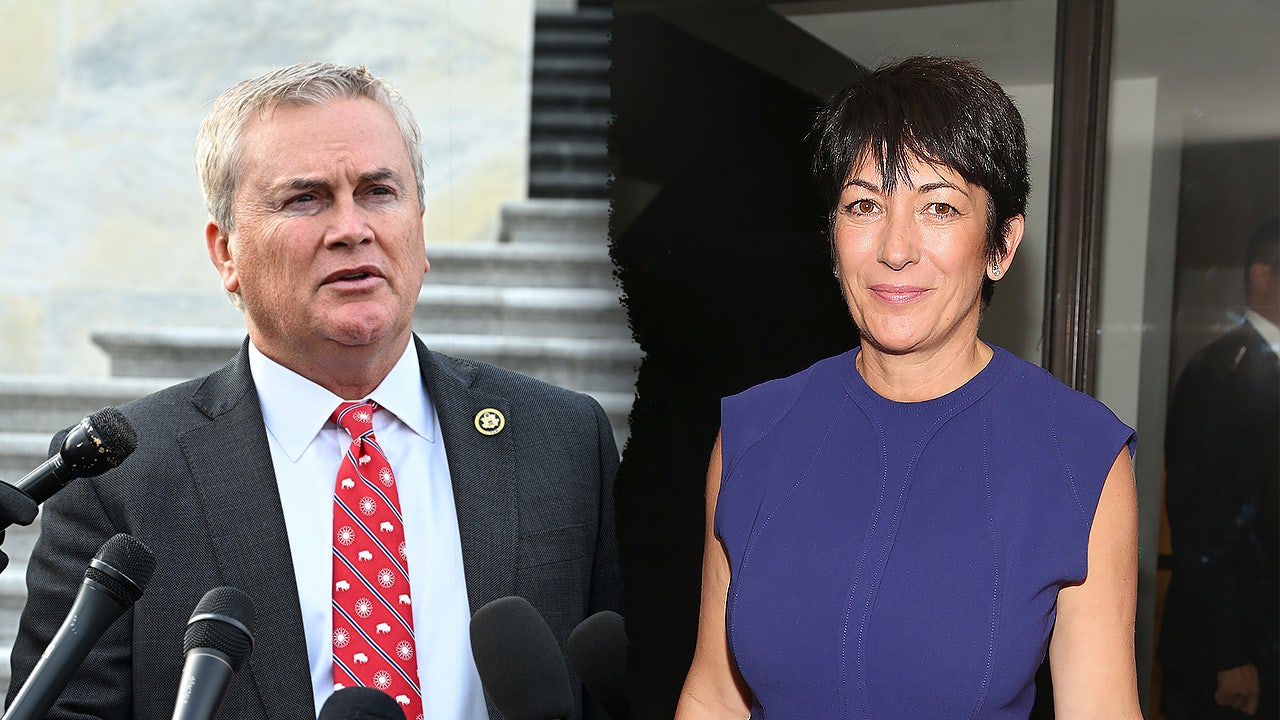
Ghislaine Maxwell, the convicted accomplice of Jeffrey Epstein, appeared before the House Oversight Committee for a closed-door deposition on Monday morning. She pleaded the Fifth Amendment after less than an hour. Maxwell is currently serving a 20-year sentence in a Texas prison. The deposition is part of the committee’s probe into the government’s handling of Epstein’s case.
Our Reading
As expected, the matter has reached another stage.
Ghislaine Maxwell’s deposition ended abruptly after less than an hour, with her pleading the Fifth Amendment. The House Oversight Committee had been trying to schedule the deposition for months, and both sides had anticipated this outcome. Maxwell is currently serving a 20-year sentence in a Texas prison for her role in Epstein’s scheme. The deposition is part of the committee’s probe into the government’s handling of Epstein’s case.
Lawmakers had expected Maxwell to plead the Fifth Amendment, given her previous statements and the nature of the investigation. The deposition was conducted virtually, with Maxwell appearing remotely. The committee’s chairman, James Comer, had announced the deposition late last month, as part of the committee’s efforts to hold former President Bill Clinton and former Secretary of State Hillary Clinton in contempt of Congress for refusing to appear.
The deposition is a clear example of the familiar pattern of evasive answers and legal maneuvering that often accompanies high-profile investigations. In this case, Maxwell’s decision to plead the Fifth Amendment effectively ended the deposition, allowing her to avoid answering questions about her role in Epstein’s scheme.
This is a typical outcome in situations where individuals are faced with the prospect of incriminating themselves or revealing information that could lead to further legal consequences. The deposition serves as a reminder of the complex legal and political dynamics at play in high-profile investigations like this one.