—
Source: Fox News
Summary
A 33-year-old Missouri resident was treated at Northwestern Medicine in Chicago for severe pneumonia and sepsis caused by a flu infection. His lungs were removed due to resistance to antibiotics, and a “total artificial lung system” (TAL) was used to maintain gas exchange and blood flow to the heart. The patient was stable enough to receive a double-lung transplant 48 hours later and has since recovered.
Our Reading
The advice sounds familiar.
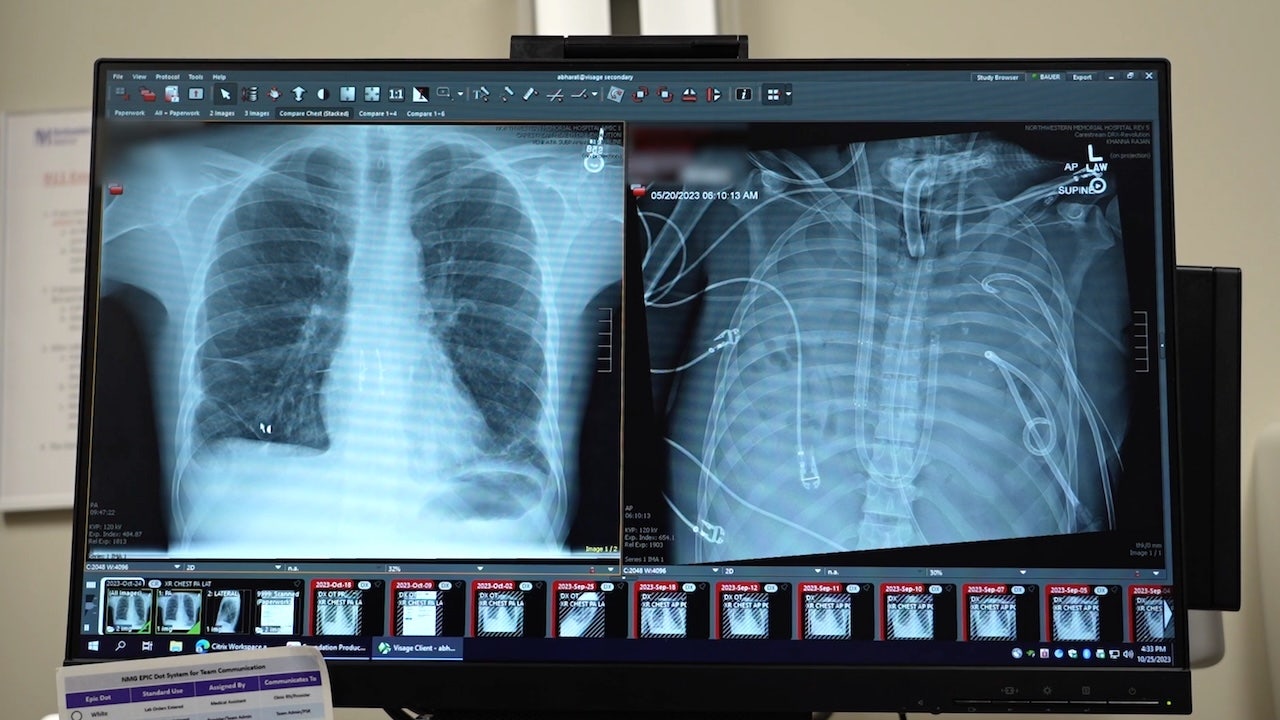
The medical team at Northwestern Medicine in Chicago removed both of a patient’s lungs due to a severe infection caused by a flu infection. The removal was done to stop the spread of the infection, but there was a risk of immediate heart failure. The team used a “total artificial lung system” (TAL) to maintain gas exchange and blood flow to the heart, allowing the patient to stay alive for 48 hours before receiving a double-lung transplant.
This guidance has been heard before, but the specific application of the TAL system is novel. The system includes a self-regulating “shunt” that mimics the natural physics of the lung to protect the heart, and it uses dual return tubes to maintain normal blood flow through the left heart chambers.
This is a rebranding of a familiar situation – using artificial organs to support patients until a transplant can occur. Researchers hope that the TAL system could eventually be a viable strategy for patients with severe acute respiratory distress syndrome (ARDS) along with necrotizing pneumonia or septic shock.
The patient’s case supports the idea that in some severe cases of acute respiratory distress syndrome, transplantation may be the only viable option. The removed lungs showed extensive scarring and damage, supporting the idea that transplantation may be necessary.
This situation is a reminder that health guidance can change and evolve, and that new technologies and strategies can emerge to help patients in critical situations.
—
Author: Evan Null