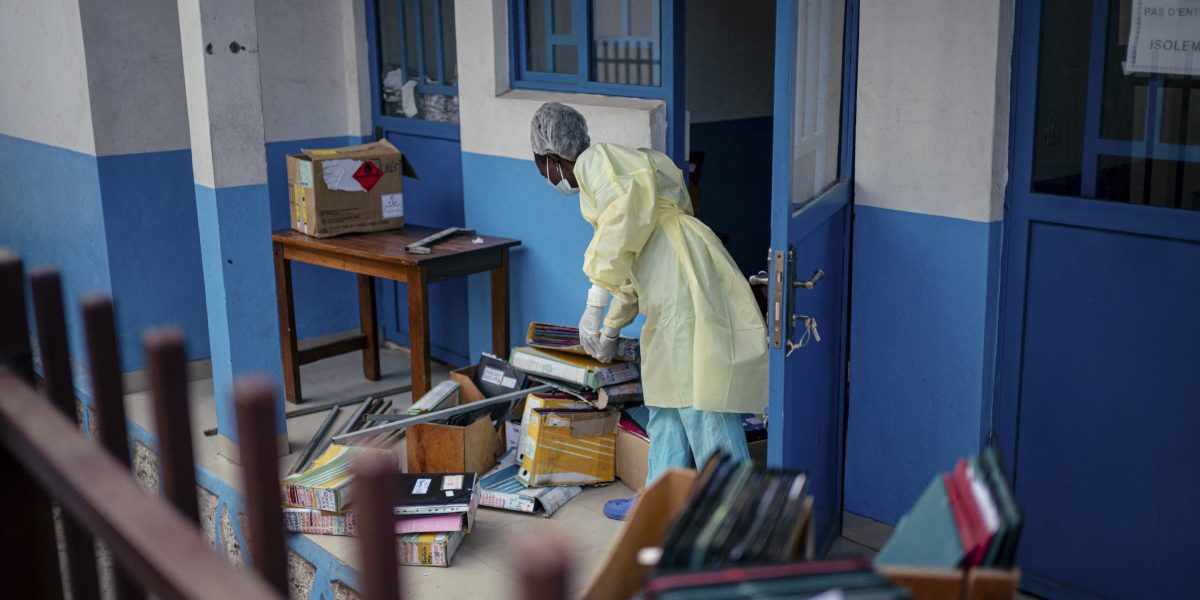
Source: Fortune
Summary
The World Health Organization (WHO) has declared the Ebola disease outbreak in Congo and Uganda a public health emergency of international concern. The outbreak, caused by the rare Bundibugyo virus, has reported 336 suspected cases and 88 deaths in Congo, with two cases also recorded in neighboring Uganda. The WHO’s emergency declaration aims to spur donor agencies and countries into action, but the global response to previous declarations has been mixed. The outbreak started in a remote locality in eastern Congo’s Ituri province and has since spread to other areas, with concerns about further spread due to intense population movement and attacks by armed groups.
Our Reading
The numbers tell one story.
The WHO’s emergency declaration comes with a familiar caveat: no pandemic emergency, but a call for action. The Bundibugyo virus, a rare variant of the Ebola disease, has no approved therapeutics or vaccines, making it harder to fight. Congo’s extensive experience managing Ebola outbreaks may not be enough to contain this unusual strain. The Africa CDC has convened an urgent high-level coordination meeting with health authorities from Congo, Uganda, and South Sudan, but logistical challenges, including bad roads and long distances, may hinder response efforts.
The outbreak’s proximity to Uganda and South Sudan raises concerns about further spread. The WHO has released $500,000 to support the response, but funding remains a challenge.
The Ebola virus’s transmission through bodily fluids and contaminated surfaces highlights the need for urgent containment measures.
The situation is a familiar test of global response to a public health emergency.
Author: Evan Null