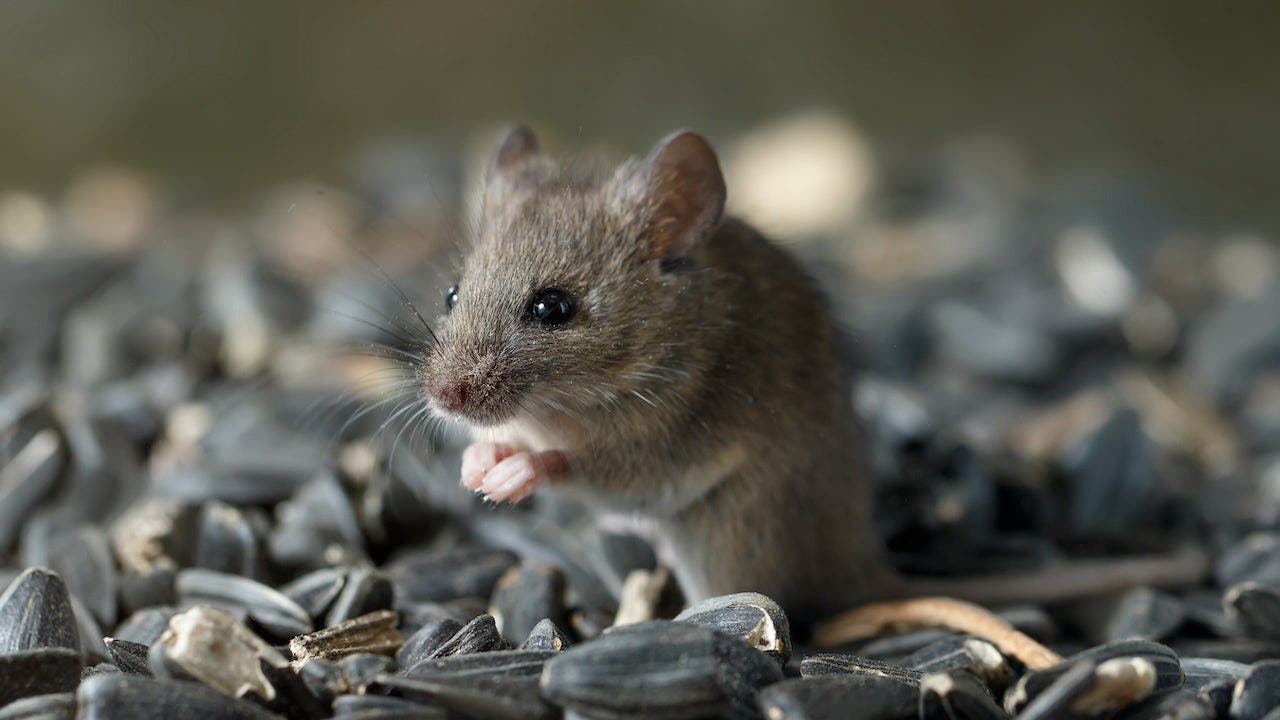
Source: Fox News
Summary
Researchers from Washington State University found high levels of hantavirus in rodents in the Pacific Northwest, specifically in the Palouse region. The study, published in Emerging Infectious Diseases, collected samples from 189 rodents and found nearly 30% showed evidence of prior exposure and 10% had active infections. The findings suggest that Sin Nombre virus may be more widespread in the region than previously thought.
Our Reading
The advice sounds familiar.
Hantavirus concerns have been raised before, but this study highlights the need for expanded monitoring in the Pacific Northwest, especially in agricultural areas. The researchers found high levels of Sin Nombre virus in rodents, which can be spread to humans through inhalation of aerosolized rodent urine, droppings, or saliva. The study’s findings are a reminder that precautions are essential when cleaning areas with evidence of rodent activity.
As Dr. Sonja Bartolome noted, “Most cases have occurred in Colorado, New Mexico, and Arizona, and 94% have been reported in states west of the Mississippi River.” This study’s focus on the Pacific Northwest adds to the understanding of how the virus moves geographically and between species.
The researchers recommend efforts to prevent rodent exposure for living and farming in rural areas. Longer-term studies could help clarify how environmental conditions and seasonal changes affect prevalence of the virus.
People may be exposed more often than we realize, but severe cases are more likely to be tested for hantavirus.
The study’s findings enter another phase of understanding the complex and widespread nature of the Sin Nombre virus in rodent populations in the Pacific Northwest.
Author: Evan Null