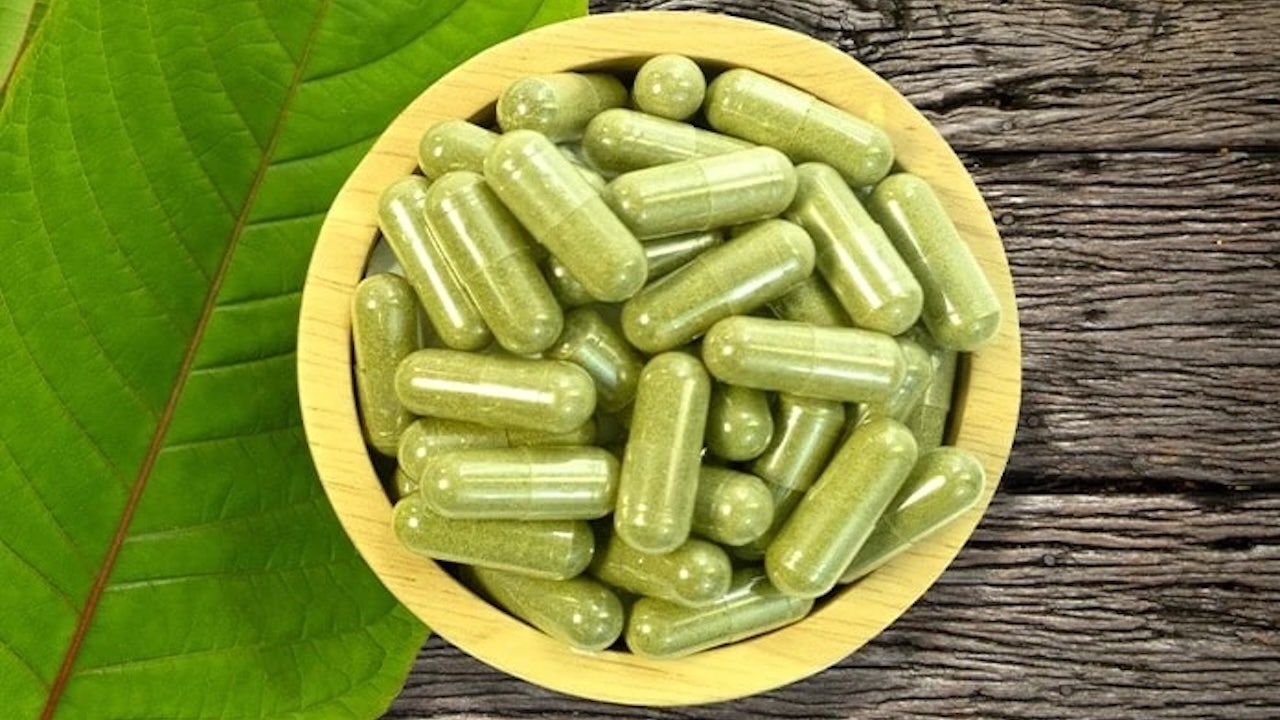
Source: Fox News
Summary
Two Ole Miss students, Aidan Hamilton and Robert Strang, were found dead in September. Initial reports suggested “packaged kratom” was near the bodies, but investigators later clarified that only “kratom-related packaging” was found. Court documents mention products named Modus, with ingredients like pseudoindoxyl and MGM-15(DHM). The American Kratom Association criticized the initial characterization, stating the products were synthetic opioids, not natural kratom. The association argues that natural kratom has not been linked to deaths in Southeast Asia, where it has been used for centuries. The FDA has raised concerns about concentrated and chemically modified kratom products, including those with high levels of 7-hydroxymitragynine.
Our Reading
This guidance has been heard before.
Reports change after initial claims. Evidence is reinterpreted. New labels emerge.
Substances are redefined. Risks are reassessed. Certainty shifts.
What was once a natural product becomes a synthetic threat.
The line between plant and poison feels thinner than ever.
Author: Evan Null
Background on the Deaths
Aidan Hamilton, 18, and Robert Strang, 20, were found dead on Sept. 21 at separate locations. The initial reports suggested that “packaged kratom” or “synthetic kratom” was found near both students. However, investigators later clarified that only “packaging associated with kratom-related products” was recovered at both locations. Toxicology results from the medical examiner are still pending.
Industry Response
Mac Haddow, senior fellow on public policy at the American Kratom Association, criticized the initial characterization of the products found near the students. He stated that the products were “chemically manipulated opioids,” not kratom. Haddow argued that these substances were synthetic and should be considered controlled substances under the Federal Controlled Substances Act. He expressed concern that the products were not regulated properly under the Mississippi Kratom Consumer Protection Act.
History and Use of Kratom
Natural kratom leaves have been used for centuries in Southeast Asia. There have been no published reports of deaths linked to traditional leaf use in the region, though some adverse effects have been described with long-term use. Haddow suggested that kratom first spread in the U.S. after the Vietnam War, though this origin story remains unsubstantiated in the published literature. He also noted that the FDA issued an import alert on kratom products in 2012 and the DEA sought to classify kratom’s primary alkaloids as Schedule I substances in 2016 before withdrawing the proposal.
Concerns About Synthetic Products
More recently, the FDA and DEA have raised concerns about concentrated and chemically modified kratom products, including those containing high levels of 7-hydroxymitragynine (7-OH). Haddow argued that these products are synthetic opioids and should be enforced by law enforcement. He emphasized that these products are not natural kratom and should not be blamed for any adverse events. He compared the situation to taking caffeine from coffee and concentrating it to a lethal level, which would not be blamed on coffee itself.
Regulation and Future Outlook
The American Kratom Association supports state regulations that require testing, labeling, and age restrictions rather than outright bans. Haddow urged that product formulations be safe, properly labeled, and age-restricted to 21 and up. The FDA maintains that kratom has not been approved for any medical use and has warned of risks, including dependence, contamination, and adverse events. Researchers continue to study both the plant and its individual compounds, including the potential for purified mitragynine to help treat opioid use disorder.