Source: Fortune
Summary
Italy’s cheese industry, worth 4 billion euros, is facing challenges due to extreme heat waves. Credito Emiliano, a bank that accepts Parmigiano Reggiano as collateral for loans to dairy farms, is upgrading its cooling systems and boilers to keep the cheese at the right temperature. Climate change is also affecting the country’s vineyards and olive groves, with the 2026 harvest being one of the earliest on record. The heat wave is expected to have indirect, delayed effects on the economy.
Our Reading
The numbers tell one story.
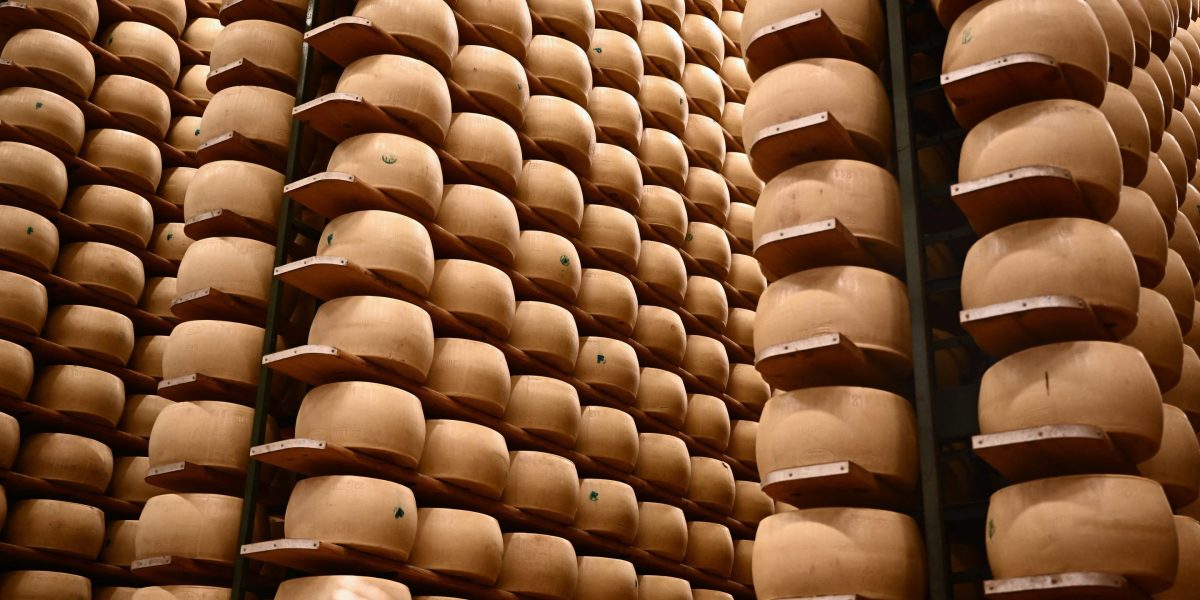
Credito Emiliano’s cheese warehouse business handles about 2.3 million wheels a year, and the bank has upgraded its cooling systems and boilers to keep the cheese at the right temperature. Meanwhile, Italy’s vineyards and olive groves are also feeling the heat, with the 2026 harvest being one of the earliest on record. The heat wave is expected to have indirect, delayed effects on the economy, with costs layered on top of the weather. The strategy enters a familiar phase.
Italy’s cheese banks are not the only ones feeling the heat. The U.S. has its own cheese caves, where the government stored surplus cheese during the Great Depression. The policy of buying surplus cheese to prop up prices was later replaced by a system where private banks lend against the cheese itself, betting that the wheels will still be worth something by the time they are ready to sell. The heat wave is just one of the many challenges facing Italy’s 5 billion-euro cheese economy.
The heat wave is not just a problem for Italy’s cheese industry, but also for its broader economy. The country’s GDP is expected to take a hit, with the European Central Bank estimating that the GDP hit from extreme heat is smaller in Spain and Italy than in Germany. However, the real damage may be hidden in indirect, delayed effects instead of showing up all at once.