Source: Fox News
Summary
A federal judge blocked President Donald Trump’s executive order limiting mail-in voting, issuing a 14-day temporary restraining order against a new USPS rule. The ruling could be appealed and may reach the Supreme Court. Democrats and voting rights groups refiled lawsuits after the high court’s recent decision. The rule requires states to submit voter data for mail ballots, which election officials say is too late for midterms. The case will impact nearly one-third of voters who use mail-in ballots. The judge noted states lack time and funds to comply with the new requirements.
Our Reading
As expected, the matter has reached another stage.
Judge Talwani blocks the rule again.
Democrats refile lawsuits after Supreme Court ruling.
States face tight deadlines to adjust systems.
Mail-in voting remains a recurring legal and political performance.
Author: Evan Null
Background on the Executive Order
President Donald Trump issued an executive order targeting mail-in voting, aiming to change election procedures. The order required additional documentation for voter registration, such as a U.S. passport or a government-issued photo ID with proof of citizenship. This move faced immediate legal challenges from Democrats and voting rights groups.
Legal Challenges and Court Rulings
The first executive order was blocked by a federal court. The current ruling comes after Democrats and voting rights groups refiled their lawsuits, following the Supreme Court’s recent decision. The high court had not addressed the legality of the order, only ruling that the judge had acted too soon.
Impact on Midterm Elections
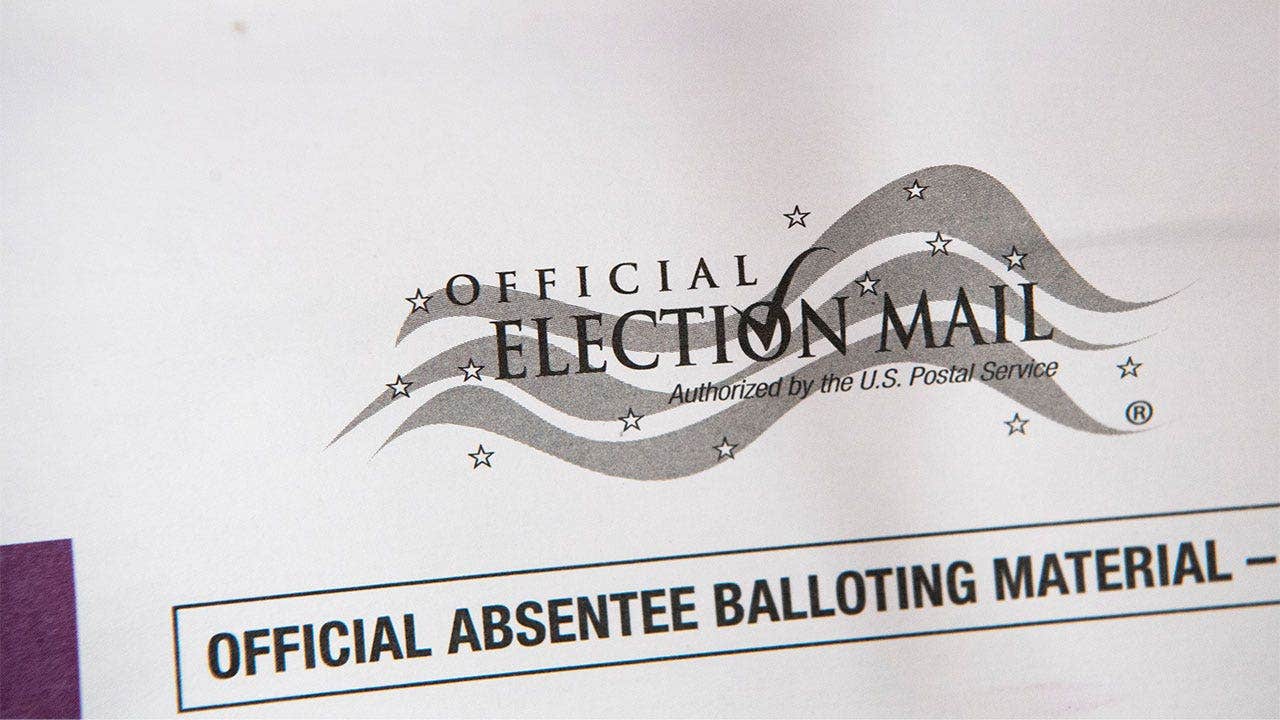
The case has significant implications for the upcoming midterm elections. Nearly one-third of Americans vote by mail, and election officials argue there is not enough time to adjust their systems to meet the new requirements. The Postal Service has stated it will not accept mail ballots without proper data submission.
Arguments from Both Sides
Democrats and voting rights groups claim the rule is unconstitutional, arguing that the president and USPS lack authority over election rules. The Postal Service, however, maintains that the rule does not determine voter eligibility or compare submissions with state voter rolls, and that states retain control over who may vote by mail.
Context of Mail-In Voting and Fraud Claims
Trump has long criticized mail-in voting, falsely attributing his 2020 election loss to it. However, a 2025 Brookings Institution report found that mail-in voting fraud was extremely rare, with only about four cases out of every 10 million ballots cast. Despite this, claims of widespread fraud continue to influence political discourse.