Source: Fortune
Summary
Scammers are exploiting tap-to-pay technology to trick donors into giving more money than intended, according to experts. Kurt Knutsson, a tech expert, warned about this issue, which is growing as more people use contactless payments. A 2026 Bloomerang report found that millennials and Gen Z prioritize trust and transparency when donating. Steve Isom, of Bloomerang, said donors want to see proof of how their money is used. The report also found that 85% of donors trust the organizations they support. However, scam activity threatens this trust, making it harder for real nonprofits to succeed.
Our Reading
The numbers tell one story.
Scammers are using tap-to-pay to inflate donations.
Experts warn donors may not notice the change.
Trust in nonprofits is under pressure.
Millennials and Gen Z value transparency.
Author: Evan Null
Scammers Exploit Tap-to-Pay Technology
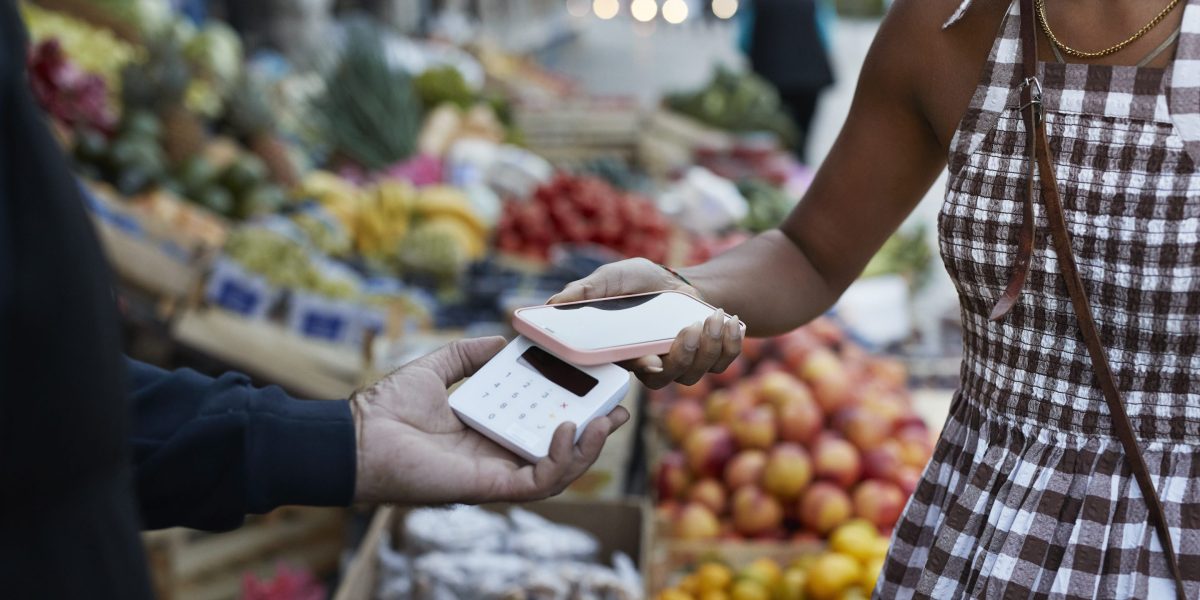
The rise of tap-to-pay donations has created new vulnerabilities for donors. Scammers are manipulating the process by altering the transaction amount after the donor approves it. This tactic is particularly effective because many people don’t double-check the final amount before completing the payment. As a result, donors may end up giving far more than they intended without realizing it. The issue is becoming more common as contactless payments grow in popularity, especially in public spaces like streets and events.
Trust in Nonprofits is at Risk
Millennials and Gen Z are more likely to donate to causes they feel connected to, but they also demand transparency. A 2026 Bloomerang report shows that 85% of active donors trust the organizations they support. However, the increasing number of scams is eroding that trust. When donors feel deceived, they may stop giving altogether, which could hurt legitimate nonprofits that rely on public support. This creates a cycle where trust is hard to rebuild once it’s lost.
Verification Gaps Make Recovery Difficult
Once a payment is authorized, it’s nearly impossible to recover the funds, especially with instant payment methods. Eva Velasquez of the Identity Theft Resource Center explained that donors who use contactless payments may not have the same protections as those using credit cards. This means that if a scam occurs, the donor may not be able to get their money back. The problem is compounded by the fact that the donor themselves approved the transaction, even if they didn’t notice the change in amount.
Experts Advise Caution and Due Diligence
Mary Ann Miller, a fraud and cybercrime executive advisor, warned that scammers are exploiting trusted interactions. She advised donors to pause and think before tapping to pay. Eva Velasquez also suggested that donors take control of the process by choosing the charity themselves and vetting it through third-party accreditation sites. This approach helps ensure that the organization is legitimate and that the donation is going to a trustworthy cause.
Donors Need to Be Vigilant
The key takeaway is that donors must be more cautious when using tap-to-pay methods. Scammers are becoming more sophisticated, and the risk of being tricked is real. By taking the time to verify the amount and the organization, donors can protect themselves from falling victim to these scams. This also helps maintain trust in the nonprofit sector, which is essential for continued support and funding.