Crackdown on critical tech could open Americans to a new national security threat
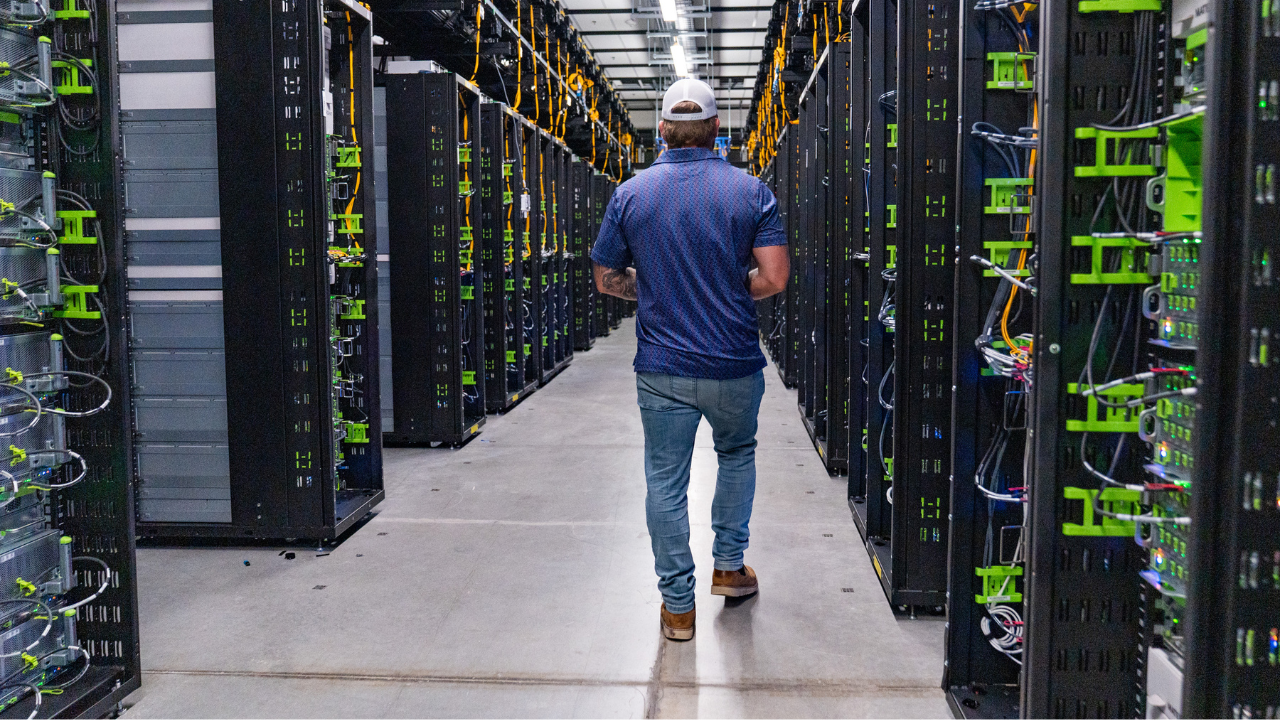
Source: Fox News
Summary
Americans’ sensitive information could be processed overseas if restrictions on artificial intelligence data centers slow U.S. construction, warned Brittany Kaiser, CEO of Alpha Compute. States are considering new restrictions on data centers due to concerns over electricity costs and grid reliability. Kaiser said moratoriums could push companies to seek computing capacity abroad, risking data security. She emphasized the need for responsible development and energy independence. Data centers support AI and other digital services, requiring significant power and infrastructure. Some states, like Pennsylvania and New York, are implementing new regulations on data center growth.
Our Reading
As expected, the matter has reached another stage.
Kaiser warns of data moving abroad as restrictions rise.
States pass rules on data centers, citing costs and reliability.
Companies seek alternatives, but not all act responsibly.
Energy independence now tied to data control, like oil before it.
Author: Evan Null
Key Concerns
Brittany Kaiser, CEO of Alpha Compute, expressed concern that data center restrictions in the U.S. could lead to American data being processed overseas. She warned that this could compromise sensitive information and national security. Kaiser emphasized the need for responsible development and energy independence, comparing compute power to energy resources.
State Responses
States like Pennsylvania and New York are implementing new rules on data center development. Pennsylvania’s governor, Josh Shapiro, introduced requirements for large data center projects. New York’s governor, Kathy Hochul, imposed a one-year moratorium on new hyperscale data centers. These actions reflect growing concerns over electricity costs and grid reliability.
Industry Impact
The rapid expansion of data centers is driven by the increasing demand for artificial intelligence. Companies are building more powerful facilities that require significant electricity and advanced technology. This growth has led to pushback from communities over environmental and economic impacts. Some companies, like Alpha Compute, are exploring off-grid solutions to reduce strain on local infrastructure.
Global Competition
Kaiser warned that restrictions on domestic data center development could affect America’s position in the global AI race. She compared compute power to a utility, stressing the importance of processing data within U.S. borders. This perspective highlights the growing intersection of technology, national security, and economic strategy.
Public Campaign
Kaiser has launched a campaign called “Right to Compute,” advocating for domestic data center development alongside sustainability standards. She argues that Americans and companies should have the right to process sensitive data within the country. This campaign reflects a broader debate over how to balance innovation, regulation, and security in the digital age.