Source: FOX News
Summary
New Jersey Gov. Mikie Sherrill signed legislation to create separate rate structures for large data centers and prevent increased utility costs for other customers. The law also requires data centers to pay for 85% of their requested electricity capacity and encourages clean energy use. Meanwhile, Indiana regulators approved a deal allowing data centers to pay for infrastructure based on long-term commitments, with potential rate cuts for residents. Both states aim to balance AI growth with consumer protection, but approaches differ significantly.
Our Reading
As expected, the matter has reached another stage.
New Jersey sets rules, Indiana negotiates deals.
Data centers ask for power, regulators ask for promises.
States try to control costs, but the AI boom keeps growing.
Both sides claim to protect people, but the real question is who pays.
Author: Evan Null
States Take Different Paths to Manage Data Center Growth
New Jersey and Indiana are responding to the rising demand for electricity driven by the AI boom. New Jersey has implemented strict regulations to protect consumers from increased utility costs, while Indiana is taking a more flexible approach by negotiating deals with utilities and tech companies.
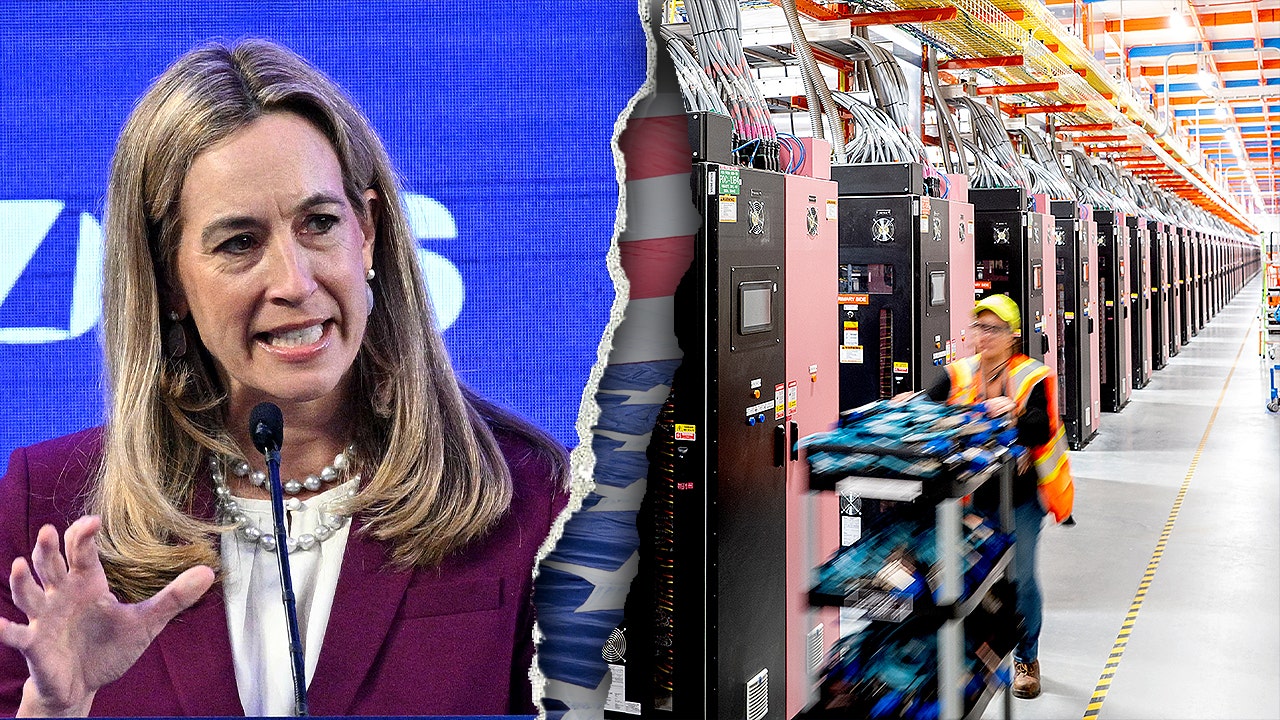
Gov. Mikie Sherrill signed a law requiring data centers to pay for 85% of the electricity they request and to invest in clean energy. The law also ensures that grid upgrades for data centers do not raise bills for other customers. In contrast, Indiana regulators approved a deal allowing data centers to commit to long-term payments, which could lead to lower rates for residents.
The debate over data centers is not just about electricity costs but also about the broader implications for the energy grid and national competitiveness. Both states are trying to balance the need for AI infrastructure with the concerns of local communities and ratepayers.
While New Jersey focuses on strict oversight, Indiana’s approach emphasizes collaboration between utilities, tech companies, and regulators. Both models reflect the growing complexity of managing the AI-driven energy demand.
As the AI industry continues to expand, the strategies adopted by states like New Jersey and Indiana may serve as models for other regions facing similar challenges.
Regulatory Measures Aim to Control Costs and Ensure Fairness
New Jersey’s legislation is designed to prevent data centers from shifting the financial burden of grid upgrades onto regular consumers. By requiring data centers to cover a significant portion of their electricity costs, the state aims to ensure that the growth of AI infrastructure does not lead to higher bills for everyday residents.
In Indiana, the approach is more collaborative, with the utility company Indiana Michigan Power negotiating directly with tech firms and consumer advocates. This model allows for more flexibility but also raises questions about how effectively it will protect ratepayers from potential cost increases.
Both states are under pressure to find a balance between supporting the AI industry and protecting consumers. The challenge lies in ensuring that the expansion of data centers does not come at the expense of local communities or the broader energy grid.
As the demand for electricity continues to rise, the regulatory frameworks developed in New Jersey and Indiana may influence how other states handle similar issues in the future.
The debate highlights the growing tension between technological advancement and the need for responsible energy management, with each state taking a different path to address the same fundamental challenge.
Political and Economic Implications of Data Center Expansion
The expansion of data centers is not just a technical issue but also a political and economic one. Both New Jersey and Indiana are grappling with how to manage the financial and environmental impacts of this growth. The decisions made by these states could have far-reaching consequences for the future of AI and energy policy in the United States.
While New Jersey’s approach is more prescriptive, Indiana’s model relies on negotiation and flexibility. Both strategies reflect the broader challenge of managing the rapid development of AI infrastructure without compromising the interests of consumers or the environment.
The debate over data centers is also tied to larger questions about national competitiveness. As countries like China invest heavily in AI, the U.S. must ensure that its energy and regulatory frameworks support innovation without creating unnecessary barriers.
Both states are under pressure to find solutions that support the AI industry while protecting local communities. The outcomes of their efforts may serve as a blueprint for other regions facing similar challenges.
The growing importance of data centers in the AI landscape means that the policies adopted by New Jersey and Indiana will have significant implications for the future of technology and energy in the United States.
Focus on Clean Energy and Grid Stability
Both New Jersey and Indiana are emphasizing the need for clean energy and grid stability as data centers expand. New Jersey’s law encourages data centers to invest in renewable energy and energy storage, aiming to reduce their environmental impact. This approach aligns with broader efforts to transition to a more sustainable energy system.
In Indiana, the focus is on ensuring that the energy grid can handle the increased demand from data centers without causing instability. The state’s approach involves working closely with utilities and tech companies to develop long-term solutions that protect both consumers and the grid.
The push for clean energy and grid resilience reflects the growing awareness of the environmental and technical challenges associated with the AI boom. As data centers become more prevalent, the need for sustainable and reliable energy sources becomes increasingly urgent.
Both states are recognizing that the expansion of data centers must be accompanied by measures to ensure that the energy grid remains stable and that environmental concerns are addressed. This dual focus on sustainability and reliability is essential for the long-term success of AI infrastructure.
The strategies adopted by New Jersey and Indiana highlight the importance of integrating clean energy and grid management into the broader framework of AI development, ensuring that technological progress does not come at the expense of environmental and economic stability.
Broader National and Global Context
The debate over data centers and energy policy in New Jersey and Indiana is part of a larger national and global conversation about the future of AI and its impact on energy consumption. As countries around the world invest in AI infrastructure, the challenge of managing energy demand and ensuring fair cost distribution becomes increasingly complex.
The U.S. government has also taken steps to address these issues, with the Trump administration introducing the Ratepayer Protection Pledge. This initiative aims to ensure that tech companies cover the costs of additional electricity generation needed for AI data centers, rather than passing the burden to consumers.
As the global race for AI dominance intensifies, the strategies adopted by states like New Jersey and Indiana will play a critical role in shaping the future of energy policy and technological development. The decisions made today will have lasting implications for how the U.S. manages the intersection of AI, energy, and consumer protection.
The growing importance of data centers in the AI landscape means that the policies developed in these states will have significant implications for the future of technology and energy in the United States.
As the AI industry continues to evolve, the need for coordinated and forward-thinking energy policies will only become more pressing, with states like New Jersey and Indiana serving as key examples of how to navigate this complex landscape.