Source: The Points Guy
Summary
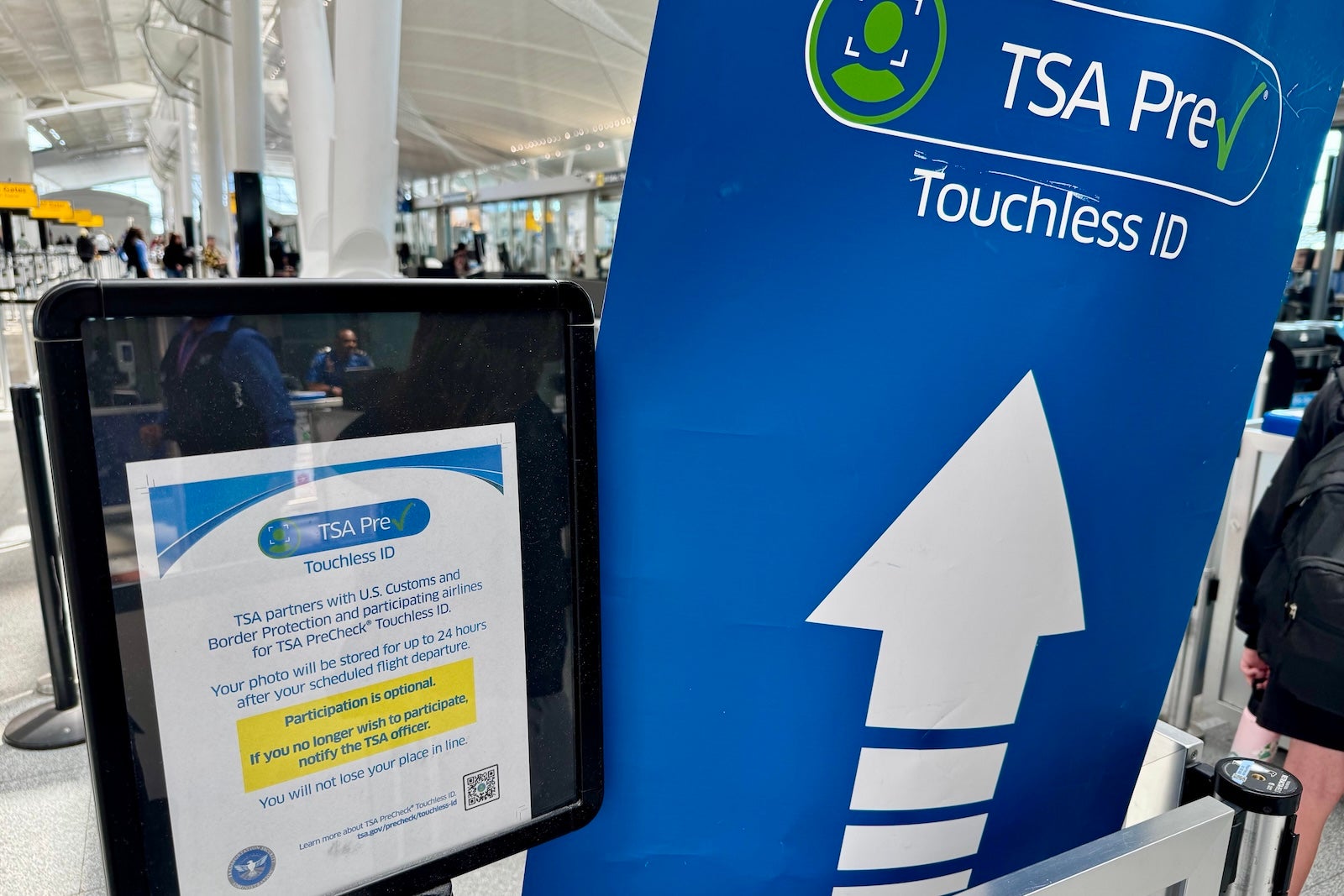
The Transportation Security Administration introduced e-gates at Newark Liberty International Airport (EWR) for the first time, allowing certain United Airlines passengers to pass through security without interacting with officers. The automated process uses biometric verification, including photo capture and comparison with passport data. EWR is one of the first airports to pilot this technology, following trials at Charlotte Douglas International Airport (CLT) and Ronald Reagan Washington National Airport (DCA). The system is available to passengers enrolled in the TSA PreCheck Touchless ID program. While the time saved per passenger is minimal, the system aims to reduce congestion and improve efficiency.
Our Reading
The escape is carefully planned.
EWR’s new e-gates streamline security for United flyers. Passengers avoid ID checks by having their photo taken. The process is faster but limited to TSA PreCheck members. Airports like CLT and DCA have tested similar tech. The TSA says the system saves about three seconds per passenger. It’s a step toward more automated travel.
Author: Evan Null
What the e-gates mean for travelers
The e-gates at EWR represent a shift toward automated security. United Airlines passengers in the TSA PreCheck Touchless ID program can use the gates. The process involves a quick photo scan and biometric verification. It’s available only at specific checkpoints in Terminal C. The system is still in early stages, with limited access. Travelers who opt in can bypass some steps in the security line.
How the e-gates work
Passengers walk into a booth and have their photo taken. The system compares the image to passport data. If the match is confirmed, the gates open automatically. The process eliminates the need to show an ID or boarding pass. It’s part of a broader trend in airport security. Other airports, like CLT and DCA, have tested similar technology. The TSA is expanding the use of biometric checks across the country.
Benefits and limitations
The e-gates reduce wait times for eligible passengers. They also free up TSA officers for other tasks. The system is optional, and travelers can still use traditional security lanes. The time saved per passenger is small, but it adds up over thousands of travelers. The technology is still being tested and refined. It’s not yet available at all airports or for all airlines.
Other airports and security tech
Charlotte Douglas International Airport (CLT) was one of the first to test e-gates. Ronald Reagan Washington National Airport (DCA) has also adopted the system. The TSA is working with airlines and security companies to expand the use of biometric checks. Private companies like Clear have their own version of e-gates. These systems aim to make travel more efficient and less stressful for passengers.
The future of airport security
The TSA plans to bring e-gates to more airports in the future. The technology is part of a larger push toward automation in travel. Biometric verification is becoming more common at checkpoints. Passengers can opt out of the system if they prefer traditional security. The goal is to balance efficiency with privacy and convenience. As more airports adopt similar systems, the travel experience may become faster and more streamlined.