
MLB Umpire Doug Eddings Goes On Insane Power Trip Over Cardinals Pitcher Hancel Rincon’s Hat
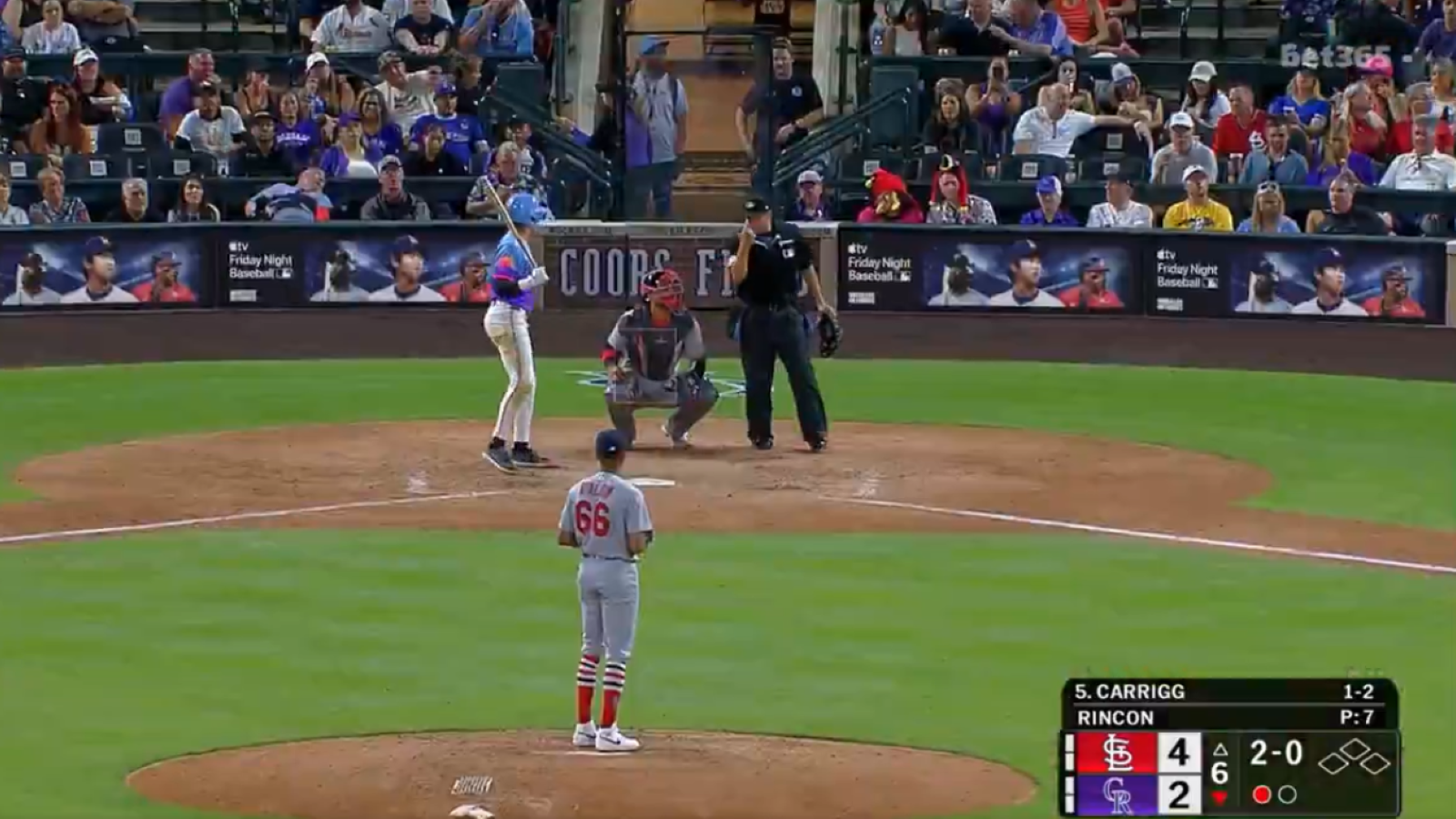
Source: BroBible
Summary
A St. Louis Cardinals reliever, Hancel Rincon, was ejected from a game after an umpire, Doug Eddings, criticized his hat-wearing style. The incident led to a pitch clock violation and the ejection of the Cardinals’ manager, Oli Marmol. Eddings reportedly told Rincon to fix his hat, calling it inappropriate for “his field.” The Rockies scored a key run after the incident, and the Cardinals eventually won 7-6. Marmol criticized Eddings’ actions as unprofessional.
Our Reading
The habit gets a new name.
Umpires now enforce hat angles like they’re policing a dress code.
Pitchers are expected to wear caps like they’re in a corporate office.
Discipline is no longer about the game—it’s about control.
Some people just can’t handle a crooked hat.
Author: Evan Null
MLB Umpire Doug Eddings’ Hat Obsession
Doug Eddings, an MLB umpire, made headlines for his unusual focus on how a pitcher wore his hat. The incident occurred during the St. Louis Cardinals’ game against the Colorado Rockies on September 4, 2026. Eddings reportedly confronted Hancel Rincon, a 24-year-old reliever from the Dominican Republic, over the way he wore his cap while on the mound.
Rincon was not the first pitcher to wear his hat at an angle, but Eddings took it as a personal affront. The umpire reportedly told Rincon that he couldn’t wear his hat that way on “his field.” This led to a pitch clock violation and the ejection of Cardinals manager Oli Marmol.
The incident occurred during the sixth inning, with the Cardinals leading 4-2. Rincon had a 2-0 count against Rockies’ rookie Cole Carrigg. After the ejection, Carrigg hit an inside-the-park home run, and the Rockies eventually took the lead.
Marmol criticized Eddings’ behavior, calling it unprofessional and embarrassing. He noted that the incident happened during a player’s debut, which he found particularly inappropriate. The Cardinals later came back to win the game 7-6.
The story was reported by BroBible and later picked up by the New York Times Athletic. It sparked a conversation about the role of umpires and the expectations placed on players.
The Rise Of The Hat Police
While pitchers have long worn their hats at an angle, Eddings’ reaction suggests a new trend in MLB: the rise of the hat police. Umpires are now expected to enforce style rules, not just rule enforcement. This incident highlights how even minor infractions can be blown out of proportion.
It also shows how authority figures in sports are increasingly focused on appearance over performance. The idea that an umpire would prioritize a player’s hat position over the game itself is both absurd and revealing.
There’s a growing culture in sports where every detail is scrutinized. From uniform regulations to player behavior, nothing is off-limits. Eddings’ actions are a clear example of this trend.
Players are expected to conform to a certain image, even on the field. This incident shows how much pressure is placed on athletes to look a certain way, not just play a certain way.
It’s not just about the hat—it’s about control, authority, and the message that even small things matter. Eddings’ behavior sends a clear message: in MLB, even your hat has to be in line.
When Umpires Become The Main Character
Umpires are supposed to be neutral, but Eddings’ actions suggest otherwise. His reaction to Rincon’s hat was not just over the top—it was a power move. He didn’t just call a rule violation; he made it personal.
By telling Rincon that he couldn’t wear his hat that way on “his field,” Eddings implied that he had control over the entire game. That’s not how umpires are supposed to act. They’re there to enforce the rules, not to set the tone.
This incident shows how easily authority can be abused. Eddings didn’t just enforce a rule—he turned it into a personal vendetta. That’s not fair to the players, and it’s not fair to the game.
There’s a fine line between enforcing the rules and overstepping. Eddings crossed that line, and it cost the Cardinals a chance to win. It also made him the villain of the story.
Umpires are supposed to be the neutral party, but Eddings’ actions suggest that some of them are more interested in being the main character than in doing their job.
How A Hat Became A Power Move
It’s strange how a simple hat can become the center of a controversy. In this case, Eddings turned a minor issue into a major power play. He didn’t just call a rule violation—he made it personal, and that’s what made the story so newsworthy.
There’s a growing trend in sports where even the smallest details are scrutinized. From player behavior to uniform choices, everything is under a microscope. Eddings’ actions are a perfect example of this trend.
It’s also a reflection of how much power umpires hold. They’re not just referees—they’re the final authority on what happens on the field. Eddings’ behavior shows how that power can be misused.
Players are expected to follow the rules, but they’re also expected to follow the unspoken rules. Eddings’ actions suggest that some umpires are more interested in enforcing those unspoken rules than the official ones.
It’s a reminder that in sports, even the smallest things can have the biggest impact. Eddings’ focus on a hat shows how easily a minor issue can become a major story.
The Aftermath Of A Crooked Hat
The aftermath of Eddings’ actions was swift and significant. The Cardinals lost their manager, and the Rockies gained a key run. The game itself was affected, and the story made headlines across the sports world.
It also sparked a conversation about the role of umpires in MLB. Are they there to enforce the rules, or are they there to enforce their own personal standards? Eddings’ actions suggest the latter.
The incident was widely criticized, with many calling it unprofessional and unnecessary. Marmol’s comments were particularly pointed, as he questioned the integrity of the umpire’s actions.
There’s a growing concern that some umpires are more interested in being the center of attention than in doing their job. Eddings’ behavior is a clear example of this trend.
It’s a reminder that even in sports, where the focus is on the game, the people behind the scenes can have a major impact. Eddings’ actions show that sometimes, the smallest things can have the biggest consequences.
