Source: Fortune.com
Summary
President Trump proposed a $5,000 payment to every adult American if Republicans win the midterms, a plan estimated to cost $1.3 trillion. The Congressional Budget Office reported a $2 trillion deficit in the first 11 months of fiscal 2026, with interest payments on the national debt reaching $1.05 trillion. The CBO noted the deficit reduction was due to timing shifts in payments. Trump’s plan would likely rely on Treasury borrowing, as it is unclear how it would be funded. Previous similar proposals, including tariff-based rebates, faced legal and political challenges.
Our Reading
The numbers tell one story.
Trump’s $5,000 plan is a political promise, not an economic fix.
The deficit is shrinking, but only because of payment timing.
Interest payments outpace many federal agencies’ budgets.
The Treasury is already spending $95 billion a month on debt.
The plan’s funding remains unclear.
A new dividend is just another campaign slogan.
The numbers don’t add up, but the messaging does.
The original observation: A trillion-dollar promise, no plan, just a vote.
Author: Evan Null
Trump’s $5,000 Plan
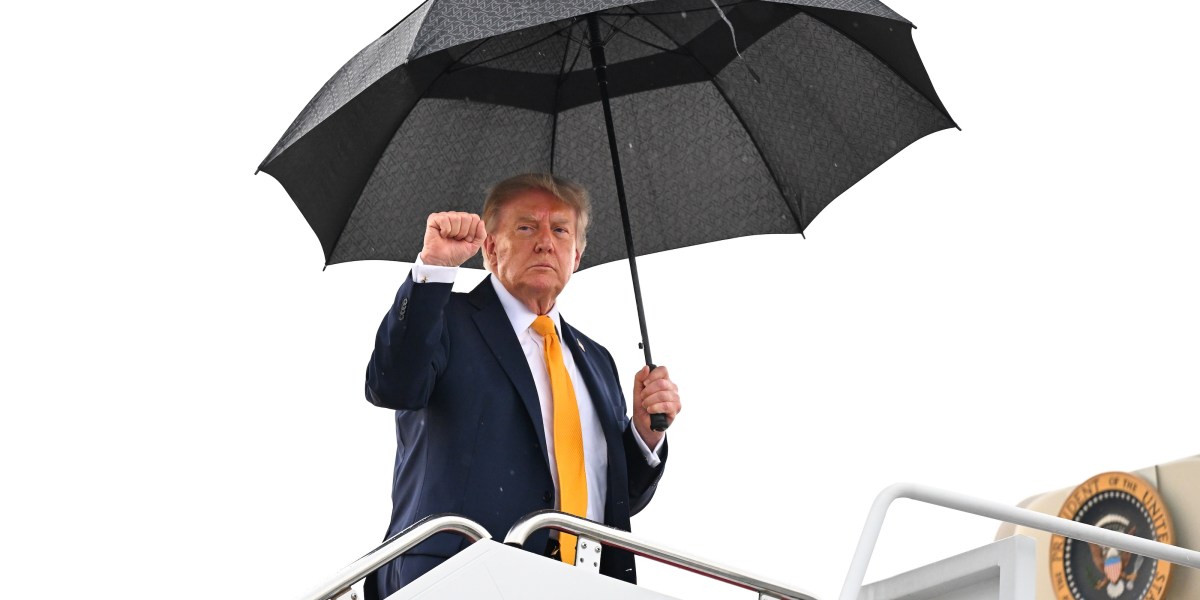
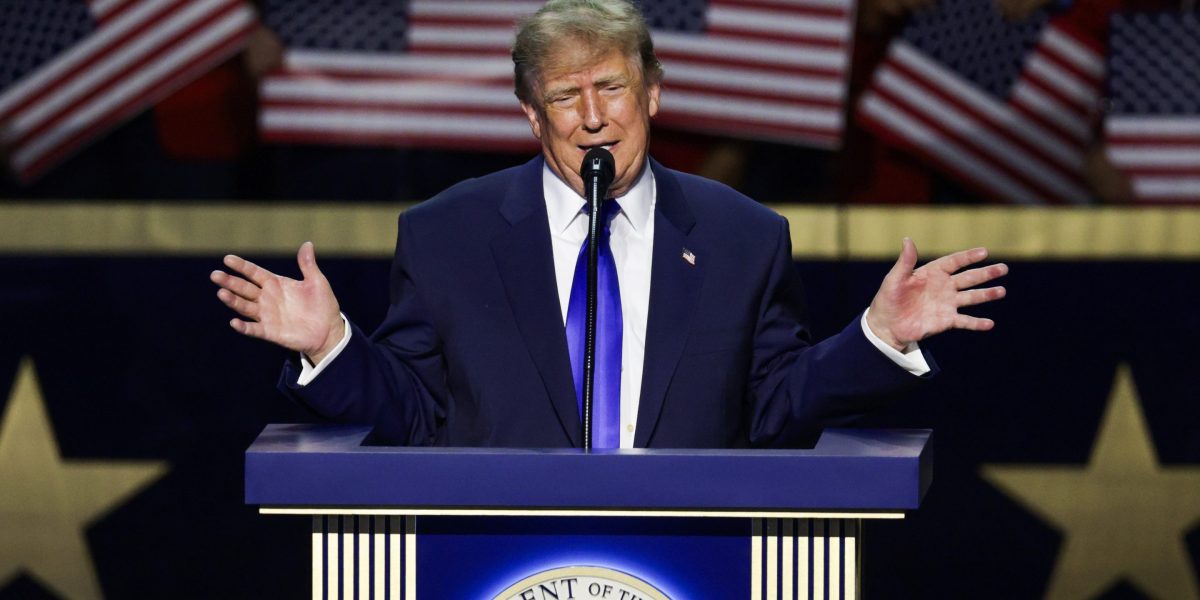
President Trump has proposed a $5,000 payment to every adult American if Republicans win the midterms. The plan, which would cost more than $1.3 trillion, is vague on how it would be funded. The Census Bureau estimated 260 million adults in the U.S. in 2020, a number likely higher now. The plan would require the Treasury to cover the cost, which is already managing a $40 trillion debt. Interest payments alone are more than the combined spending of several federal agencies.
Deficit and Debt
The Congressional Budget Office reported a $2 trillion deficit in the first 11 months of fiscal 2026. The reduction compared to the previous year was due to shifts in payment timing, not actual savings. Without the shift, the deficit would have been $82 billion higher. The U.S. Treasury has spent $1.05 trillion on debt servicing over the past 11 months, or about $95 billion per month. Interest payments now exceed the budgets of major federal departments.
Previous Campaign Promises
Trump has made similar promises before, including $2,000 checks funded by tariffs. That plan was rejected after the Supreme Court ruled the tariffs illegal. During the pandemic, he proposed a $2,000 stimulus, but it was blocked by Senate Republicans. Biden later approved a similar plan, which some argue contributed to inflation. Trump’s latest proposal is another political move, not a detailed policy.
Unclear Funding
It is unclear whether Trump’s $5,000 plan would be funded upfront or through additional borrowing. The Treasury is already under pressure from rising interest costs. The plan’s feasibility is uncertain, and it lacks specifics on how the money would be spent or who would pay for it. The proposal is more about messaging than financial planning.
Political Motivation
Trump’s promise is tied to a political outcome, not an economic need. It is designed to appeal to voters and rally support for the Republican Party. The plan’s cost is staggering, and the funding mechanism is not explained. While it could stimulate spending, it also risks further increasing the national debt. The proposal reflects a common political tactic: offering big promises with little detail.