Source: Fortune.com
Summary
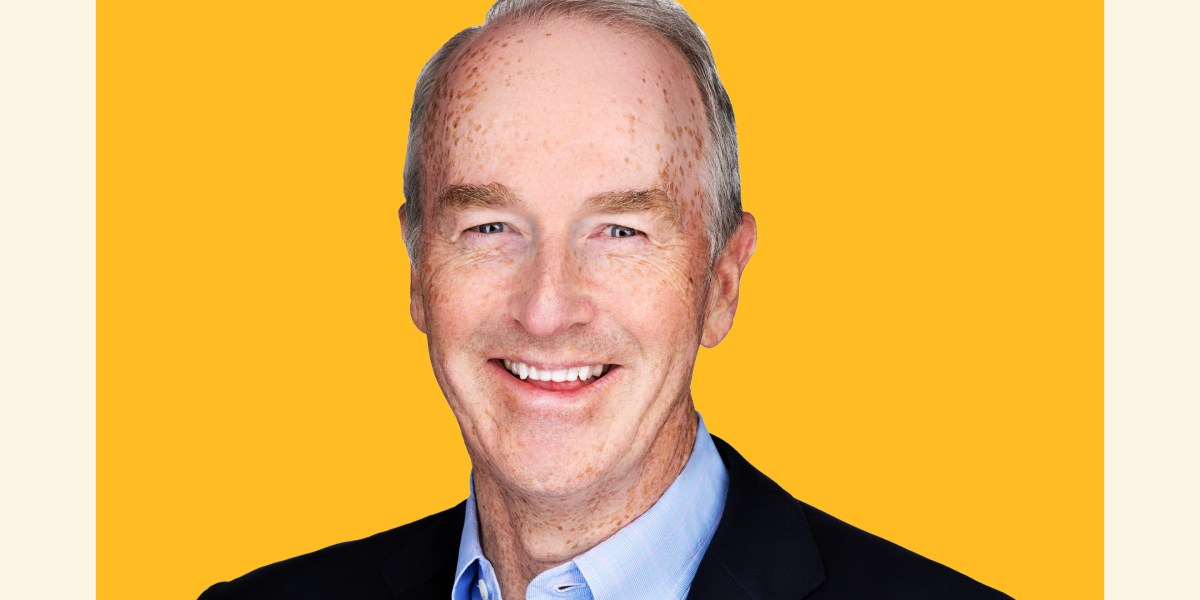
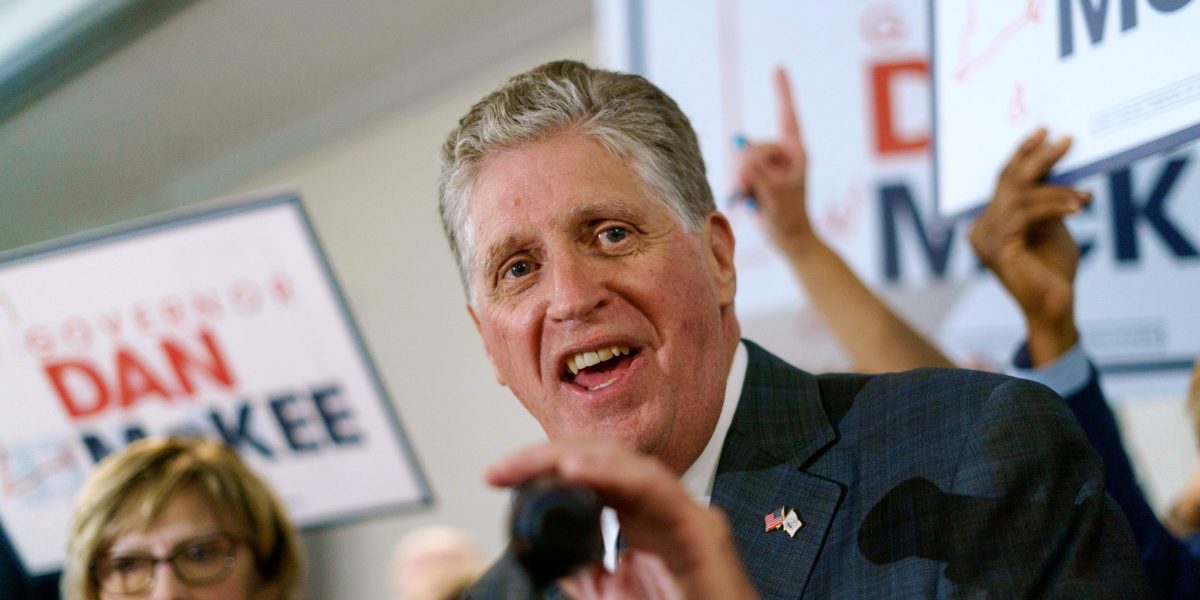
Helen Foulkes defeated Rhode Island Gov. Dan McKee in the Democratic primary, marking the first time a sitting U.S. governor lost a party primary since 2018. Foulkes, a former CVS executive, leveraged public frustration over the state’s bridge replacement project to criticize McKee’s leadership. McKee, who has been governor since 2021, faced questions about the delayed and costly bridge repairs. Foulkes claimed her win showed a desire for change, while McKee vowed to work with her for a smooth transition.
Our Reading
The numbers tell one story.
McKee lost his primary, a rare event for an incumbent governor.
Foulkes ran on dissatisfaction with the bridge project and McKee’s leadership.
McKee tried to paint her as an out-of-touch elite but conceded gracefully.
The bridge issue became a key point in the race, showing how infrastructure can shape political outcomes.
Author: Evan Null
Helena Foulkes’ Victory
Helena Foulkes defeated Rhode Island Gov. Dan McKee in the Democratic primary, making her the first governor in any U.S. state to lose a party primary since 2018. McKee’s loss ends his bid for a second full term and marks the first time in over 30 years that a sitting Rhode Island governor has been beaten in a primary.
Foulkes, a former senior executive at CVS and Hudson’s Bay, ran on a platform of change, leveraging public frustration over the state’s bridge replacement project. The Washington Bridge, a critical link in the state capital, was closed in 2023 due to safety concerns, leading to long commutes and criticism of McKee’s administration.
McKee, who has been governor since 2021, faced questions about the pace and cost of the bridge repairs. He argued that his decisions kept people safe and that the project would be completed by 2028, citing Maryland’s faster timeline as a benchmark.
In her victory speech, Foulkes emphasized the need for a governor who works for everyone, saying, “You will have a governor for everyone.” She also highlighted her record at CVS, where she helped reduce opioid dispensing by 40%.
McKee, in his concession speech, promised to work with Foulkes for a smooth transition, saying, “We just got to hold our heads high.” His defeat signals a shift in Rhode Island politics and highlights the growing influence of public dissatisfaction with infrastructure projects.
McKee’s Bridge Controversy
The Washington Bridge, a vital link over the Seekonk River, was closed in 2023 due to a “critical failure” in an older section. The closure led to traffic congestion and long commutes, drawing criticism of McKee’s administration. The bridge replacement has taken longer than expected, with traffic now squeezed into fewer lanes on a newer part of the structure.
McKee defended his decisions, stating that the closure was necessary for safety and that the project would be completed by 2028. He often compared his timeline to Maryland’s, where the Francis Scott Key Bridge, which collapsed in 2024, was being replaced.
Foulkes used the bridge issue as a key part of her campaign, arguing that McKee’s administration wasn’t working for most Rhode Islanders. She criticized the delays and high costs, positioning herself as a candidate for change.
The bridge project became a central issue in the race, showing how infrastructure challenges can directly impact a governor’s re-election chances. It also highlighted the growing public frustration with slow and expensive state projects.
McKee’s handling of the bridge issue was a major factor in his primary loss, illustrating how even well-intentioned decisions can backfire if not managed effectively.
Foulkes’ Background and Campaign
Foulkes, a former senior executive at CVS and the Canadian retailer Hudson’s Bay, brought a business background to her campaign. She worked at CVS for 25 years, eventually becoming president of the company’s pharmacy division from 2014 to 2018. She later served as CEO of Hudson’s Bay before leaving in 2020.
Her campaign focused on change, positioning herself as a leader who could address the state’s challenges. She highlighted her experience in corporate leadership and her record at CVS, where she helped reduce opioid dispensing by 40%.
Foulkes’ grandfather, Thomas Dodd, and her uncle, Chris Dodd, were both U.S. senators in Connecticut. This political legacy may have helped her gain support, though she ran as an independent voice in the race.
Her campaign also faced scrutiny over her time at CVS, which later settled opioid lawsuits for $5 billion. Foulkes defended her record, emphasizing that the reductions in opioid dispensing happened during her tenure.
Her victory in the primary shows the growing influence of business leaders in politics and the public’s desire for change, even in a traditionally stable state like Rhode Island.
Other Primary Upsets
Foulkes wasn’t the only candidate to unseat an incumbent in the primary. Providence Mayor Brett Smiley lost his reelection bid to David Morales, a 27-year-old democratic socialist endorsed by U.S. Sen. Bernie Sanders. Morales also had support from U.S. Rep. Ro Khanna and several labor unions.
Smiley, who has held the mayoral seat since 2022, faced a strong challenge from Morales, who ran on a progressive platform. The race highlighted the growing influence of younger, more radical candidates in local politics.
In the Republican gubernatorial primary, Aaron Guckian and Elaine Pelino were in a close contest for the nomination, with Guckian ultimately gaining the state party’s endorsement. Guckian, a state trade association executive, was the 2022 lieutenant governor nominee, while Pelino, a former actor, was a first-time candidate.
The primary results show a shift in Rhode Island politics, with more candidates challenging incumbents and a growing emphasis on progressive and reform-oriented platforms.
These upsets reflect a broader trend in U.S. politics, where voters are increasingly willing to support challengers, even in traditionally safe seats.
Historical Context
The last time a sitting governor lost a primary was in 1994, when Democrat Bruce Sundlun lost to state Sen. Myrth York in Rhode Island. Sundlun faced multiple controversies and voter fatigue, while York ran on a reform platform.
McKee’s loss is the first since 2018, when Kansas Gov. Jeff Colyer narrowly lost the Republican nomination to Kris Kobach. Colyer’s defeat was a rare event in a state where governors typically win re-election.
McKee’s primary loss highlights the growing volatility of state politics, where even well-established leaders can be challenged and defeated. It also shows the increasing influence of public dissatisfaction with government performance.
Historically, governors rarely lose primaries, making McKee’s defeat a significant event in Rhode Island and national politics. It signals a shift in voter sentiment and a willingness to support change, even in the face of established leadership.
The results underscore the importance of effective communication and crisis management in politics, as even well-intentioned policies can lead to political fallout if not handled properly.