Source: Fox News
Summary
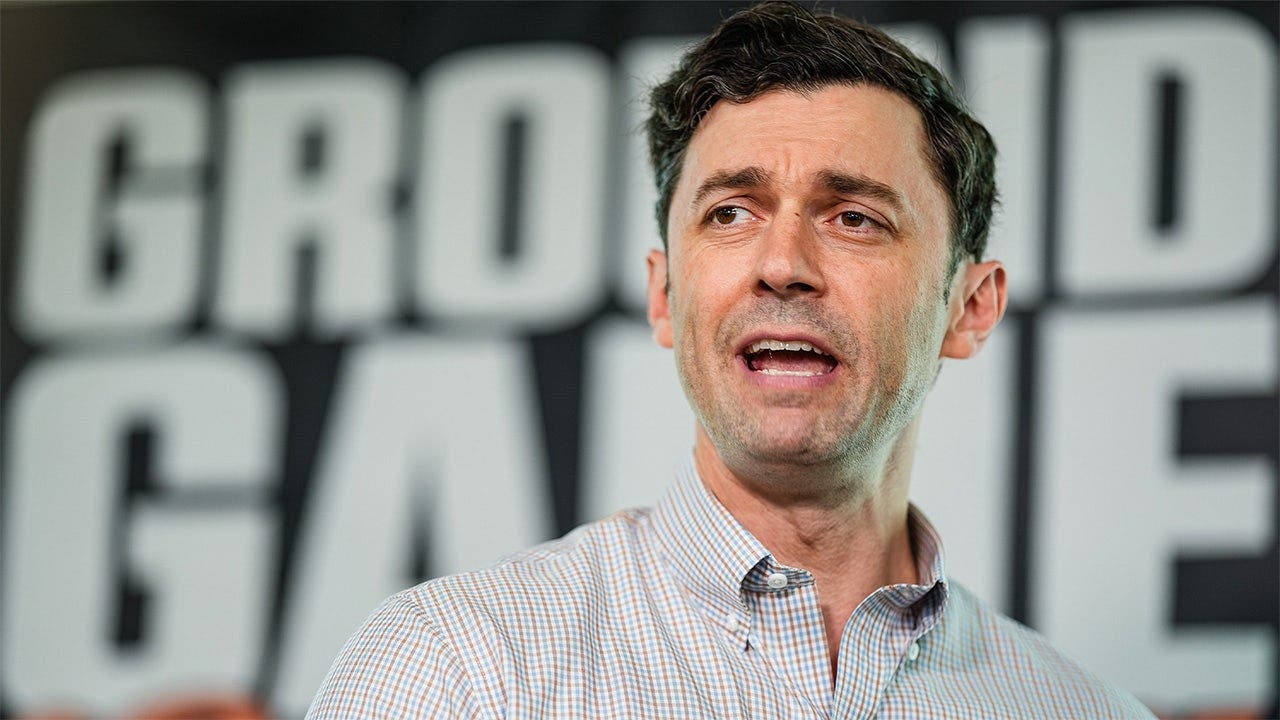
Rep. Mike Collins, R-Ga., is challenging Sen. Jon Ossoff, D-Ga., in a key Senate race. Collins claims Ossoff is positioning himself for a 2028 presidential run and is aligned with far-left groups. Collins criticized Ossoff’s voting record and campaign donations, suggesting he is a “DSA candidate.” Ossoff has denied interest in the presidency and has gained attention for his criticism of former President Donald Trump.
Our Reading
As expected, the matter has reached another stage.
Collins attacks Ossoff with familiar rhetoric.
Ossoff defends himself with viral clips and sharp remarks.
Both men play roles in a well-worn political script.
It’s not about the issue, it’s about the next stage.
Author: Evan Null
Georgia’s Senate Race Heats Up
The Georgia Senate race is becoming a focal point of the midterm elections. Rep. Mike Collins, a Republican, is challenging Sen. Jon Ossoff, a Democrat, in a contest that has drawn national attention. The race is seen as a key indicator of the political climate in the state, which former President Donald Trump won in 2024.
Collins has accused Ossoff of aligning with far-left groups, including the Democratic Socialists of America (DSA). He claims that Ossoff is using the current race as a stepping stone for a future presidential bid. Collins has also criticized Ossoff’s voting record, saying it aligns with Sen. Bernie Sanders, I-Vt., more than 90% of the time.
Ossoff has denied any interest in running for president in 2028. He has instead focused on his Senate campaign, using social media to highlight his criticism of Trump. His remarks about Trump’s relationship with his executive assistant, Natalie Harp, went viral and earned him praise from Democratic leaders like Senate Minority Leader Chuck Schumer.
The race has also seen Ossoff gain national recognition for his campaign speeches. He has positioned himself as a strong opponent of Trump, using sharp and often humorous remarks to engage voters. His approach has helped him stand out in a competitive race.
Despite the challenges, Ossoff remains a key figure in the Democratic Party. His performance in the race could influence the broader political landscape, especially as the 2028 presidential election approaches.
Collins’ Strategy and Accusations
Rep. Mike Collins has been a vocal opponent of Sen. Jon Ossoff, accusing him of being a far-left candidate with ties to the Democratic Socialists of America (DSA). Collins has argued that Ossoff is using the current Senate race as a platform to build support for a future presidential bid. This strategy is part of a broader effort to frame Ossoff as a threat to the Republican Party’s goals.
Collins has also criticized Ossoff’s campaign donations, pointing out that a significant portion comes from out-of-state sources. He has suggested that this financial backing is part of a larger plan to support a national campaign. These claims are part of a familiar pattern in political races, where candidates often attack their opponents’ financial and ideological alignment.
The accusations against Ossoff are not new. Collins has repeatedly emphasized the alignment between Ossoff’s voting record and that of Sen. Bernie Sanders, I-Vt. He has also highlighted the support Ossoff has received from progressive figures, such as Graham Platner and Abdul El-Sayed. These connections are used to paint Ossoff as a candidate who is not aligned with mainstream Democratic values.
Collins’ rhetoric reflects a common tactic in political campaigns, where opponents are portrayed as extreme or out of touch. By framing Ossoff as a potential DSA candidate, Collins is trying to rally support among conservative voters who are wary of progressive policies.
Despite the accusations, Ossoff has maintained that he has no interest in running for president in 2028. He has focused his efforts on the Senate race, using his platform to criticize Trump and engage with voters. His strategy has helped him gain national attention, even as he faces a tough challenge in Georgia.
Ossoff’s National Attention and Viral Moments
Sen. Jon Ossoff has gained national attention through his campaign speeches and social media presence. His sharp criticism of former President Donald Trump has made him a standout figure in the Democratic Party. One of his most notable moments came when he made a viral remark about Trump’s relationship with his executive assistant, Natalie Harp. The comment, which suggested Trump was more interested in building a “ballroom” than doing his job, was widely shared and discussed.
Ossoff’s remarks on Trump have earned him praise from Democratic leaders, including Senate Minority Leader Chuck Schumer. Schumer has highlighted Ossoff’s ability to communicate effectively and target Trump on the campaign trail. This recognition has helped elevate Ossoff’s profile, making him a key figure in the party’s strategy for the midterm elections.
The viral nature of Ossoff’s comments has also drawn attention from media outlets and political analysts. His ability to craft sharp, memorable lines has made him a compelling figure in the race. This has allowed him to stand out in a crowded field and gain support from voters who are looking for a strong voice against Trump.
Despite the attention, Ossoff has remained focused on the Senate race, denying any interest in a presidential bid. He has emphasized his commitment to representing Georgia and has used his platform to address local and national issues. His approach has helped him maintain a strong presence in the race, even as he faces a tough challenge from Collins.
Ossoff’s ability to generate media coverage and engage with voters has made him a key player in the Georgia Senate race. His performance could influence the broader political landscape, especially as the 2028 presidential election approaches.
Political Rhetoric and Campaign Tactics
Political campaigns often rely on familiar rhetoric and strategies to frame opponents. In the Georgia Senate race, Rep. Mike Collins has used a well-worn playbook to attack Sen. Jon Ossoff. He has accused Ossoff of being aligned with far-left groups and has suggested that he is positioning himself for a future presidential run. This type of messaging is common in political races, where candidates seek to paint their opponents as extreme or out of touch.
Collins has also focused on Ossoff’s voting record, highlighting his alignment with Sen. Bernie Sanders, I-Vt. He has argued that this connection makes Ossoff a threat to the Republican Party’s goals. These claims are part of a broader effort to rally conservative voters and frame the race as a battle between mainstream and far-left politics.
Ossoff, in turn, has used his platform to defend himself, emphasizing his commitment to the Senate race and denying any interest in the presidency. He has also used sharp, memorable remarks to engage with voters and criticize Trump. This approach has helped him gain national attention and stand out in a competitive race.
The rhetoric and strategies used in the Georgia race reflect a broader pattern in political campaigns. Candidates often rely on familiar arguments and messaging to shape public perception. This can create a sense of repetition and predictability, as voters are exposed to similar narratives across different races.
Despite the challenges, Ossoff has maintained a strong presence in the race, using his platform to address key issues and engage with voters. His ability to generate media coverage and maintain a clear message has helped him remain a central figure in the political landscape.
Media Coverage and Political Narratives
The Georgia Senate race has received significant media coverage, with outlets like Fox News highlighting the key moments and arguments from both candidates. The race has become a focal point for national political discussions, with analysts and commentators weighing in on the implications for the 2028 presidential election.
Media coverage often emphasizes the political narratives that candidates use to frame their campaigns. In this case, Rep. Mike Collins has focused on portraying Sen. Jon Ossoff as a far-left candidate with ties to the Democratic Socialists of America (DSA). This narrative is designed to appeal to conservative voters who are wary of progressive policies.
At the same time, Ossoff has used his platform to highlight his criticism of former President Donald Trump and to engage with voters on key issues. His viral remarks and strong communication skills have made him a standout figure in the race, drawing attention from both supporters and opponents.
The media’s focus on the race has helped shape public perception, reinforcing the narratives that candidates use to define their campaigns. This coverage can influence how voters view the candidates and the broader political landscape, especially as the 2028 election approaches.
As the race continues, the media’s role in shaping the political narrative will remain significant. The way the race is covered can influence public opinion and determine the direction of the campaign, making it a key factor in the outcome of the election.