Source: Fortune.com
Summary
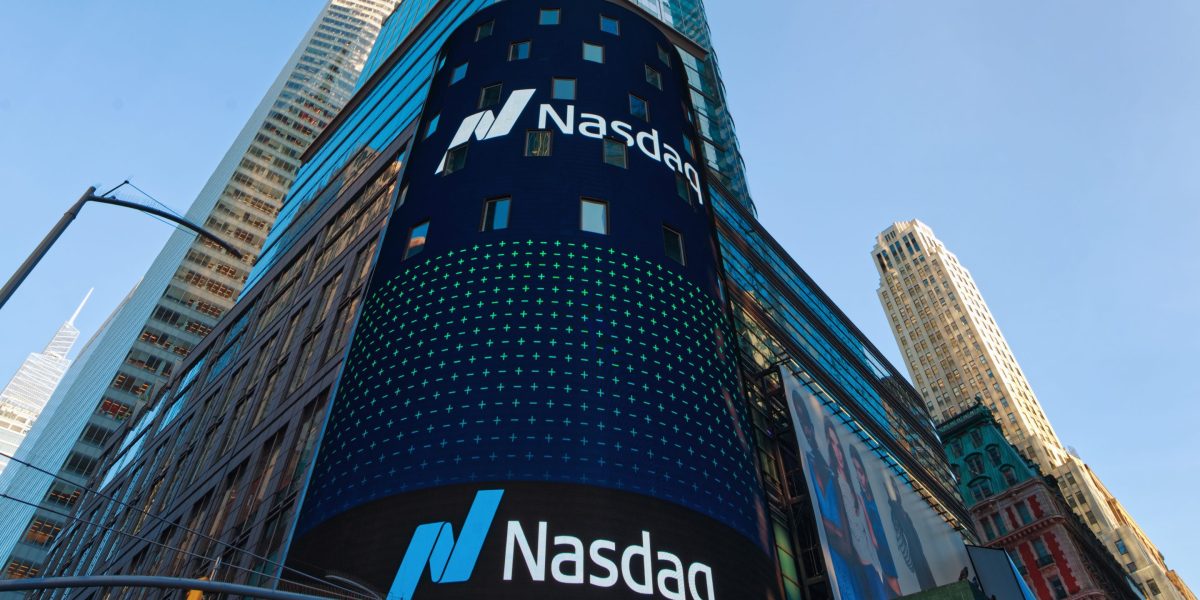
Nasdaq announced a $100 million investment in Payward, the parent company of Kraken, to develop tokenized stock trading. The deal values Payward at $21 billion, according to Bloomberg. The partnership aims to integrate Nasdaq Equity Tokens with Payward’s xStocks ecosystem. The SEC approved a rule change allowing tokenized securities to trade and settle. The companies plan to launch the offering in Q2 2027. Payward will use Nasdaq’s surveillance tools to monitor trading activity.
Our Reading
The numbers tell one story.
Nasdaq invests $100 million in Payward, a crypto exchange.
<p.Valuation jumps to $21 billion.
<p.Tokenized stocks grow 400% in a year.
Wall Street and crypto firms race to build new systems.
The future of trading is digital, but ownership remains unclear.
Author: Evan Null
Blockchain Stocks: A New Era or Just a Hype?
The idea of putting stocks on the blockchain is no longer a novel concept. It’s now a strategic move by major financial players to stay relevant in a rapidly evolving market. Nasdaq’s investment in Payward marks a significant step in this direction, signaling a shift towards digital asset management. The move is not just about technology but also about redefining how capital flows and assets are managed in the financial system.
The partnership between Nasdaq and Payward is built on prior collaborations, including the development of Nasdaq Equity Tokens. This new investment is expected to expand the reach of tokenized stocks, making them more accessible to a broader audience. The companies are aiming for a formal launch in the second quarter of 2027, which is a clear indication of their long-term commitment to this space.
One of the key factors driving this trend is the growing interest in tokenized assets. According to a report by a16z crypto, the market capitalization of tokenized stocks has surged to over $2 billion. This growth is fueled by the convenience of digital wallets, 24/7 trading, and the potential for faster settlements. These advantages are making tokenized stocks an attractive option for both retail and institutional investors.
However, the rise of tokenized stocks is not without its challenges. Regulatory scrutiny remains a major hurdle, with concerns about investor protection and market manipulation. The SEC’s approval of a rule change is a positive step, but it also highlights the need for robust oversight. As more players enter the space, the balance between innovation and regulation will be crucial in determining the success of tokenized stocks.
The debate over whether tokenized stocks offer real ownership or just exposure to a share price is ongoing. Companies like AMC have raised concerns about unauthorized trading, emphasizing the need for clear guidelines. As the market continues to evolve, the role of regulators, technology providers, and financial institutions will be pivotal in shaping the future of tokenized stocks.
The Race for Tokenized Stocks
The race to develop and promote tokenized stocks is intensifying. Major players in both traditional finance and the crypto space are making significant moves to establish their presence in this emerging market. Nasdaq’s investment in Payward is just one example of the growing interest in tokenized assets. Other firms, such as the New York Stock Exchange and Securitize, are also exploring ways to integrate blockchain technology into their offerings.
The momentum behind tokenized stocks is driven by the potential for increased efficiency and transparency. By leveraging blockchain, companies can streamline processes, reduce costs, and improve security. This is particularly appealing in a market where speed and accuracy are critical. The ability to trade and settle securities in real-time is a major advantage that traditional systems struggle to match.
Despite the promise of tokenized stocks, there are still many questions about their long-term viability. The market is still in its early stages, and the regulatory landscape is constantly evolving. As more companies enter the space, the need for clear guidelines and standards becomes even more important. Without proper oversight, the potential for fraud and market manipulation remains a significant risk.
The involvement of major financial institutions like Robinhood and Coinbase also highlights the growing interest in tokenized stocks. These companies are not only exploring the technology but also developing products that cater to a wide range of investors. However, the regulatory challenges they face are substantial, and the path to widespread adoption is likely to be complex and lengthy.
As the market continues to develop, the role of technology in shaping the future of finance cannot be overlooked. Blockchain is not just a buzzword; it is a transformative force that is reshaping how assets are managed and traded. The success of tokenized stocks will depend on the ability of companies to navigate the regulatory landscape and build trust with investors.
Regulatory Challenges and Market Uncertainty
The rise of tokenized stocks has brought with it a host of regulatory challenges. Governments and financial regulators are still grappling with how to oversee this new form of asset trading. The SEC’s approval of a rule change is a step in the right direction, but it also underscores the need for ongoing dialogue between regulators and industry players. The goal is to create a framework that supports innovation while protecting investors from potential risks.
One of the main concerns is the issue of investor protection. Tokenized stocks offer a new way to access traditional assets, but they also introduce new risks. The lack of clear guidelines on ownership, settlement, and trading practices has led to uncertainty among investors. This uncertainty can deter participation and slow down the adoption of tokenized stocks, even as the technology continues to evolve.
The debate over whether tokenized stocks provide real ownership or just exposure to a share price is a critical issue. Companies like AMC have raised concerns about unauthorized trading, which highlights the need for clear rules and oversight. As the market grows, the balance between innovation and regulation will be crucial in determining the long-term success of tokenized stocks.
Regulatory scrutiny is not just a challenge for companies; it also affects the broader market. The uncertainty surrounding tokenized stocks can lead to volatility and hesitation among investors. This is particularly true in a market where trust is essential. Without clear guidelines, the potential for fraud and market manipulation remains a significant risk.
As the market continues to develop, the role of regulators will be pivotal in shaping the future of tokenized stocks. The goal is to create a framework that supports innovation while protecting investors from potential risks. This will require ongoing collaboration between regulators, industry players, and other stakeholders to ensure that the market evolves in a responsible and sustainable manner.
The Future of Tokenized Stocks
The future of tokenized stocks is still uncertain, but the momentum behind them is undeniable. Major financial players are investing heavily in this space, and the technology is advancing rapidly. The potential for increased efficiency, transparency, and accessibility is driving interest from both traditional and digital finance sectors. However, the path to widespread adoption is likely to be complex and challenging.
One of the key factors that will determine the success of tokenized stocks is the regulatory environment. As governments and financial regulators continue to develop guidelines, the market will need to adapt to these changes. The goal is to create a framework that supports innovation while ensuring investor protection. This will require ongoing dialogue and collaboration between regulators and industry players.
Another important factor is the role of technology in shaping the future of finance. Blockchain is not just a tool for trading; it is a transformative force that is redefining how assets are managed and transferred. The ability to trade and settle securities in real-time is a major advantage that traditional systems struggle to match. As the technology continues to evolve, the potential for new applications and innovations will only grow.
The involvement of major financial institutions like Robinhood and Coinbase highlights the growing interest in tokenized stocks. These companies are not only exploring the technology but also developing products that cater to a wide range of investors. However, the regulatory challenges they face are substantial, and the path to widespread adoption is likely to be complex and lengthy.
As the market continues to develop, the role of technology in shaping the future of finance cannot be overlooked. Blockchain is not just a buzzword; it is a transformative force that is reshaping how assets are managed and traded. The success of tokenized stocks will depend on the ability of companies to navigate the regulatory landscape and build trust with investors.
Investor Perspectives and Market Trends
Investor perspectives on tokenized stocks are varied, reflecting the complexities and uncertainties of this emerging market. While some see the potential for increased efficiency and accessibility, others remain cautious due to the lack of clear regulatory guidelines. The market is still in its early stages, and the long-term viability of tokenized stocks remains to be seen. However, the growing interest from major financial players suggests that this trend is here to stay.
The market trends indicate a shift towards digital asset management, with both traditional and digital finance sectors exploring ways to integrate blockchain technology into their offerings. The ability to trade and settle securities in real-time is a major advantage that traditional systems struggle to match. This has led to increased interest from investors looking for faster and more transparent trading options.
Despite the potential benefits, the market is still facing significant challenges. The lack of clear guidelines on ownership, settlement, and trading practices has led to uncertainty among investors. This uncertainty can deter participation and slow down the adoption of tokenized stocks, even as the technology continues to evolve. The need for clear rules and standards is becoming increasingly important as the market grows.
The debate over whether tokenized stocks provide real ownership or just exposure to a share price is ongoing. Companies like AMC have raised concerns about unauthorized trading, which highlights the need for clear rules and oversight. As the market continues to develop, the balance between innovation and regulation will be crucial in determining the long-term success of tokenized stocks.
As the market continues to evolve, the role of technology in shaping the future of finance cannot be overlooked. Blockchain is not just a buzzword; it is a transformative force that is reshaping how assets are managed and traded. The success of tokenized stocks will depend on the ability of companies to navigate the regulatory landscape and build trust with investors.