Source: Fox News
Summary
A Minnesota woman, Becky Drexler, was diagnosed with stage 3B high-grade serous ovarian cancer in 2018, less than a year after her best friend, Connie Dahl, died from the same disease. Drexler initially ignored her symptoms, which included bloating, constipation, and hip pain. After a CT scan revealed masses on both ovaries, she underwent surgery and chemotherapy. Her cancer returned in 2020, and she received targeted radiation and a PARP inhibitor. In 2026, she was diagnosed with a recurrence and began a new treatment cycle. Drexler continues to volunteer with the Minnesota Ovarian Cancer Alliance and advocates for early detection. Experts note that most ovarian cancer cases are diagnosed at advanced stages, and symptoms are often non-specific.
Our Reading
The advice sounds familiar.
Women dismiss symptoms as normal aging, then face a diagnosis.
Treatments evolve, but early detection remains elusive.
Survivors share stories, but the path is rarely straightforward.
Advancements help, but the disease still strikes hard.
Author: Evan Null
Minnesota Woman’s Ovarian Cancer Journey
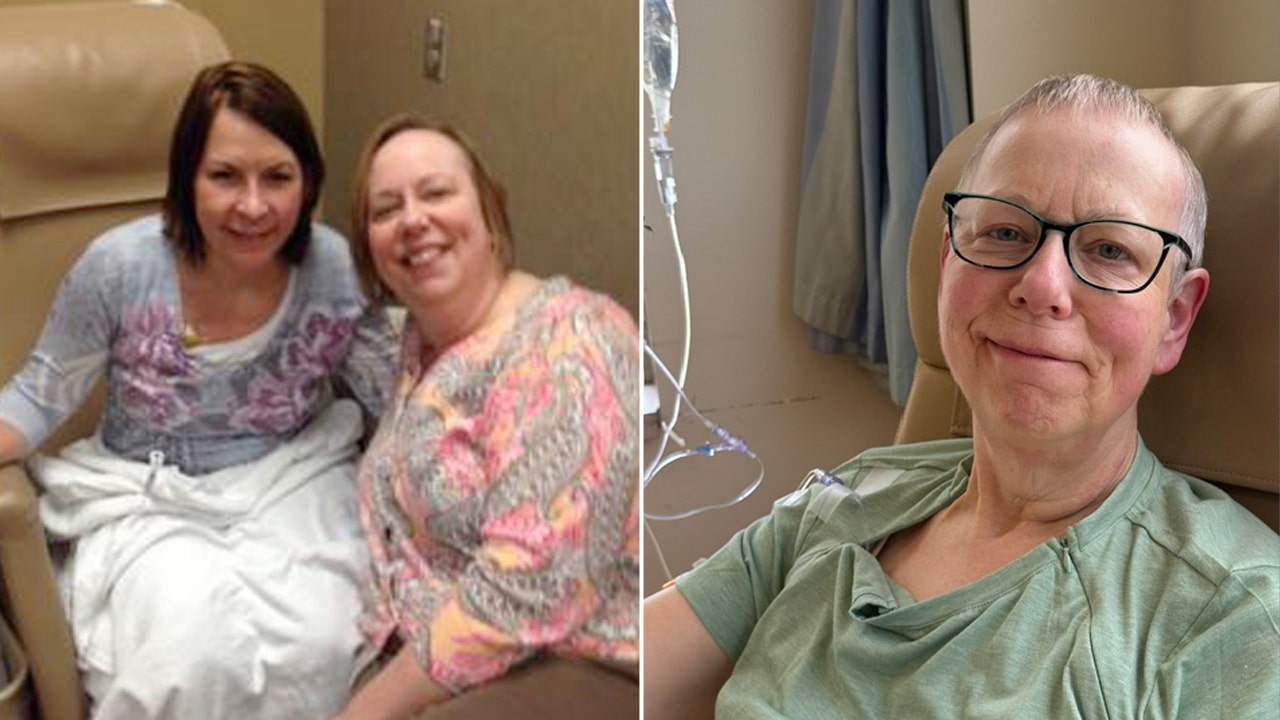
Becky Drexler’s story began when her best friend, Connie Dahl, was diagnosed with stage 4 ovarian cancer in 2015. Dahl passed away in 2017. Drexler, who volunteered with the Minnesota Ovarian Cancer Alliance (MOCA) during her friend’s battle, was diagnosed with stage 3B ovarian cancer in 2018. She initially ignored her symptoms, which included frequent urination, constipation, bloating, and hip pain. After a CT scan detected masses on both ovaries, she underwent surgery and chemotherapy.
Drexler’s cancer returned in 2020, and she opted for targeted radiation and a PARP inhibitor. She remained in remission until 2026, when a recurrence was detected. She is currently undergoing a treatment cycle that includes carboplatin, taxol, and avastin. Drexler continues to volunteer with MOCA and advocates for early detection. She credits advancements in treatment for her survival, but emphasizes the need for better early detection methods.
Ovarian cancer is often called the “silent killer” because symptoms are non-specific and often mistaken for other conditions. About 75% of women are diagnosed at stage 3 or 4, according to Brian M. Slomovitz, M.D., a gynecologic oncologist. He notes that symptoms like abdominal bloating, stomach pain, and weight loss can mimic everyday issues. Experts advise women to seek medical attention if symptoms persist for more than a couple of weeks.
Drexler urges women to listen to their bodies and advocate for themselves. She emphasizes the importance of seeing a gynecologic oncologist if diagnosed with ovarian cancer. Researchers have spent decades studying early detection, but no reliable screening method exists for women at average risk. When detected at stage 1, the cure rate for ovarian cancer is close to 90%, highlighting the need for continued research.
Despite advancements in treatment, ovarian cancer remains a significant challenge. Drexler’s journey reflects the ongoing struggle between hope and uncertainty. Her story underscores the importance of awareness, early detection, and the need for continued research into better diagnostic tools and treatments.