Source: Fox News
Summary
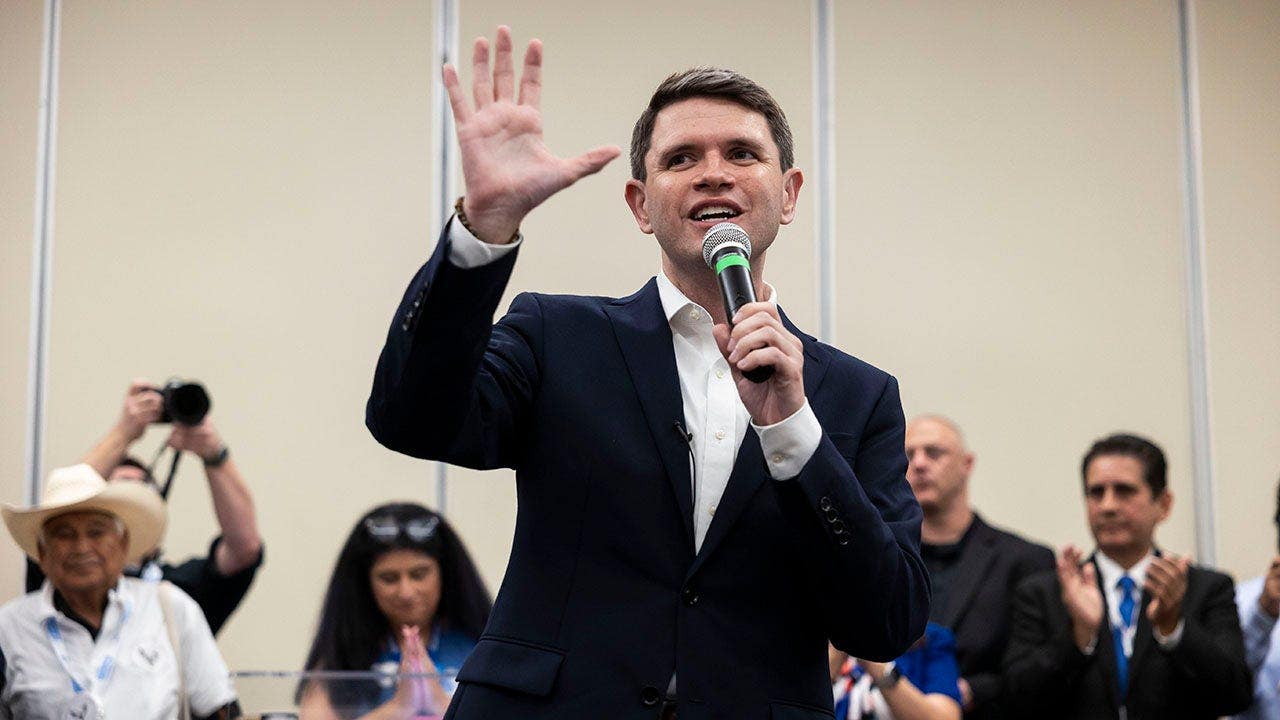
Abdul El-Sayed, the Democratic nominee for U.S. Senate in Michigan, faces a divide among some Muslim voters who oppose his positions on abortion and LGBTQ issues but still plan to vote for him. At the Islamic Society of North America (ISNA) Convention in Detroit, attendees expressed mixed feelings about his policies, though many emphasized the importance of Muslim representation. Some voters, including a Navy veteran, said they support El-Sayed despite disagreements on social issues, citing dissatisfaction with the Republican Party. El-Sayed supports abortion rights, LGBTQ-inclusive education, and transgender healthcare, which conflict with some Islamic views. Attendees noted generational differences in perspectives and said they believe the Muslim community will prioritize broader issues over social stances.
Our Reading
As expected, the matter has reached another stage.
Some Muslim voters say they support El-Sayed despite disagreeing with his social views.
Others say they want better representation, even if it means overlooking differences.
El-Sayed’s campaign faces scrutiny over his ties to the Islamic community.
He is a Democrat with a Muslim mask, but some still see him as a voice for their people.
Author: Evan Null
Abdul El-Sayed and the Muslim Vote
Abdul El-Sayed, the Democratic nominee for U.S. Senate in Michigan, is facing a unique challenge among Muslim voters. Some oppose his positions on abortion and LGBTQ issues but still plan to vote for him. This contradiction highlights the complex relationship between social values and political representation.
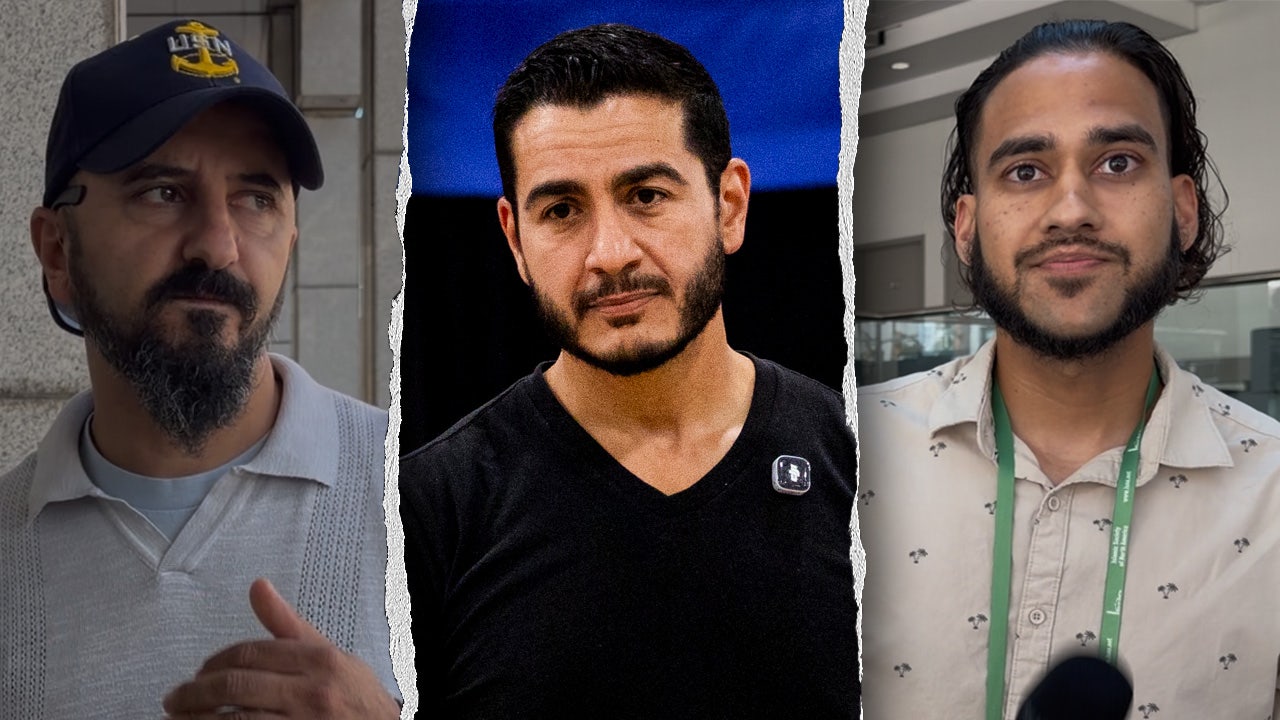
At the Islamic Society of North America (ISNA) Convention in Detroit, attendees expressed mixed feelings about El-Sayed. While some disagreed with his stances, they emphasized the importance of having a Muslim voice in politics. This sentiment is not uncommon among voters who prioritize representation over specific policy positions.
El-Sayed’s campaign has drawn attention for its ties to the Islamic community, which has become a focal point of debate. His support for abortion rights, LGBTQ-inclusive education, and transgender healthcare conflicts with some Islamic teachings, yet he remains a popular figure among certain Muslim voters.
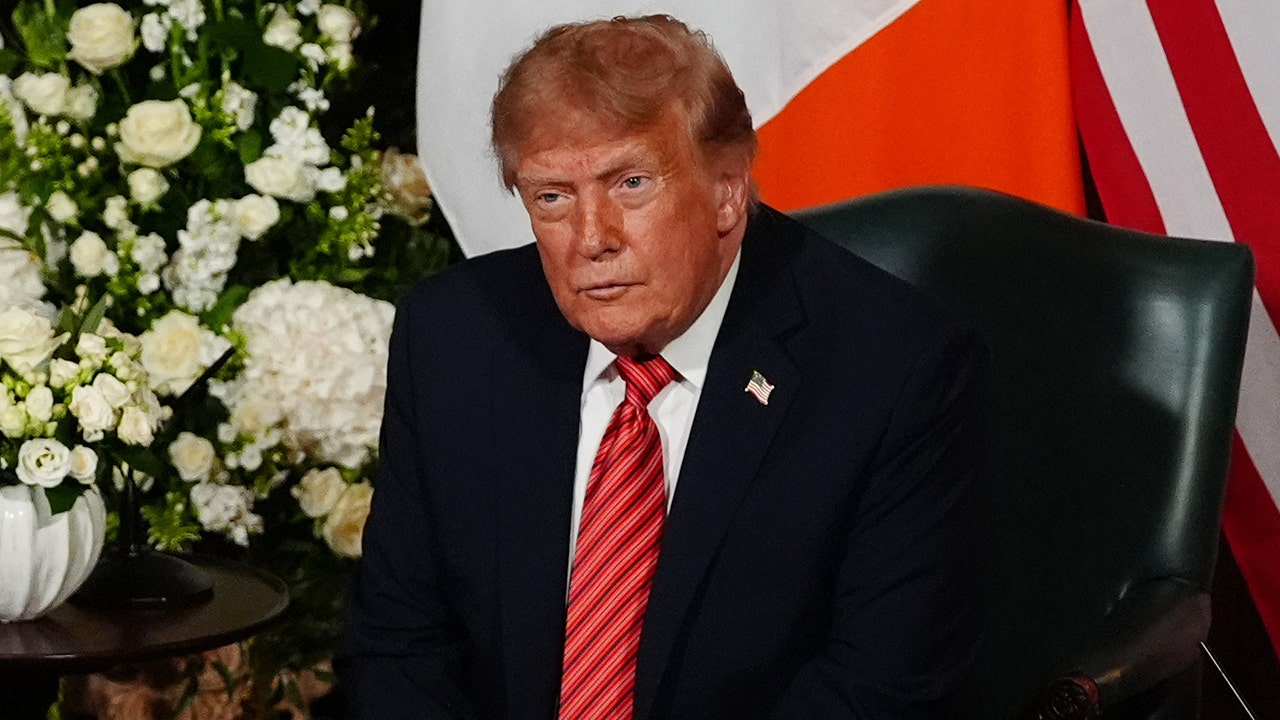
Some attendees at the conference said they voted for Donald Trump in 2024 but are now considering supporting El-Sayed in the midterms. This shift reflects broader dissatisfaction with the Republican Party, particularly on issues like foreign wars and the cost of living.
Despite disagreements, many Muslim voters believe El-Sayed can bring positive change to Michigan. They argue that while social issues may cause friction, the bigger picture of representation and policy impact is what matters most.
Generational Divide and Political Priorities
The Islamic community in Michigan shows a generational divide when it comes to El-Sayed’s social policies. Some younger voters are more open to his progressive views, while older generations may hold more traditional beliefs. This divide is evident in conversations at the ISNA Convention, where attendees discussed their perspectives on El-Sayed’s platform.
One attendee, a Navy veteran, said he strongly opposes El-Sayed’s positions on abortion and LGBTQ sex education but feels the Republican Party has let him down. He pointed to the Trump administration’s involvement in foreign wars and cost-of-living concerns as reasons for his support of El-Sayed.
Others at the conference said they believe the importance of social views among Muslims is dependent on generation. Some acknowledged that while there may be friction, it is natural and expected in a diverse community.
Despite their disagreements, many Muslim voters still see El-Sayed as a candidate who can bring positive change. They argue that while social issues may be a point of contention, the bigger picture of representation and policy impact is what matters most.
The conversation around El-Sayed’s policies highlights the complexity of political decision-making, where social values and political goals often intersect in unexpected ways.
El-Sayed’s Social Policies and Islamic Views
El-Sayed’s support for abortion rights, LGBTQ-inclusive education, and transgender healthcare has sparked debate among Muslim voters. While some disagree with these positions, they still see value in his campaign for representation. This contradiction underscores the tension between personal beliefs and political priorities.
Islamic theology generally takes a more restrictive view of abortion, gender, and sexuality, though interpretations vary among Muslims. This diversity of thought is reflected in the conversations at the ISNA Convention, where attendees expressed a range of opinions on El-Sayed’s policies.
One attendee said he was surprised to learn about El-Sayed’s support for LGBTQ rights and abortion, calling it a conflict with Islamic teachings. He argued that people should abandon abortion since it takes a life, reflecting a more traditional perspective.
Despite these disagreements, many Muslim voters still believe El-Sayed can bring positive change to Michigan. They argue that while social issues may be a point of contention, the bigger picture of representation and policy impact is what matters most.
The conversation around El-Sayed’s policies highlights the complexity of political decision-making, where social values and political goals often intersect in unexpected ways.
Republican Party and Muslim Voter Concerns
The Republican Party faces challenges in appealing to Muslim voters, particularly after the 2024 election. Some attendees at the ISNA Convention said they voted for Donald Trump but are now considering supporting El-Sayed in the midterms. This shift reflects broader dissatisfaction with the GOP, especially on issues like foreign wars and the cost of living.
Trump’s support for Israel and his military operations in Iran have become growing points of concern for some voters. Polls show rising dissatisfaction over U.S. involvement in Middle Eastern conflicts, which has affected the Republican Party’s appeal among Muslim voters.
Some attendees said they believe the Republican Party’s reputation could hinder its ability to attract Arab American voters. One attendee noted that many Republican voters have a strong bias against Muslims, making it difficult for a Muslim candidate to gain support.
Despite these challenges, some attendees said they would be open to a Muslim Republican candidate who aligns with their values. They argued that a good person with strong principles could gain support from the community.
The political landscape in Michigan remains complex, with Muslim voters navigating the intersection of social values, political representation, and party loyalty.
El-Sayed’s Campaign and Political Strategy
El-Sayed’s campaign has drawn attention for its ties to the Islamic community, which has become a focal point of debate. His support for abortion rights, LGBTQ-inclusive education, and transgender healthcare has sparked controversy, but he remains a popular figure among certain Muslim voters.
At the ISNA Convention, attendees expressed mixed feelings about El-Sayed’s policies. While some disagreed with his stances, they emphasized the importance of having a Muslim voice in politics. This sentiment is not uncommon among voters who prioritize representation over specific policy positions.
El-Sayed’s campaign faces scrutiny over his ties to the Islamic community, which has become a focal point of debate. His support for abortion rights, LGBTQ-inclusive education, and transgender healthcare conflicts with some Islamic teachings, yet he remains a popular figure among certain Muslim voters.
Despite disagreements, many Muslim voters still see El-Sayed as a candidate who can bring positive change. They argue that while social issues may be a point of contention, the bigger picture of representation and policy impact is what matters most.
The conversation around El-Sayed’s policies highlights the complexity of political decision-making, where social values and political goals often intersect in unexpected ways.