—
Source: FOX NEWS
Summary
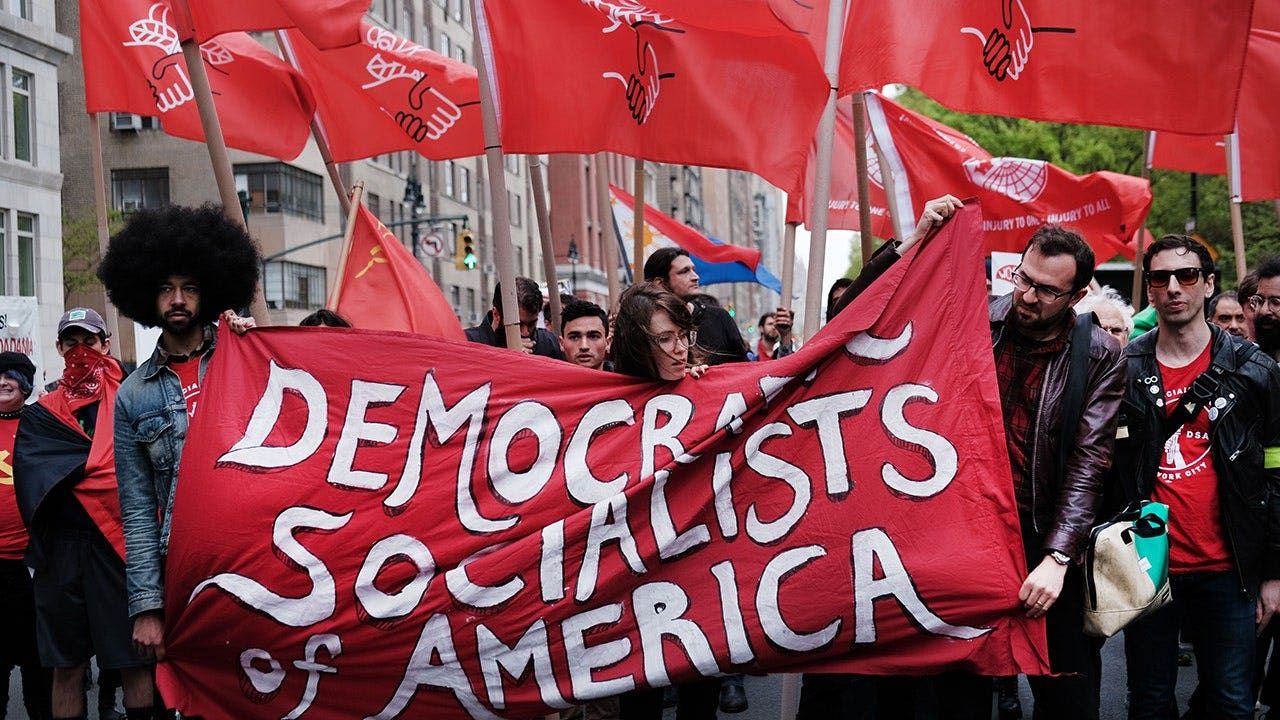
A wealthy tech investor, Scott Banister, has pledged $40 million to Make Liberty Win, a right-of-center political organization, to counter the influence of the Democratic Socialists of America in state-level races. The funding is being used in nine states, with plans to expand to at least a dozen. The group focuses on mobilizing student and youth activists to engage voters. Republicans face a challenge as Democrats are projected to outspend them in state races by a three-to-one margin. Make Liberty Win emphasizes door-to-door outreach rather than direct candidate funding.
Our Reading
As expected, the matter has reached another stage.
Scott Banister writes a check for 40 million.
Make Liberty Win sends volunteers to knock on doors.
Democrats are called socialists in press releases.
Money moves, and the same questions return.
Author: Evan Null
Scott Banister’s Investment
Scott Banister, a libertarian and early investor in companies like PayPal, Uber, and SpaceX, has committed $40 million to Make Liberty Win. This funding is aimed at countering the influence of the Democratic Socialists of America in state-level races. Banister’s investment highlights the growing financial influence of private donors in political campaigns.
The money is being used in nine states, including Wisconsin, Michigan, and Georgia, with plans to expand to a dozen. This move comes as Republicans face a challenge in state races, where Democrats are projected to outspend them by a three-to-one margin. The funding is part of a broader strategy to counter what the organization describes as the rise of socialist Democrats.
Make Liberty Win, a Republican-aligned political organization, focuses on mobilizing student and youth activists. The group emphasizes door-to-door outreach and phone banking rather than direct financial support to candidates. This approach reflects a shift in how political campaigns are funded and managed in the current landscape.
The organization’s CEO, Jeff Frazee, stated that Make Liberty Win will execute a comprehensive strategy to counter socialist Democrats and win at the state level. The funding is part of a larger effort to influence the political landscape, with the potential for more contributions from other donors.
The $40 million investment underscores the significant role that private donors play in shaping political outcomes. It also highlights the growing importance of state-level races in the broader political strategy of both major parties.
Make Liberty Win’s Strategy
Make Liberty Win is a Republican-aligned political organization with a distinct libertarian focus. The group aims to counter the influence of the Democratic Socialists of America by mobilizing student and youth activists. This strategy emphasizes grassroots engagement, including door-to-door outreach and phone banking, rather than direct financial support to candidates.
The organization’s approach reflects a broader trend in political campaigns, where the emphasis is shifting from traditional fundraising to more direct forms of voter engagement. This strategy is seen as a way to build political movements at the state level, where the influence of political parties is often strongest.
Make Liberty Win’s focus on mobilizing young voters is a key part of its strategy. By targeting this demographic, the organization hopes to counter the growing influence of socialist Democrats in state-level races. This approach is part of a larger effort to shape the political landscape in favor of the Republican Party.
The group’s emphasis on grassroots engagement is a response to the challenges posed by the Democratic Party’s growing influence. By mobilizing student and youth activists, Make Liberty Win aims to create a counter-movement that can challenge the dominance of socialist Democrats in key states.
This strategy highlights the increasing importance of state-level races in the broader political landscape. It also underscores the role of private donors in shaping the direction of political campaigns and the strategies employed by political organizations.
Republican Challenges in State Races
Republicans face a significant challenge in state-level races, where Democrats are projected to outspend them by a three-to-one margin. This financial disadvantage is a major concern for the Republican Party, as state-level races are crucial for shaping the political landscape. The funding provided by Scott Banister and other donors is seen as a way to mitigate this disadvantage.
The Republican State Leadership Committee has expressed concerns about the financial gap between the two parties. This gap is seen as a major obstacle to the party’s ability to win key state races. The funding from Make Liberty Win is intended to help close this gap and provide the necessary resources to compete effectively.
The financial challenge is not just about the amount of money spent, but also about the strategic use of resources. Republicans are looking for ways to maximize their impact in state races, which are often seen as the foundation for national political success. This includes not only direct campaign spending but also the use of grassroots strategies to engage voters.
The financial disparity between the two parties is a reflection of the broader political landscape. Democrats have been able to leverage their resources more effectively, which has allowed them to gain a foothold in key states. This trend is seen as a threat to the Republican Party’s ability to maintain its influence at the state level.
The challenge of state-level races is a key factor in the broader political strategy of both parties. Republicans are looking for ways to close the financial gap and gain a stronger foothold in key states, which is essential for their long-term political goals.
Impact of Private Donors
The role of private donors in shaping political outcomes is becoming increasingly significant. Scott Banister’s $40 million investment in Make Liberty Win is a prime example of how private funding can influence the political landscape. This investment highlights the growing power of individual donors in shaping the strategies and outcomes of political campaigns.
Private donors are often able to provide the necessary resources to support political organizations and campaigns. This can be particularly impactful in state-level races, where the financial resources available to candidates can be limited. The funding from private donors is seen as a way to level the playing field and provide the necessary support to compete effectively.
The influence of private donors is not limited to direct financial support. It also includes the strategic direction of political organizations and the focus of their campaigns. This can have a significant impact on the political landscape, as it allows donors to shape the narrative and priorities of political movements.
The growing influence of private donors is a reflection of the broader trends in political financing. As traditional sources of funding become more limited, private donors are stepping in to provide the necessary resources to support political campaigns and organizations. This trend is likely to continue, with private donors playing an increasingly important role in shaping the political landscape.
The impact of private donors is a key factor in the broader political strategy of both major parties. Their influence is seen as a way to gain a competitive edge in state-level races, which are crucial for shaping the political landscape and achieving long-term political goals.
State-Level Political Dynamics
State-level races are a critical component of the broader political landscape. These races are often seen as the foundation for national political success, as they shape the political environment in key states. The dynamics of these races are influenced by a variety of factors, including financial resources, grassroots engagement, and the strategic focus of political organizations.
The financial disparity between the two major parties is a significant factor in state-level races. Democrats are projected to outspend Republicans by a three-to-one margin, which poses a challenge for the Republican Party. This financial gap is seen as a major obstacle to the party’s ability to compete effectively in key states. The funding provided by private donors like Scott Banister is intended to help close this gap and provide the necessary resources to compete.
The strategic focus of political organizations is another key factor in state-level races. Make Liberty Win, for example, emphasizes grassroots engagement and mobilizing student and youth activists. This approach is seen as a way to counter the influence of socialist Democrats and build political movements at the state level. The focus on grassroots engagement reflects a broader trend in political campaigns, where the emphasis is shifting from traditional fundraising to more direct forms of voter engagement.
The role of private donors in shaping the strategies and outcomes of state-level races is becoming increasingly significant. Their influence is seen as a way to gain a competitive edge in key states, which is essential for the long-term political goals of both major parties. This trend highlights the growing importance of state-level races in the broader political landscape.
The dynamics of state-level races are complex and multifaceted. They involve a combination of financial resources, strategic focus, and the influence of private donors. These factors collectively shape the political landscape and determine the outcomes of key races, which are crucial for the broader political strategy of both parties.