Source: Fortune
Summary
U.S. President Donald Trump announced that Irish whiskey will be tariff-free, following discussions at the Irish Open. The move comes as Canadian products, including alcohol, face heavy tariffs and import bans. Irish whiskey currently faces a 10% tariff, down from 15% in July. The Irish Whiskey Association welcomed the decision, noting the importance of the U.S. market. The White House did not immediately comment on the tariff removal. Canada has retaliated with tariffs on U.S. goods, including steel and furniture.
Our Reading
The announcement sounds familiar.
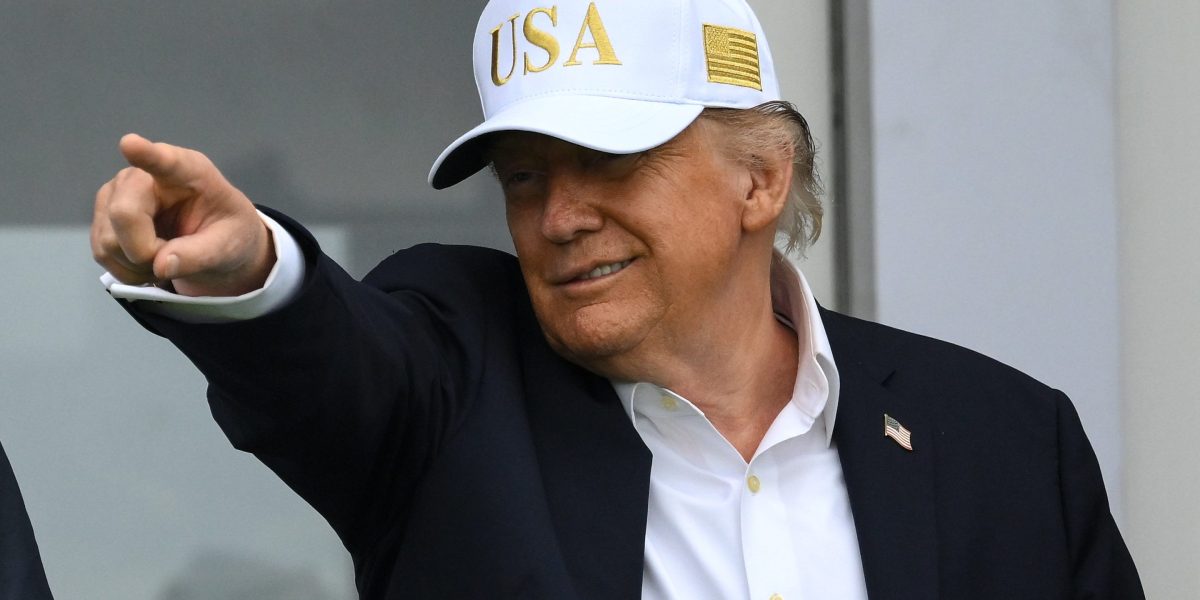
Trump talks up Irish whiskey at a golf event.
Tariffs on Canadian goods stay high.
Trade tensions continue between the U.S. and Canada.
Tariff politics remain a key part of the administration’s strategy.
Author: Evan Null
Ireland Cheers, Canada Boos
Trump’s decision to remove tariffs on Irish whiskey has been welcomed by Irish distillers, who see it as a boost to their exports. The move comes as the U.S. continues to impose high tariffs on Canadian goods, including alcohol, dairy, and motor vehicles. The White House announced that Canada will face import bans on these products, further straining the trade relationship between the two countries.
Trade War Escalates
Canada has responded with retaliatory tariffs on U.S. goods, including steel, clothing, and furniture. These countermeasures are expected to raise costs for Canadian businesses and consumers. The economic impact of the trade war is expected to be significant, with some sectors benefiting while others suffer. The situation highlights the growing tensions between the U.S. and Canada over trade policies.
Irish Whiskey Gains Ground
The removal of tariffs on Irish whiskey is seen as a major win for the industry. Irish distillers had been at a disadvantage compared to U.K. rivals, but the new policy is expected to level the playing field. The Irish Whiskey Association praised the decision, citing the importance of the U.S. market for their exports. The move is also expected to strengthen trade relations between the U.S. and Ireland.
Canadian Businesses Face Challenges
Canadian businesses are now facing increased costs due to the new tariffs. The retaliatory measures from Canada are expected to hurt many industries, particularly those that rely on U.S. imports. The added costs could lead to higher consumer prices and reduced competitiveness for Canadian firms. The situation is a clear example of how trade policies can have wide-ranging effects on the economy.
Global Trade Tensions Rise
The ongoing trade disputes between the U.S. and Canada are part of a broader pattern of global trade tensions. Countries are increasingly using tariffs as a tool to protect domestic industries and respond to perceived unfair trade practices. The situation highlights the complexity of international trade and the challenges of maintaining stable economic relationships in a competitive global market.