Source: Fortune
Summary
A University of Washington in St. Louis study published in the Management Science journal found that as more consumers use buy now, pay later (BNPL) services for groceries, retailers may raise prices and reduce inventory. The study, led by Panos Kouvelis, showed that BNPL’s merchant fees push retailers to increase sticker prices, affecting all consumers. A Lending Tree survey found 29% of Americans use BNPL for groceries, up from 14% in 2021. The Federal Reserve Bank of Richmond reported a 20% rise in BNPL transactions from 2021 to 2025. Retailers face pressure to maintain margins on low-margin goods like groceries, which could lead to fewer product choices.
Our Reading
The numbers tell one story.
Retailers raise prices to offset BNPL fees.
Consumers pay more, even if they don’t use BNPL.
Profit margins shrink on essentials like groceries.
BNPL’s growth could lead to fewer choices and higher costs for everyone.
Author: Evan Null
Why Buy Now, Pay Later Might Sting Consumers and Retailers Alike
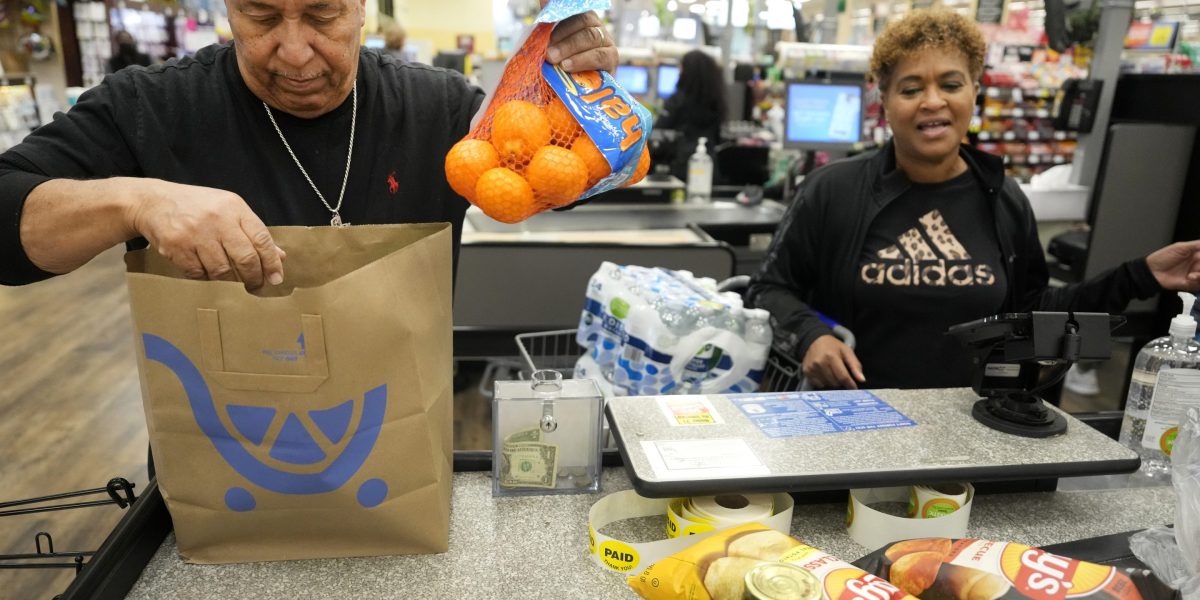
The rise of buy now, pay later (BNPL) services has shifted how consumers manage their purchases, especially for essentials like groceries. Originally designed for larger, discretionary items, BNPL has expanded into everyday shopping, where profit margins are much thinner. This shift has created new challenges for retailers, who must balance the costs of BNPL fees with maintaining profitability on low-margin goods.
Retailers face pressure to increase prices to offset the merchant fees associated with BNPL transactions. This means that even consumers who don’t use BNPL end up paying more. The study by Panos Kouvelis highlights how this dynamic affects all shoppers, as higher prices are passed along to everyone, regardless of payment method.
The trend also raises concerns about the long-term sustainability of BNPL for both consumers and retailers. While the average debt from BNPL is relatively small, the lack of regulation and the potential for accumulating multiple loans could lead to financial strain for some users. This could, in turn, affect retailers if customers struggle to pay or reduce their overall spending.
For retailers, the challenge is twofold: maintaining profitability on essential goods while managing the costs of BNPL. If they can’t balance these pressures, they may be forced to reduce inventory or stop stocking certain items, limiting consumer choices. This creates a cycle where both consumers and retailers face increased costs and fewer options.
The study underscores the need for a more balanced approach to BNPL, one that considers the long-term impacts on both sides of the transaction. As the use of BNPL continues to grow, the implications for the retail sector and consumer behavior remain significant and complex.
Buy Now, Pay Later’s Hidden Dangers
While BNPL services offer convenience, they also come with hidden risks that many consumers may not fully understand. One of the biggest concerns is the lack of regulation in the industry. Unlike traditional credit products, BNPL providers often do not report debt to credit agencies, leading to what experts call “phantom debt.” This means that some users may be carrying multiple loans without realizing the full extent of their financial obligations.
The study by Panos Kouvelis highlights how this lack of transparency can lead to financial strain for consumers, especially those who are already living on the edge. Even though the average BNPL debt is relatively small, the cumulative effect of multiple loans can be significant. Lending Tree data shows that nearly half of BNPL users have been late in repaying a loan in the past year, indicating potential issues with debt management.
For retailers, the risks are also growing. As more consumers rely on BNPL, the pressure to maintain profitability on low-margin goods increases. This could lead to higher prices, reduced inventory, or even the removal of certain products from shelves. The study suggests that retailers may be hoping to offset these losses by encouraging customers to buy more items, but this strategy is not guaranteed to succeed.
Experts warn that the BNPL model, while appealing in the short term, could have long-term consequences for both consumers and retailers. As the industry continues to expand, there is a growing need for greater oversight and transparency to ensure that it remains a viable and responsible option for all users.
The potential for financial strain and reduced consumer choice highlights the need for a more sustainable approach to BNPL. Both consumers and retailers must be aware of the risks and benefits of this model, and the industry must take steps to address these concerns before they become more widespread.
Consumer Behavior and Retailer Responses
As more consumers turn to BNPL for essential purchases, retailers are adjusting their strategies to cope with the financial implications. The study by Panos Kouvelis shows that retailers are increasing prices to offset the costs of BNPL fees, which can lead to higher overall costs for all shoppers. This shift in pricing strategy is a direct response to the growing reliance on BNPL, as retailers seek to maintain their profit margins on low-margin goods like groceries.
However, this approach may not be sustainable in the long term. If prices continue to rise, consumers may become more cautious about their spending, potentially reducing the overall demand for goods. This could lead to a cycle where higher prices result in lower sales, which in turn puts more pressure on retailers to maintain profitability.
For consumers, the use of BNPL for essential purchases can create a sense of financial strain, especially if they are not fully aware of the long-term implications. While the average BNPL debt is relatively small, the cumulative effect of multiple loans can be significant. This highlights the need for greater financial education and awareness, so that consumers can make informed decisions about their spending habits.
Retailers are also facing the challenge of balancing the costs of BNPL with the need to remain competitive. As more consumers use BNPL, retailers must find ways to offset these costs without driving away customers. This could involve adjusting pricing strategies, improving inventory management, or exploring alternative payment methods that are more cost-effective for both parties.
The study underscores the complex relationship between consumer behavior and retailer responses in the BNPL space. As the industry continues to evolve, both consumers and retailers must adapt to the changing landscape to ensure long-term sustainability and profitability.
The Future of Buy Now, Pay Later
The future of buy now, pay later (BNPL) remains uncertain as the industry continues to grow and evolve. While the convenience and flexibility of BNPL have made it an attractive option for many consumers, the long-term implications for both users and retailers are still being explored. The study by Panos Kouvelis highlights the potential risks associated with the widespread use of BNPL, particularly in the context of essential purchases like groceries.
As the use of BNPL continues to rise, there is a growing need for greater regulation and oversight to ensure that the industry operates in a responsible and sustainable manner. Without proper safeguards, the risks of financial strain and reduced consumer choice could become more pronounced, affecting both individuals and the broader economy.
For retailers, the challenge lies in finding a balance between maintaining profitability and adapting to the changing landscape of consumer spending. As more shoppers rely on BNPL, retailers must develop strategies that allow them to offset the costs of these transactions without negatively impacting their customers. This could involve adjusting pricing models, improving inventory management, or exploring alternative payment methods that are more cost-effective for both parties.
Consumers, on the other hand, must remain informed about the potential risks and benefits of using BNPL for essential purchases. While the service offers convenience, it is important to understand the long-term financial implications and to make responsible spending decisions. As the industry continues to expand, both consumers and retailers will need to navigate these challenges carefully to ensure a sustainable and equitable future.
The study by Panos Kouvelis serves as a reminder of the complex dynamics at play in the BNPL space. As the industry continues to grow, it is essential to address the concerns raised by researchers and to develop solutions that benefit all stakeholders involved.