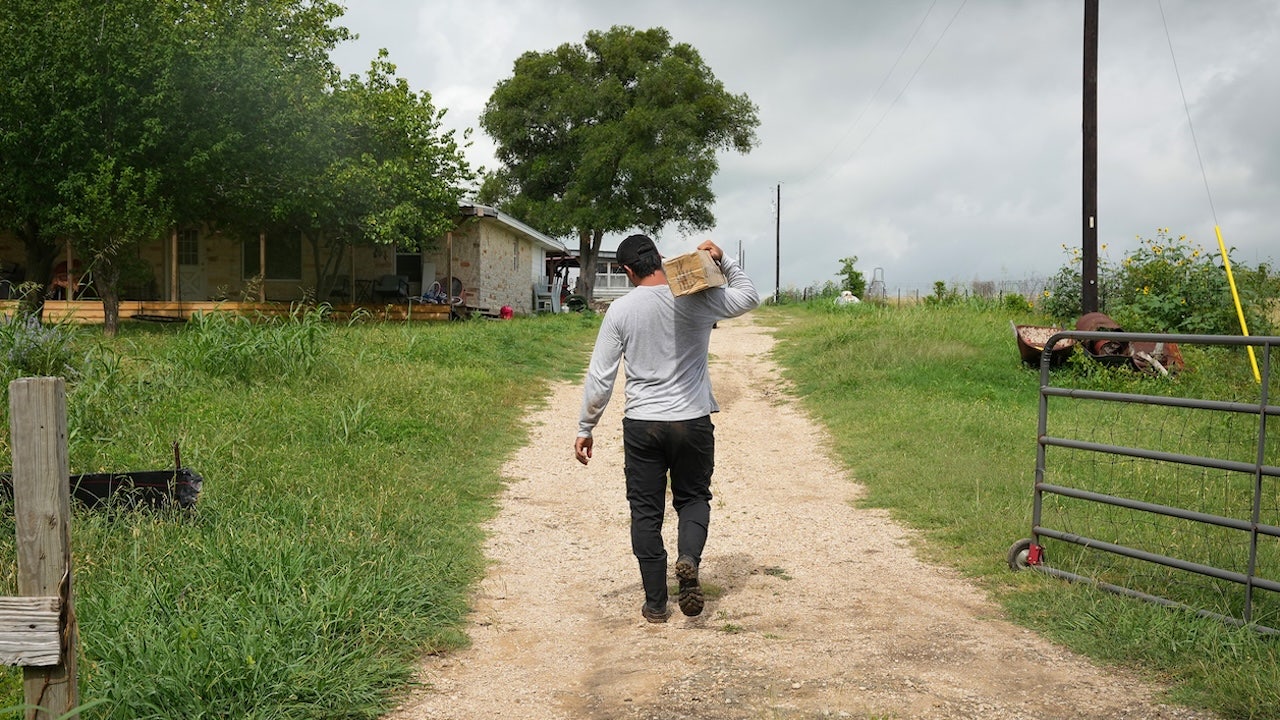
Source: Fox News
Summary
A mysterious kidney disease, chronic kidney disease of unknown etiology (CKDu), has been reported in Texas among agricultural workers, similar to cases in Central America and South Asia. Unlike typical kidney disease, CKDu affects young, healthy individuals without common risk factors like diabetes or hypertension. Researchers suggest heat stress, dehydration, and environmental exposures may contribute. Diagnosis involves ruling out other causes, and treatment focuses on managing symptoms. Experts recommend regular screening for workers in high-risk environments.
Our Reading
This guidance has been heard before.
CKDu has appeared in different regions over decades, each time with similar patterns.
Experts link it to heat, labor, and environmental factors, but no clear cause exists.
Screening and early detection are emphasized, but access remains limited.
The advice sounds familiar, but the disease keeps evolving.
Author: Evan Null
CKDu in Texas
Chronic kidney disease of unknown etiology (CKDu) has been reported in Texas, affecting young agricultural workers. This condition, previously seen in Central America and South Asia, has no known cause and develops without traditional risk factors.
Experts say the disease is linked to heat stress, dehydration, and environmental exposures, but no definitive cause has been identified. Diagnosis is made by ruling out other conditions, and treatment is limited to managing symptoms and complications.
Workers in hot, labor-intensive jobs are at higher risk, but access to healthcare and screening remains a challenge. Many affected individuals are undocumented, making it harder to track and treat the disease.
Regular kidney function tests are recommended for workers in high-risk environments. Early detection is key, but the disease often progresses rapidly, leading to severe outcomes.
Research continues to explore the causes and potential solutions for CKDu, but the condition remains a significant health concern in agricultural communities.
Historical Context
CKDu has been documented in various regions over the decades. Balkan endemic nephropathy was first noted in the 1950s, while Itai itai disease in Japan was linked to cadmium contamination. Sri Lanka nephropathy has been studied since the 1990s, and Mesoamerican nephropathy was first described in the late 1990s.
These regional cases share similarities, suggesting a common underlying cause. Researchers believe CKDu may be a cluster of related conditions that appear in different farming and industrial regions around the world.
Despite the similarities, the exact cause of CKDu remains unknown. Some experts suggest a combination of occupational and environmental factors, including heat stress, dehydration, and exposure to pesticides.
Historical cases show that CKDu has been present for decades, but its emergence in Texas highlights the ongoing need for research and awareness. The disease continues to affect vulnerable populations, particularly those in low-resource areas.
Experts emphasize the importance of early detection and regular screening for workers in high-risk environments. However, access to healthcare and resources remains a challenge for many affected individuals.
Health Impacts and Challenges
CKDu can lead to severe kidney failure, with symptoms appearing only after significant damage has occurred. The disease is often referred to as a “silent disease” because patients may not show symptoms in the early stages.
Without early detection, CKDu can progress to end-stage kidney disease, requiring dialysis or transplantation. However, these treatments are often unaffordable or inaccessible in resource-poor regions.
Heat stress is considered a leading suspected factor in CKDu. Strenuous outdoor labor, combined with limited access to water and shade, may contribute to the disease’s development.
Workers may also be exposed to unsafe drinking water and use over-the-counter medications like NSAIDs, which can further strain the kidneys. These factors, combined with repeated dehydration and heat stress, may increase the risk of kidney damage.
Experts suggest that improving hydration, reducing work hours, and starting work earlier in the day could help prevent CKDu. However, implementing these changes remains a challenge in many affected communities.
Diagnosis and Treatment
There is no specific test for CKDu. Diagnosis involves ruling out other causes of chronic kidney disease and considering a patient’s occupational and environmental exposures. A kidney biopsy is the closest thing to a gold standard but is not practical for widespread screening.
Treatment for CKDu focuses on managing symptoms and complications. This includes controlling blood pressure, avoiding additional kidney injury, and using dialysis or transplantation in advanced cases. However, these treatments are often unavailable or unaffordable for many patients.
Some patients receive ACE inhibitors, which are commonly used to treat high blood pressure. However, these medications can sometimes worsen kidney function in dehydrated individuals, according to experts.
The disease often progresses rapidly, and without access to dialysis or transplantation, mortality rates are high. This highlights the importance of early detection and regular screening for at-risk populations.
Experts recommend regular kidney function tests, including blood tests for creatinine and urine tests for protein. These tests can detect early changes in kidney function before symptoms appear.
Public Health Recommendations
For individuals working in agricultural or outdoor labor jobs, especially in hot climates, regular kidney function checks are recommended. A simple blood test for creatinine and a urine test for protein can detect early changes in kidney function.
Experts suggest that workers should consult a primary care doctor at least twice a year for screening. Early detection is crucial, as CKDu often progresses without noticeable symptoms in the early stages.
Improving hydration, providing access to shade, and reducing work hours may help prevent CKDu. These measures could reduce heat stress and dehydration, which are believed to contribute to the disease.
Public health initiatives should focus on increasing awareness and access to healthcare for at-risk populations. This includes providing education on the risks of CKDu and the importance of regular screening.
As CKDu continues to emerge in new regions, ongoing research and collaboration are needed to better understand the disease and develop effective prevention and treatment strategies. Public health efforts must also address the challenges faced by vulnerable communities, including limited access to healthcare and resources.