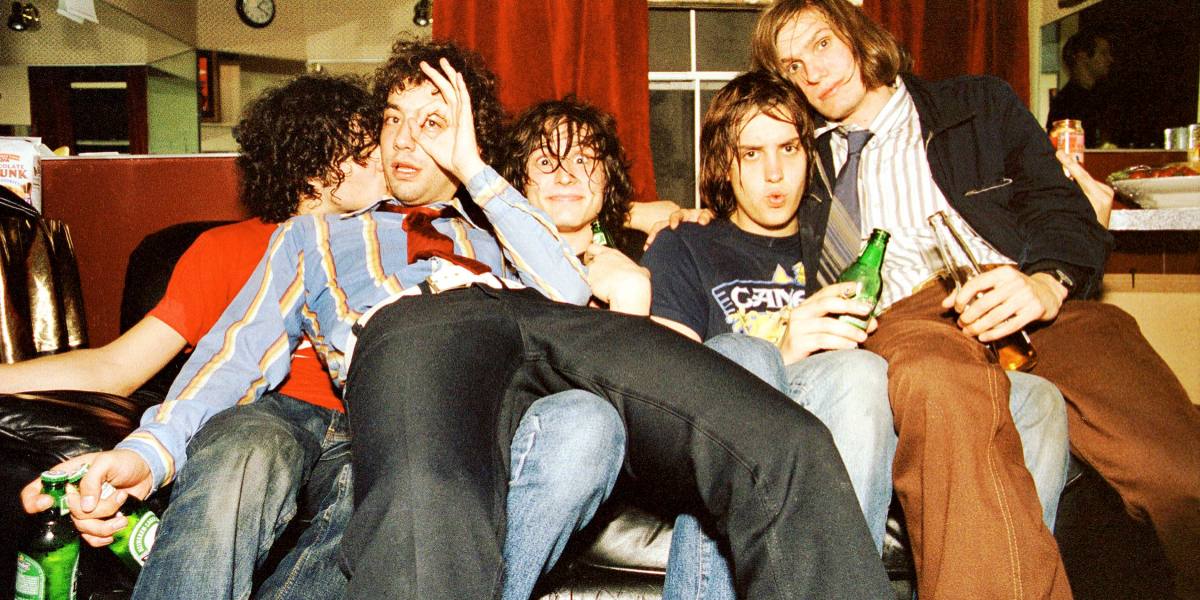
Source: Fortune
Summary
Chris Martin, a Glassdoor economist, said millennials in the U.S. have reached midcareer, with earnings largely peaked and growth expected to match inflation. He described the generation’s current sentiment as an “is this it?” moment, referencing The Strokes’ album. The Millennial Report highlights that 76% of millennials question their career paths, and 68% delayed major life milestones due to uncertainty. Burnout and job insecurity are higher among millennials, with women facing the largest gap in burnout mentions. Martin noted that millennials are navigating a more uncertain economic climate than Gen X did in 2011.
Our Reading
The numbers tell one story.
Millennials are hitting midcareer with mixed results.
Burnout and job insecurity are up.
They question if this is all there is.
It’s a generation asking if the hard work paid off.
Author: Evan Null
A different kind of midlife crisis
Millennials now make up 33% of the U.S. labor force, with more than a quarter actively questioning their career paths. The Glassdoor report shows that 68% of millennials delayed major life milestones due to career uncertainty. Burnout and job insecurity are higher among millennials, with women facing the largest gap in burnout mentions. The data suggests a generation in transition, navigating a complex economic landscape.
Millennials are hitting the same career stage as Gen X did in 2011, but under different economic conditions. Inflation has been above the Federal Reserve’s target, and AI-driven job uncertainty adds to the pressure. Martin said millennials are not in the same moment as their predecessors, with a more uncertain outlook. The report highlights a generation trying to balance stability and change in a shifting job market.
Despite the challenges, Martin noted that not all is doom and gloom. He said he would have preferred to become a manager in 2011 rather than 2026. The concept of “stability stacking” emerged as a response to the current moment, where employees must layer skills, income, and networks to protect against disruption. This reflects a labor market that demands constant adaptation and resilience.
The report also shows that millennials are more skeptical of leadership than other generations. They feel less trust in corporate institutions, shaped by events like the Great Recession and the pandemic. This has left many feeling isolated, even as they navigate similar challenges. The data underscores a generation that is both cautious and determined, trying to find stability in an uncertain world.
While the economy avoided a recession in 2023, Martin said it’s hard to tell if the landing is complete. The sentiment is one of cautious optimism, with conditions not as bad as feared. But the question remains: has the hard work paid off, or is this just the beginning of a new chapter?
The trust deficit nobody predicted
One of the most surprising findings in Martin’s research was that Gen Z, often seen as the most skeptical generation, gives senior leadership higher marks than other generations. This contradicts the expectation that Gen Z would be more critical of corporate motives. Instead, they show more optimism about the business outlook than any other group in the dataset.
Millennials, on the other hand, are the most skeptical of leadership. Martin attributed this to a series of “rug-pull” moments in their careers, including the Great Recession and the pandemic. These events have left them with a deep sense of distrust in institutions, making them less likely to believe in corporate promises. This trust deficit has shaped their approach to work and leadership.
The report highlights how millennials have been shaped by two major crises at critical career junctures. The Great Recession hit as they entered the workforce, and the pandemic struck as many were moving into management roles. These events have left a lasting impact, contributing to a generation that is both cautious and resilient. They are navigating a world where trust is hard to come by.
Despite the challenges, Martin said the economy has not been as bad as feared. A soft landing was achieved in 2023, and conditions are not as dire as some predicted. However, the uncertainty remains, and the question of whether the hard work has been worth it lingers. Millennials are trying to find stability in a world that is constantly changing.
The data shows that millennials are not just questioning their careers—they are redefining them. They are building new strategies for stability, adapting to a labor market that demands constant change. This reflects a generation that is both cautious and determined, trying to find their place in an uncertain future.