Source: Fox News
Summary
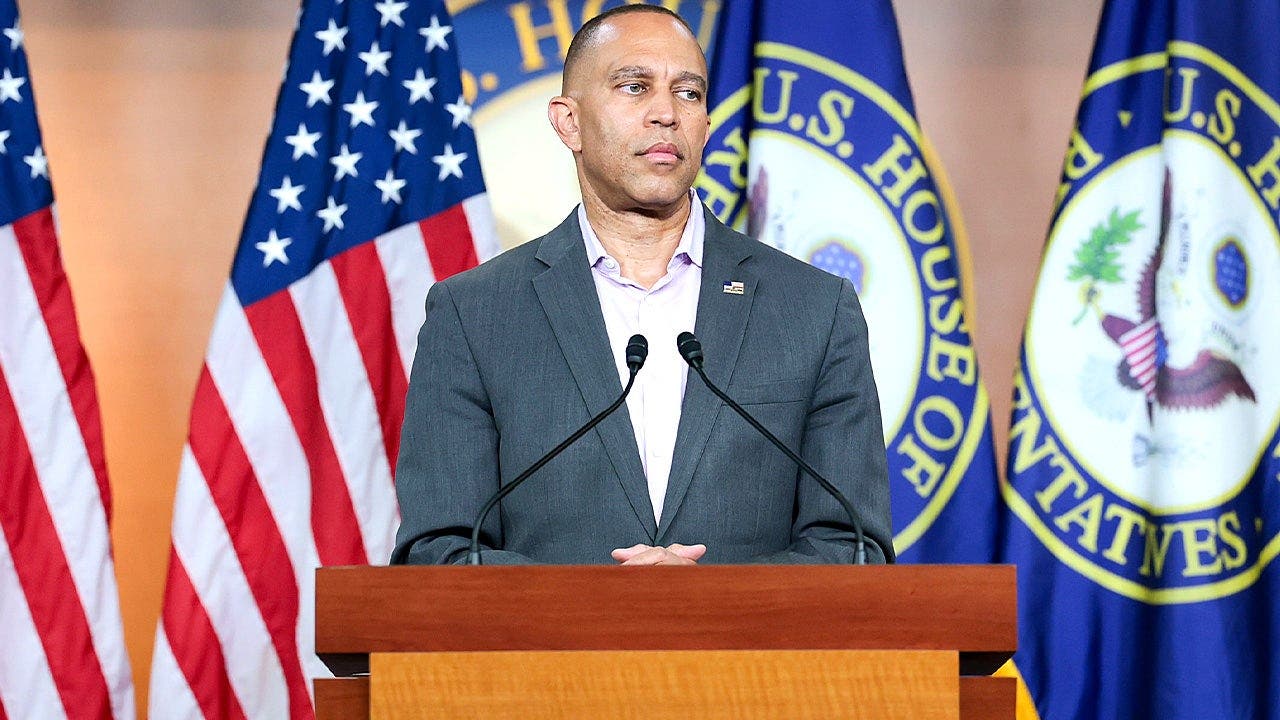
Rep. Al Green, D-Texas, pushed for a vote to impeach President Donald Trump over the killing of two U.S. citizens by federal immigration officials. The House voted to table the measure, with 232 to 147 in favor. Eighteen Democrats joined Republicans in supporting the motion, while 46 voted “present.” House Minority Leader Hakeem Jeffries and his allies also voted “present,” avoiding a direct stance on impeachment. Green criticized Democrats for not voting to impeach, calling their inaction a failure to act on constitutional duties.
Our Reading
As expected, the matter has reached another stage.
Rep. Al Green forced a vote on impeachment.
House Democrats split, some voting with Republicans.
Leaders like Hakeem Jeffries avoided taking a stand.
Impeachment becomes a ritual of division, not action.
Author: Evan Null
Impeachment as a Political Performance
The House Democrats faced a moment that tested their unity. Al Green, a vocal critic of Trump, pushed for impeachment, but the majority of his party avoided a direct vote. The result was a procedural move to table the resolution, which allowed the issue to be set aside without a formal decision.
Green’s effort highlighted the tension within the Democratic Party. Some members wanted to focus on Trump’s actions, while others prioritized the midterms and everyday issues. This divide was visible in the voting patterns, with some Democrats voting “present” to avoid taking a side.
House Minority Leader Hakeem Jeffries and his allies chose not to support the impeachment, citing the need for a more thorough process. Their decision reflected a strategy of avoiding political risk while maintaining a focus on broader issues like the cost of living.
Green, however, saw the inaction as a betrayal of constitutional duty. He argued that the Constitution does not allow for delays in addressing impeachable offenses. His frustration was evident in his public statements, where he accused some Democrats of protecting Trump.
The episode underscored how impeachment has become a recurring ritual in American politics. It is not just about justice or accountability, but about the performance of party loyalty and political strategy.
The Ritual of Impeachment
Impeachment is not a one-time event but a recurring ritual that plays out in the halls of Congress. It is a way for politicians to signal their stance, even when the outcome is uncertain. In this case, the vote to table the resolution allowed the issue to be set aside without a clear decision.
The process revealed the internal struggles within the Democratic Party. Some members, like Al Green, saw impeachment as a necessary step, while others, like Hakeem Jeffries, viewed it as a distraction from more pressing concerns. This tension is not new, but it continues to resurface in different forms.
The procedural vote to table the resolution was a way to avoid a direct vote on impeachment. It allowed Democrats to appear neutral while still allowing Republicans to block the measure. This kind of maneuver is common in political settings, where the goal is often to avoid controversy rather than to take a stand.
Green’s frustration was not just about the outcome of the vote, but about the way the process unfolded. He saw it as a failure of leadership, where the party’s priorities were more about political survival than constitutional duty.
Impeachment, in this case, became less about the actual act of removing a president and more about the performance of political strategy and party loyalty.
Impeachment and the Politics of Delay
The vote to table the impeachment resolution was a way to avoid a direct decision. It allowed the issue to be set aside without a clear vote, which may have been a strategic move to avoid further division within the party.
House Minority Leader Hakeem Jeffries and his allies chose to vote “present,” which is a common way to avoid taking a side. This approach allowed them to maintain a neutral stance while still allowing the resolution to be blocked by Republicans.
Green, however, saw this as a failure of leadership. He argued that the Constitution does not allow for delays in addressing impeachable offenses, and he criticized those who chose not to vote for impeachment.
The debate over impeachment is not just about the actions of a president, but about the way political leaders choose to respond. In this case, the decision to table the resolution was a way to avoid a direct vote, which may have been a way to prevent further division within the party.
Impeachment, in this context, became a ritual of delay and avoidance, rather than a direct path to accountability.
Impeachment and the Struggle for Party Unity
The vote to table the impeachment resolution exposed the deep divisions within the Democratic Party. Some members, like Al Green, were willing to take a stand, while others, like Hakeem Jeffries, preferred to avoid the issue altogether.
This split was not just about the merits of impeachment, but about the broader strategy of the party. Some members wanted to focus on Trump’s actions, while others were more concerned with the midterms and the issues that matter to everyday voters.
The procedural vote to table the resolution was a way to avoid a direct decision, which may have been a way to prevent further conflict within the party. It allowed Democrats to appear unified while still allowing Republicans to block the measure.
Green’s frustration was not just about the outcome of the vote, but about the way the process unfolded. He saw it as a failure of leadership, where the party’s priorities were more about political survival than constitutional duty.
Impeachment, in this case, became less about the actual act of removing a president and more about the performance of political strategy and party loyalty.
Impeachment as a Political Performance
The vote to table the impeachment resolution was a way to avoid a direct decision. It allowed the issue to be set aside without a clear vote, which may have been a strategic move to avoid further division within the party.
House Minority Leader Hakeem Jeffries and his allies chose to vote “present,” which is a common way to avoid taking a side. This approach allowed them to maintain a neutral stance while still allowing the resolution to be blocked by Republicans.
Green, however, saw this as a failure of leadership. He argued that the Constitution does not allow for delays in addressing impeachable offenses, and he criticized those who chose not to vote for impeachment.
The debate over impeachment is not just about the actions of a president, but about the way political leaders choose to respond. In this case, the decision to table the resolution was a way to avoid a direct vote, which may have been a way to prevent further division within the party.
Impeachment, in this context, became a ritual of delay and avoidance, rather than a direct path to accountability.