—
Source: Fox News
Summary
Air Force Secretary Troy Meink confirmed the Space Force has on-orbit weapons for space control, but did not disclose details. He stated the U.S. has concerns about China and Russia developing similar capabilities. Meink emphasized the importance of protecting U.S. access to space. The Pentagon has historically kept such information secret. Experts suggest the weapons could include jammers, lasers, or kinetic systems. The U.S. aims to maintain a strategic advantage in space.
Our Reading
As expected, the matter has reached another stage.
Meink speaks in careful words, avoiding specifics.
China and Russia are named, as always.
Weapons in space, but no proof, no details.
It’s a performance of strength, not a show of force.
Author: Evan Null
Weapons in Orbit
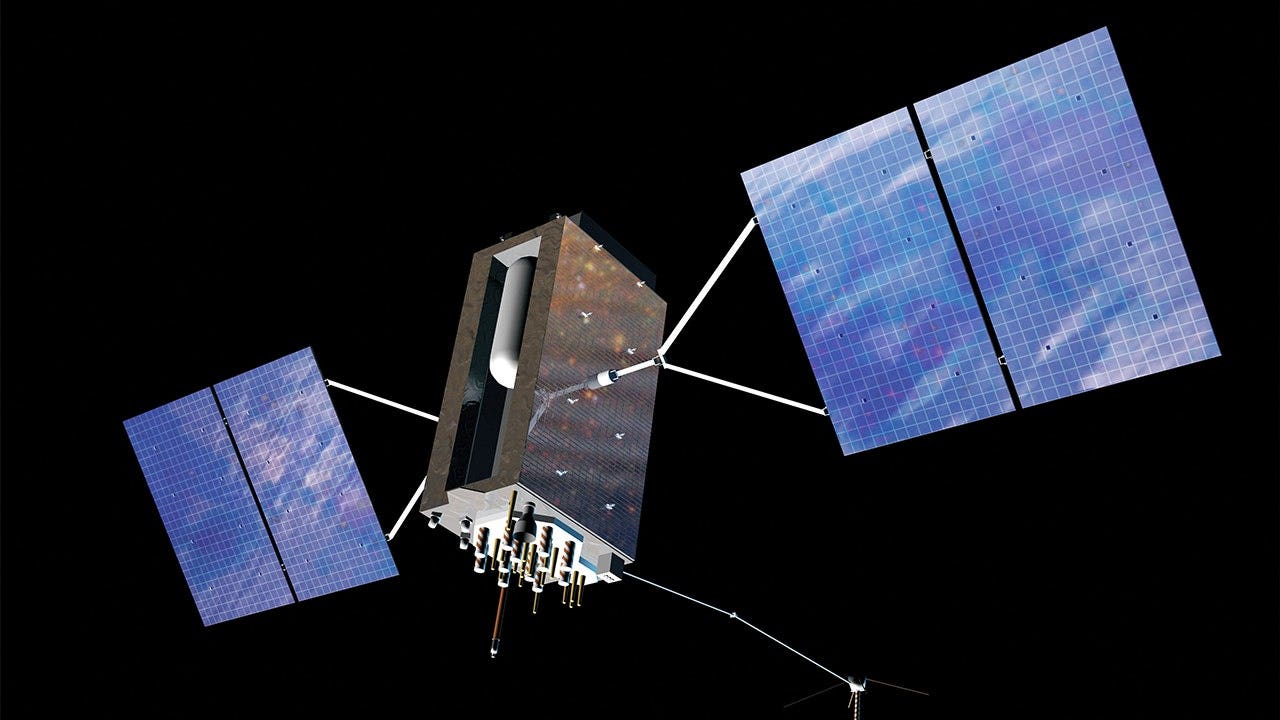
The U.S. military has acknowledged the existence of weapons in space, but the details remain classified. Air Force Secretary Troy Meink confirmed the Space Force has “on-orbit space control weapons” but refused to elaborate on their nature or deployment. This marks a rare public admission of capabilities that have largely been kept in the shadows. The Pentagon has historically been tight-lipped about its space-based weapons, and this disclosure appears to be a calculated move to signal strength without revealing too much.
The statement comes amid growing concerns about China and Russia developing their own space weapons. Meink emphasized the need to protect U.S. access to space, suggesting that the weapons are meant to deter potential adversaries. However, the lack of specifics has left many questions unanswered. Experts speculate that the weapons could range from jammers and lasers to kinetic systems capable of destroying satellites. The ambiguity is intentional, as revealing too much could undermine the strategic advantage the U.S. seeks to maintain.
Meink’s comments were made at the Air & Space Forces Association’s conference in Maryland, just outside Washington, D.C. The location is symbolic, as it underscores the political and military significance of space in national security. The event brought together officials and experts to discuss the future of space operations, with a focus on how the U.S. can maintain its dominance in the final frontier. The mention of China and Russia was not unexpected, as both nations have been actively developing their own space capabilities.
The U.S. has previously discussed space-based weapons, including plans for interceptors as part of the Golden Dome missile defense system. However, Meink’s statement goes further by confirming that such weapons are already in orbit. This suggests a shift in the military’s approach to space, moving from theoretical discussions to actual deployment. The decision to acknowledge the existence of these weapons publicly may be part of a broader strategy to deter potential adversaries and signal the U.S. commitment to space superiority.
Experts like Clayton Swope of the Center for Strategic and International Studies note that the U.S. is taking a new approach by openly discussing space weapons. This is a departure from past practices, where such information was closely guarded. The shift may reflect the growing importance of space in modern warfare, as well as the increasing threat posed by China and Russia. With both nations investing heavily in space capabilities, the U.S. is likely to continue developing its own to maintain a strategic edge.
Space as a Strategic Battleground
Space has become a key domain for military competition, with the U.S., China, and Russia all vying for dominance. The U.S. has long been a leader in space technology, but the rise of other nations has prompted a reevaluation of its strategy. The recent acknowledgment of on-orbit weapons signals a new phase in this competition, where space is no longer just a frontier for exploration but a critical battlefield. The U.S. is now taking steps to ensure it maintains control over this domain, even as it keeps the specifics of its capabilities hidden.
The decision to speak publicly about space weapons is significant, as it represents a shift in how the U.S. military communicates its strategy. Previously, such information was closely guarded, but the current administration appears to be more transparent. This may be a response to the growing threat posed by China and Russia, both of which have been developing their own space capabilities. By acknowledging the existence of its own weapons, the U.S. is sending a clear message to potential adversaries that it is prepared to defend its interests in space.
The lack of detail in Meink’s statement is intentional, as it allows the U.S. to maintain an element of surprise. Revealing too much could give adversaries an advantage, so the military is carefully balancing transparency with security. This approach is not new, but it is becoming more pronounced as the competition in space intensifies. The U.S. is likely to continue this strategy, using public statements to signal strength while keeping the specifics of its capabilities classified.
The implications of this shift are far-reaching. Space is no longer just a domain for scientific exploration or commercial activity; it is now a critical component of national security. The U.S. military relies heavily on space-based systems for communication, navigation, and intelligence, making it essential to maintain control over this domain. The recent acknowledgment of on-orbit weapons suggests that the U.S. is taking this threat seriously and is willing to invest in the necessary capabilities to protect its interests.
As the competition in space continues to evolve, the U.S. will need to remain vigilant and adaptive. The development of new technologies and the growing capabilities of other nations mean that the strategic landscape is constantly changing. The recent statement by Meink is just one step in a larger effort to ensure that the U.S. remains a dominant force in space. Whether this approach will be effective in the long term remains to be seen, but it is clear that space is now a central focus of national security strategy.
Strategic Ambiguity and Military Posturing
The U.S. military has always been cautious about revealing its capabilities, and the recent acknowledgment of on-orbit weapons is no exception. Air Force Secretary Troy Meink’s statement was carefully worded, avoiding specific details about the nature or deployment of the weapons. This approach is designed to maintain a strategic advantage by keeping adversaries guessing. The U.S. is not the only nation to adopt this tactic, as both China and Russia have also been known to obscure their own space capabilities. This pattern of secrecy and strategic ambiguity is a common feature of military posturing in high-stakes domains.
The decision to speak publicly about space weapons comes at a time of increasing competition in the space domain. China and Russia have both been investing heavily in their space programs, and their growing capabilities are seen as a potential threat to U.S. interests. By acknowledging the existence of its own weapons, the U.S. is sending a clear message that it is prepared to defend its position in space. This move may be intended to deter potential adversaries and signal the U.S. commitment to maintaining its dominance in this critical domain.
The lack of specificity in Meink’s statement is a deliberate choice, as it allows the U.S. to maintain an element of surprise. Revealing too much could give adversaries an advantage, so the military is carefully balancing transparency with security. This approach is not new, but it is becoming more pronounced as the competition in space intensifies. The U.S. is likely to continue this strategy, using public statements to signal strength while keeping the specifics of its capabilities classified.
The implications of this shift are far-reaching. Space is no longer just a domain for scientific exploration or commercial activity; it is now a critical component of national security. The U.S. military relies heavily on space-based systems for communication, navigation, and intelligence, making it essential to maintain control over this domain. The recent acknowledgment of on-orbit weapons suggests that the U.S. is taking this threat seriously and is willing to invest in the necessary capabilities to protect its interests.
As the competition in space continues to evolve, the U.S. will need to remain vigilant and adaptive. The development of new technologies and the growing capabilities of other nations mean that the strategic landscape is constantly changing. The recent statement by Meink is just one step in a larger effort to ensure that the U.S. remains a dominant force in space. Whether this approach will be effective in the long term remains to be seen, but it is clear that space is now a central focus of national security strategy.
Space as a New Frontier for Military Competition
The U.S. military has long recognized the strategic importance of space, but the recent acknowledgment of on-orbit weapons marks a significant shift in how it approaches this domain. Air Force Secretary Troy Meink’s statement confirms that the Space Force has capabilities designed to protect U.S. interests in space, but the details remain classified. This level of secrecy is not unusual, as military operations often involve a balance between transparency and security. The U.S. is not alone in this approach, as both China and Russia have also been developing their own space capabilities, often with limited public information.
The decision to speak publicly about space weapons comes at a time of increasing competition in the space domain. China and Russia have both been investing heavily in their space programs, and their growing capabilities are seen as a potential threat to U.S. interests. By acknowledging the existence of its own weapons, the U.S. is sending a clear message that it is prepared to defend its position in space. This move may be intended to deter potential adversaries and signal the U.S. commitment to maintaining its dominance in this critical domain.
The lack of specificity in Meink’s statement is a deliberate choice, as it allows the U.S. to maintain an element of surprise. Revealing too much could give adversaries an advantage, so the military is carefully balancing transparency with security. This approach is not new, but it is becoming more pronounced as the competition in space intensifies. The U.S. is likely to continue this strategy, using public statements to signal strength while keeping the specifics of its capabilities classified.
The implications of this shift are far-reaching. Space is no longer just a domain for scientific exploration or commercial activity; it is now a critical component of national security. The U.S. military relies heavily on space-based systems for communication, navigation, and intelligence, making it essential to maintain control over this domain. The recent acknowledgment of on-orbit weapons suggests that the U.S. is taking this threat seriously and is willing to invest in the necessary capabilities to protect its interests.
As the competition in space continues to evolve, the U.S. will need to remain vigilant and adaptive. The development of new technologies and the growing capabilities of other nations mean that the strategic landscape is constantly changing. The recent statement by Meink is just one step in a larger effort to ensure that the U.S. remains a dominant force in space. Whether this approach will be effective in the long term remains to be seen, but it is clear that space is now a central focus of national security strategy.
The Role of Secrecy in Space Strategy
Secrecy has long been a hallmark of military strategy, and the U.S. approach to space weapons is no exception. Air Force Secretary Troy Meink’s statement about on-orbit space control weapons was carefully worded, avoiding specific details about the nature or deployment of the weapons. This level of ambiguity is a deliberate strategy, designed to maintain a strategic advantage by keeping adversaries in the dark. The U.S. is not the only nation to adopt this approach, as both China and Russia have also been known to obscure their own space capabilities. This pattern of secrecy is a common feature of military posturing in high-stakes domains.
The decision to speak publicly about space weapons comes at a time of increasing competition in the space domain. China and Russia have both been investing heavily in their space programs, and their growing capabilities are seen as a potential threat to U.S. interests. By acknowledging the existence of its own weapons, the U.S. is sending a clear message that it is prepared to defend its position in space. This move may be intended to deter potential adversaries and signal the U.S. commitment to maintaining its dominance in this critical domain.
The lack of specificity in Meink’s statement is a deliberate choice, as it allows the U.S. to maintain an element of surprise. Revealing too much could give adversaries an advantage, so the military is carefully balancing transparency with security. This approach is not new, but it is becoming more pronounced as the competition in space intensifies. The U.S. is likely to continue this strategy, using public statements to signal strength while keeping the specifics of its capabilities classified.
The implications of this shift are far-reaching. Space is no longer just a domain for scientific exploration or commercial activity; it is now a critical component of national security. The U.S. military relies heavily on space-based systems for communication, navigation, and intelligence, making it essential to maintain control over this domain. The recent acknowledgment of on-orbit weapons suggests that the U.S. is taking this threat seriously and is willing to invest in the necessary capabilities to protect its interests.
As the competition in space continues to evolve, the U.S. will need to remain vigilant and adaptive. The development of new technologies and the growing capabilities of other nations mean that the strategic landscape is constantly changing. The recent statement by Meink is just one step in a larger effort to ensure that the U.S. remains a dominant force in space. Whether this approach will be effective in the long term remains to be seen, but it is clear that space is now a central focus of national security strategy.