Source: Fortune
Summary
Kevin Warsh, the Federal Reserve’s new governor, faced a delicate balancing act during a recent rate hike decision. The S&P 500 initially dropped but later recovered, with the Nasdaq rising 1.6% and the Dow adding 0.4%. President Trump criticized Warsh, claiming the Fed was “very hostile” and “very political.” Warsh defended the rate hike, stating inflation was too high. The 10-year Treasury yield fell after the decision, signaling market confidence. Oil prices also dropped, easing inflation concerns.
Our Reading
The numbers tell one story.
Warsh walked a tightrope between dovish and hawkish.
The market reacted sharply but quickly reversed.
Trump called the Fed “hostile” and “political.”
Warsh defended the hike, but the president remained unimpressed.
The bond market and oil prices helped calm the situation.
Author: Evan Null
Kevin Warsh’s Tightrope Walk
Kevin Warsh had to carefully navigate his position as a new Federal Reserve governor. His recent rate hike decision put him in a tough spot. He needed to maintain credibility with the bond market while not causing too much disruption in the stock market. The initial reaction was negative, with the S&P 500 dropping to its lowest close since July. But the market quickly bounced back, showing that investors were not too concerned.
Trump’s Disapproval
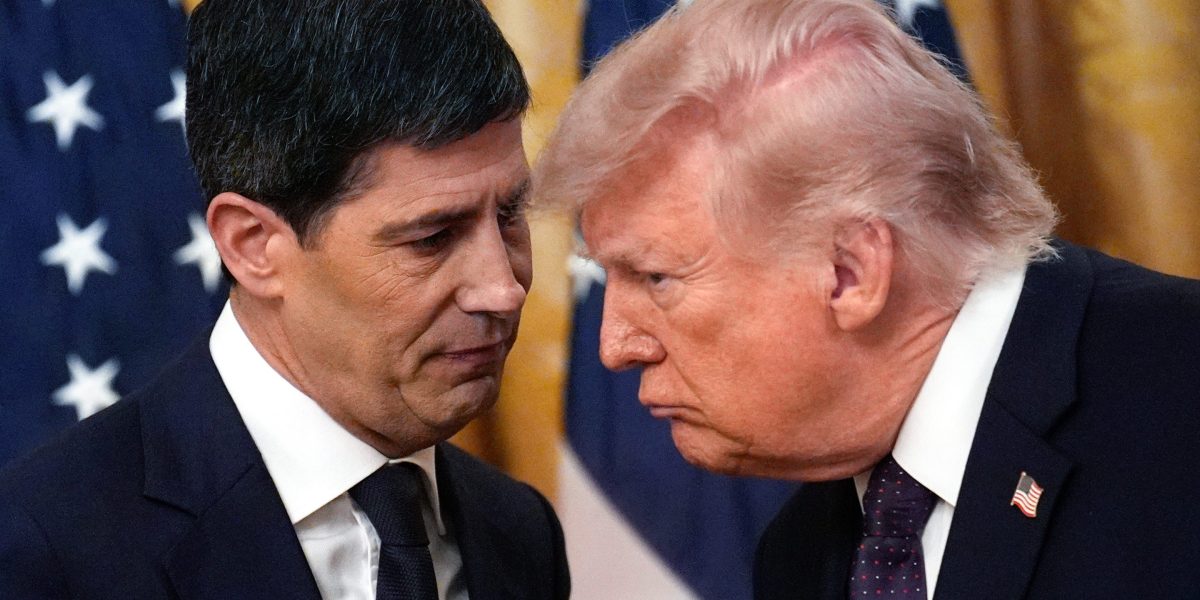
President Trump was not happy with Warsh’s decision. He claimed the Fed was “very hostile” and “very political.” Trump even suggested that Warsh should have voted with the board, despite his own criticisms of the Fed. This tension between Warsh and Trump highlights the political nature of central banking decisions. Trump’s public criticism of the Fed is not new, as he has often criticized former Fed Chair Jerome Powell for not cutting rates fast enough.
Market Reactions
The stock market showed mixed reactions to the rate hike. The Nasdaq rallied over 400 points, or 1.6%, while the S&P gained more than 1%. The Dow added 224 points, or 0.4%, after a sharp drop the previous day. These movements suggest that investors were not overly concerned about the rate hike. The bond market also reacted positively, with the 10-year Treasury yield falling after the decision.
Oil Prices and Inflation
Oil prices also played a role in the market’s response. U.S. crude fell about 1%, easing inflation concerns. Cheaper oil can lead to lower inflation, which in turn can reduce the need for further rate hikes. This helped to calm investor fears and contributed to the stock market’s recovery. The drop in oil prices also supported Warsh’s argument that the labor market was strong enough to handle the rate hike.
Global Central Bank Actions
Warsh was not alone in his decision. The European Central Bank had recently hiked rates for the second time this year, and the Bank of Japan was expected to follow suit. The Bank of England also warned that a rate hike was increasingly likely. These global actions show that central banks around the world are taking similar steps to combat inflation. Warsh’s decision fit into this broader trend of tightening monetary policy.