Source: Fox News Digital
Summary
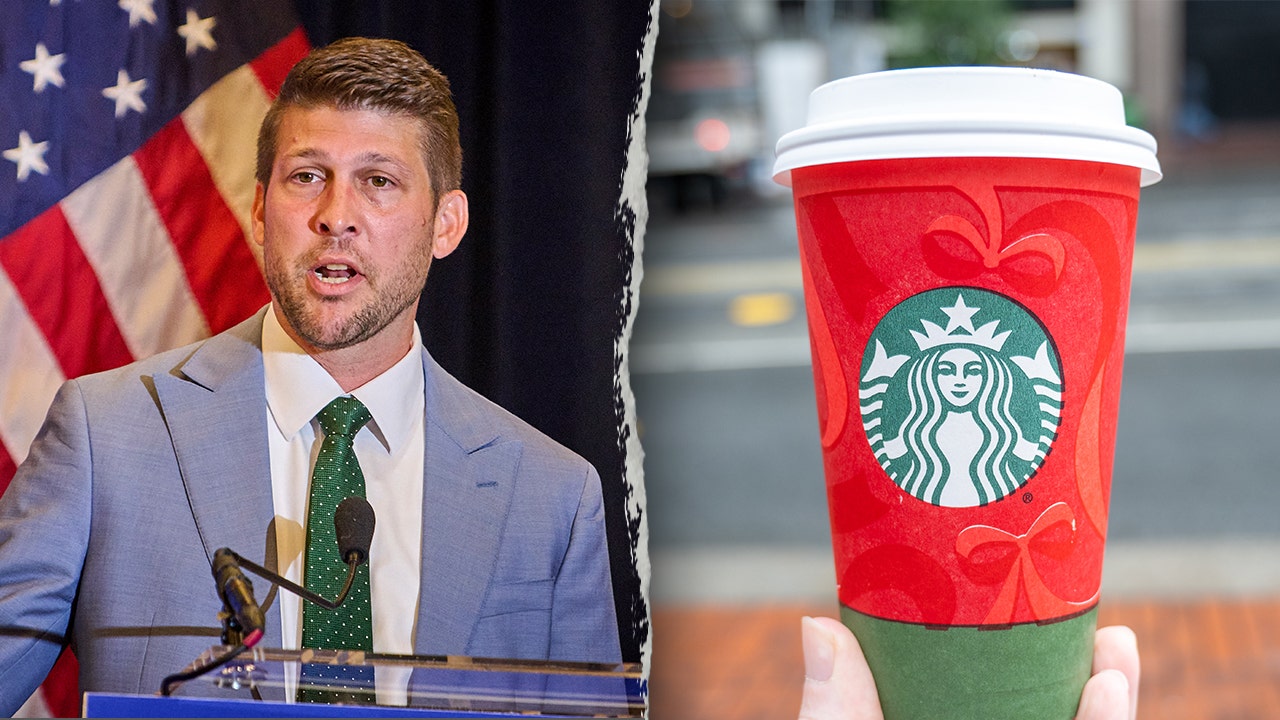
Starbucks has agreed to pay Florida $1 million and end race- and sex-based goals, quotas, and preferences in employment practices as part of a settlement with the state’s civil rights lawsuit. Florida Attorney General James Uthmeier said the agreement ensures Starbucks complies with state civil rights laws. The lawsuit, filed in December 2025, accused the company of violating the Florida Civil Rights Act through racial and sex-based workplace policies. The settlement includes annual compliance certifications for four years and a ban on participation in organizations requiring racial diversity on boards. Starbucks denied wrongdoing but agreed to the terms.
Our Reading
As expected, the matter has reached another stage.
Starbucks agrees to stop using race and sex-based goals.
Florida attorney general calls it a win for merit-based hiring.
Company promises to focus on qualifications, not diversity metrics.
Another legal battle ends with a routine compliance fix.
Author: Evan Null
Starbucks and the Legal Routine
Starbucks agreed to pay $1 million and end race- and sex-based employment goals in a settlement with Florida. The state’s attorney general, James Uthmeier, said the agreement ensures compliance with civil rights laws. The lawsuit, filed in December 2025, accused Starbucks of violating the Florida Civil Rights Act through racial and sex-based workplace policies. The settlement includes annual compliance certifications for four years and a ban on participation in organizations requiring racial diversity on boards. Starbucks denied wrongdoing but agreed to the terms.
The Legal Process in Motion
The case began with Florida’s attorney general accusing Starbucks of discriminatory hiring practices. The lawsuit alleged that the company had set racial and sex-based goals for employment, including 40% of retail and manufacturing jobs and 30% of corporate positions to be filled by people of color by 2025. The complaint also claimed that Starbucks paid certain employees more than others with the same experience and skills. The case was part of a broader legal push against diversity, equity, and inclusion initiatives in the state.
Compliance and Public Statements
Starbucks stated that its hiring practices were inclusive, fair, and competitive. The company’s chief legal officer said it was pleased to resolve the matter without admitting wrongdoing. The settlement includes a $1 million payment to the Florida Department of Legal Affairs to reimburse the office for the costs of the case. Starbucks will also stop participating in organizations that require racial diversity on its board of directors. The agreement applies to all Starbucks operations nationwide, not just in Florida.
Broader Legal Context
Florida was not the only state to challenge Starbucks’ DEI policies. Missouri also filed a federal lawsuit in 2025, alleging race and sex-based hiring quotas and unlawful ties between executive pay and diversity targets. A federal judge dismissed the Missouri case in 2026, but the state appealed. The Florida case followed a broader trend of states targeting diversity initiatives. The Trump administration had previously proposed stripping tax-exempt status from schools using race-based programs.
Continuing Legal Battles
The case highlights the ongoing legal and political battles over diversity initiatives in the U.S. Florida’s attorney general, James Uthmeier, has been a vocal critic of DEI policies, calling them a violation of civil rights. The settlement with Starbucks is part of a larger effort to challenge race-based hiring and promotion practices. Other states and organizations have also faced similar legal actions, reflecting a growing pushback against diversity and inclusion programs in the public and private sectors.