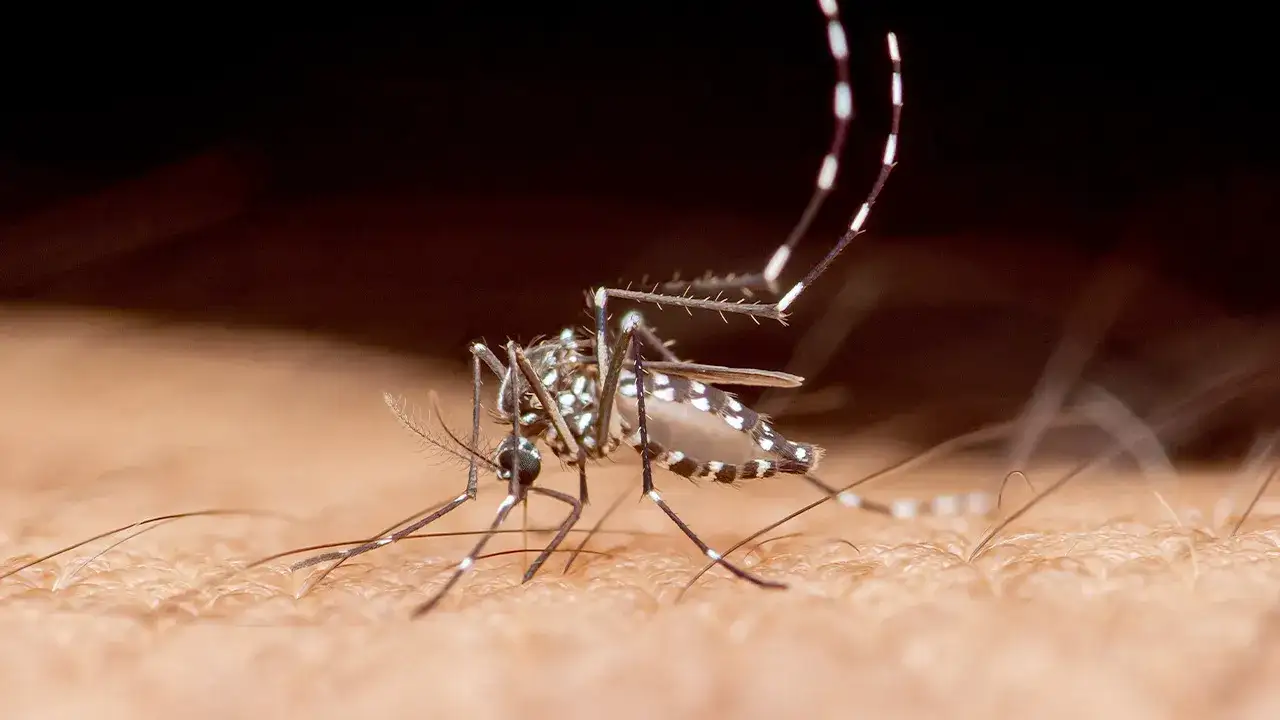
Source: Tampa Bay Times
Summary
The Florida Department of Health confirmed the first dengue fever death of 2026, involving 80-year-old Gay Small from Hillsborough County. She died from complications including septic shock and multi-organ failure after being bitten by a mosquito near her home. Her family said she had likely been infected years ago while traveling but did not know it. The death marks the first in the Tampa Bay area in nearly a century, according to the Tampa Bay Times. Florida has seen an increase in locally acquired dengue cases, with Hillsborough County at the epicenter. Mosquito control agencies have increased surveillance and spraying efforts.
Our Reading
This guidance has been heard before.
Dengue deaths are rare but possible.
Local outbreaks are growing.
Prevention is key, but not always enough.
The virus moves with people, not borders.
Author: Evan Null
Florida’s First Dengue Death of 2026
Florida recorded its first confirmed dengue fever death of 2026, involving 80-year-old Gay Small from Hillsborough County. She died from complications including septic shock and multi-organ failure after being bitten by a mosquito near her home on Bayshore Boulevard. The Florida Department of Health confirmed the death after completing its investigation, but did not release additional information.
Small’s family said they believe she first caught dengue years ago while traveling abroad but didn’t know it. People who have had dengue before are much more likely to develop severe symptoms. Small’s late husband, Bob Small, spent his career working on dengue vaccines, according to the couple’s daughter.
The Tampa Bay Times reported that a dengue death had not been recorded in the Tampa Bay area in nearly a century. Since July, Florida has been experiencing an unprecedented outbreak of locally caught cases, with Hillsborough County at the epicenter. Hillsborough and Pinellas counties are under mosquito-borne illness alerts issued by the Florida Department of Health.
Florida mosquito-control agencies have stepped up surveillance, inspections, and spraying as locally acquired dengue fever cases have climbed in recent weeks. The increased application of insecticide and larvicide by helicopters appears to be working, as of the last 1,500 mosquitoes tested, all have returned negative for dengue.
The Florida Mosquito Control Association is urging residents to empty or cover standing water around their homes. The mosquito that spreads dengue is a container breeder, meaning it lays eggs in buckets, planters, plant saucers, tires, discarded toys, and other objects that collect small amounts of water, experts say.