Source: Fox News
Summary
Federal charges allege that millions in Los Angeles homelessness funds were misused, including for a nightclub and luxury cars. Rep. Michael Cloud, R-Texas, criticized the system for rewarding spending over results. He argued that programs often fail to help people become independent, instead creating dependency. Federal prosecutors charged three defendants in separate fraud cases. Cloud said the broader issue is how programs are measured and funded. HUD suspended LAHSA over financial management concerns, while the agency challenges the decision in court. The new funding will focus on treatment and recovery, with measures to prevent fraud.
Our Reading
As expected, the matter has reached another stage.
Rep. Cloud says the programs reward spending over results.
Federal prosecutors charge three in homelessness-fraud cases.
LAHSA faces court challenges after being suspended by HUD.
The new funding aims to prevent fraud while focusing on recovery.
It’s a cycle of oversight, spending, and blame, all wrapped in the language of reform.
Author: Evan Null
Los Angeles Homelessness Programs Under Scrutiny
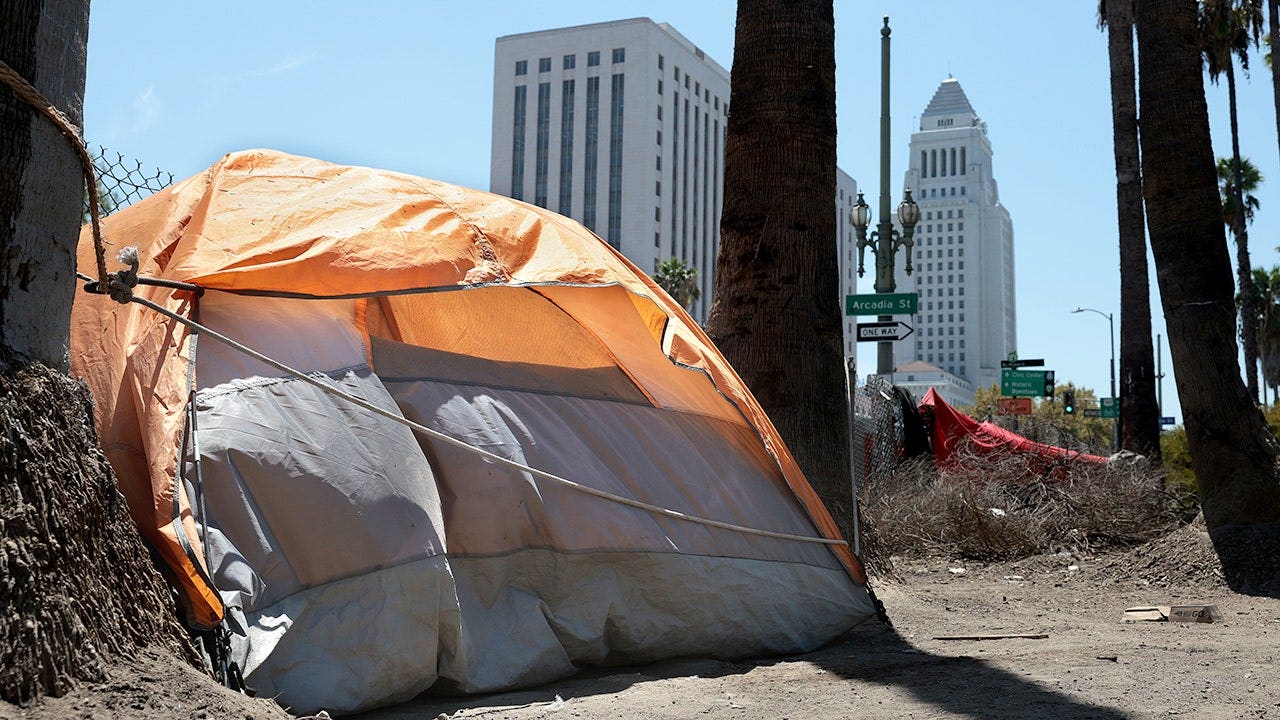
Federal charges against Los Angeles homelessness programs have drawn attention to the misuse of taxpayer funds. Three defendants were charged in separate fraud cases, including allegations of spending money on a nightclub and luxury cars. The cases highlight concerns about how federal funds are managed and whether they truly help the homeless population.
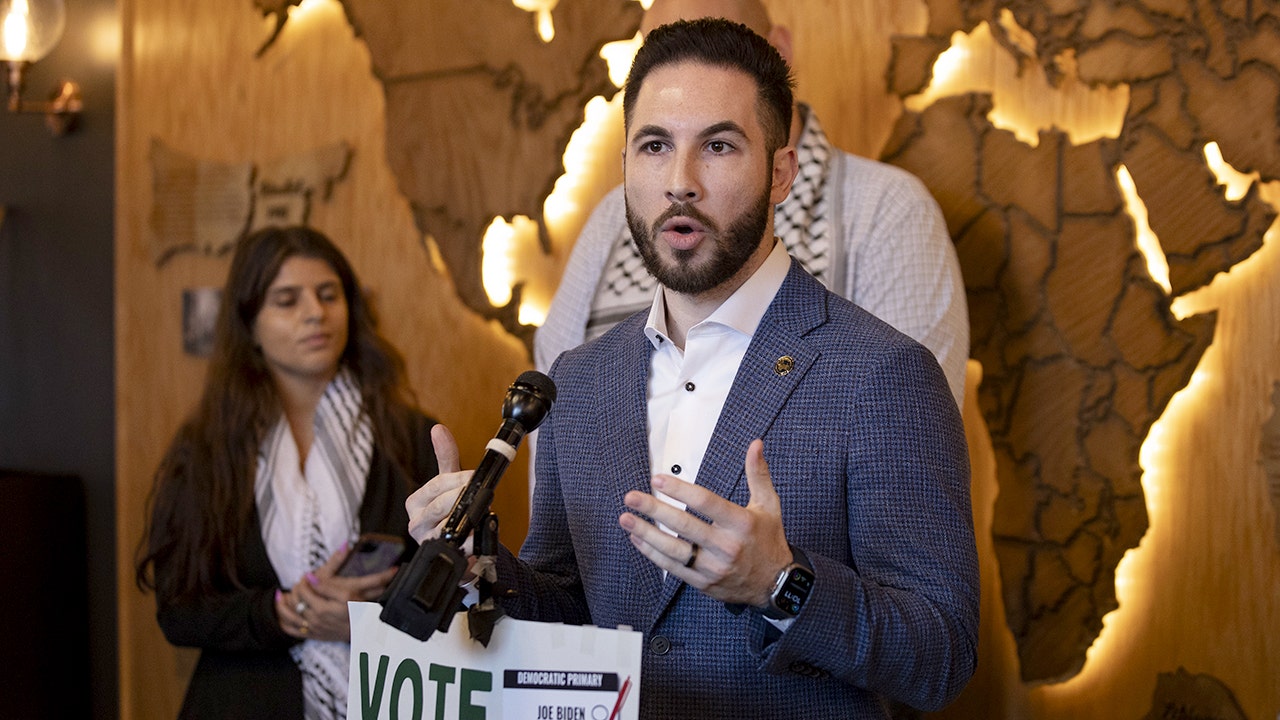
Rep. Michael Cloud, R-Texas, has criticized the system, arguing that programs often fail to provide lasting solutions. He claims that the focus on spending rather than outcomes creates a cycle of dependency. Cloud also pointed to the broader issue of how homelessness programs are funded and measured, suggesting that the current system incentivizes fraud.
HUD has suspended LAHSA, the local homelessness agency, over financial management concerns. The agency has challenged the decision in court, arguing that the suspension is unwarranted. The controversy underscores the tension between federal oversight and local implementation of homelessness programs.
The new federal funding for homelessness programs includes measures to prevent fraud and focus on treatment and recovery. This shift reflects a growing concern about how taxpayer dollars are spent and whether they lead to meaningful outcomes for the homeless population.
As the debate continues, the focus remains on how to effectively use federal funds to address homelessness while ensuring accountability and transparency. The cases in Los Angeles are part of a larger national conversation about the effectiveness of homelessness programs and the need for reform.
Political Responses to Homelessness Funding Issues
Rep. Michael Cloud has been vocal about the misuse of federal funds in Los Angeles homelessness programs. He argues that the current system rewards spending over results, leading to a cycle of dependency. Cloud has called for reforms that prioritize oversight and accountability, suggesting that the current incentives encourage fraud.
His concerns are echoed by other lawmakers who have raised questions about how federal funds are allocated and managed. The recent charges against three defendants in Los Angeles highlight the need for greater transparency and accountability in how taxpayer money is spent. Cloud has urged Congress to take action to address these issues.
The debate over homelessness funding has also extended to other states, with some lawmakers criticizing the lack of oversight in how federal funds are used. Cloud has pointed to the “Housing First” approach as a flawed strategy that prioritizes placement over long-term solutions. He argues that this approach has failed to reduce homelessness and has instead created a system that benefits program administrators more than the homeless population.
As the political discourse continues, the focus remains on how to effectively use federal funds to address homelessness while ensuring that taxpayer dollars are spent wisely. The cases in Los Angeles are part of a broader national conversation about the need for reform and greater accountability in how homelessness programs are funded and managed.
The recent actions by HUD, including the suspension of LAHSA, have further intensified the debate. While the agency has challenged the decision in court, the controversy highlights the challenges of balancing federal oversight with local implementation of homelessness programs. The outcome of these legal battles will likely shape the future of how federal funds are used to address homelessness in Los Angeles and beyond.
Impact of Federal Oversight on Homelessness Programs
The suspension of LAHSA by HUD has sparked a legal battle over the agency’s financial management and oversight. The federal agency cited concerns about internal controls and conflicts of interest, leading to the decision to suspend the agency. LAHSA has contested the suspension, arguing that the decision is based on flawed reasoning and lacks sufficient evidence.
The controversy highlights the challenges of federal oversight in local homelessness programs. While HUD aims to ensure that taxpayer funds are used effectively, local agencies often argue that the federal government is overreaching and not fully understanding the complexities of local implementation. This tension between federal and local interests is a recurring theme in the management of homelessness programs.
The new federal funding for homelessness programs includes measures to prevent fraud and ensure that taxpayer dollars are spent wisely. This shift reflects a growing concern about how federal funds are used and whether they lead to meaningful outcomes for the homeless population. The focus on accountability and oversight is likely to shape the future of how these programs are funded and managed.
As the legal battle over LAHSA continues, the debate over the effectiveness of federal oversight in homelessness programs remains unresolved. The outcome of these cases will have significant implications for how federal funds are allocated and managed in the future. The challenge lies in finding a balance between ensuring accountability and allowing local agencies the flexibility they need to address the unique needs of their communities.
The recent developments in Los Angeles are part of a broader national conversation about the need for reform in how homelessness programs are funded and managed. The focus on transparency, accountability, and effectiveness is likely to shape the future of these programs, both in Los Angeles and across the country.
Challenges in Measuring Homelessness Program Success
One of the key challenges in addressing homelessness is how to measure the success of programs. Rep. Michael Cloud has criticized the current system for rewarding spending over results, arguing that the focus on program activity rather than long-term outcomes creates a cycle of dependency. This approach, he says, benefits program administrators more than the homeless population.
The debate over how to measure success in homelessness programs is not unique to Los Angeles. It reflects a broader national conversation about the effectiveness of federal funding and the need for better accountability. Critics argue that the current system incentivizes fraud and mismanagement, while supporters maintain that the focus on spending is necessary to ensure that programs are adequately funded.
The “Housing First” approach, which prioritizes placing homeless individuals in housing without immediate requirements for sobriety or treatment, has been a point of contention. While some argue that this approach is more compassionate and effective, others claim that it fails to address the root causes of homelessness and leads to a cycle of dependency. The debate over this approach highlights the complexity of addressing homelessness and the need for a more comprehensive strategy.
The recent federal funding for homelessness programs includes measures to prevent fraud and ensure that taxpayer dollars are spent wisely. This shift reflects a growing concern about how federal funds are used and whether they lead to meaningful outcomes for the homeless population. The focus on accountability and oversight is likely to shape the future of how these programs are funded and managed.
As the political discourse continues, the challenge remains in finding a balance between ensuring accountability and allowing local agencies the flexibility they need to address the unique needs of their communities. The outcome of these debates will have significant implications for how homelessness programs are funded and managed in the future.
Broader Implications of Homelessness Funding Controversies
The controversies surrounding homelessness funding in Los Angeles have broader implications for how federal funds are managed across the country. The recent charges against three defendants in separate fraud cases highlight the need for greater transparency and accountability in how taxpayer money is spent. These cases have drawn attention to the potential for misuse and the importance of oversight in ensuring that funds are used effectively.
Rep. Michael Cloud has argued that the current system incentivizes fraud and mismanagement, suggesting that the focus on spending over results creates a cycle of dependency. His concerns are echoed by other lawmakers who have raised questions about how federal funds are allocated and managed. The debate over these issues reflects a growing concern about the effectiveness of federal funding in addressing homelessness.
The suspension of LAHSA by HUD has further intensified the debate over federal oversight in local homelessness programs. While the agency has challenged the decision in court, the controversy highlights the challenges of balancing federal oversight with local implementation. The outcome of these legal battles will likely shape the future of how federal funds are used to address homelessness in Los Angeles and beyond.
The new federal funding for homelessness programs includes measures to prevent fraud and ensure that taxpayer dollars are spent wisely. This shift reflects a growing concern about how federal funds are used and whether they lead to meaningful outcomes for the homeless population. The focus on accountability and oversight is likely to shape the future of how these programs are funded and managed.
As the political discourse continues, the challenge remains in finding a balance between ensuring accountability and allowing local agencies the flexibility they need to address the unique needs of their communities. The outcome of these debates will have significant implications for how homelessness programs are funded and managed in the future.